
Severus Snape: profile of a complex character from the Harry Potter series
An encyclopedic overview of Severus Snape: his role, personality, background, major actions and legacy in J.K. Rowling’s Harry Potter stories and their film adaptations.
Overview
Severus Snape is a central character in J.K. Rowling's Harry Potter series. Introduced as the hostile Potions Master at Hogwarts, he is initially portrayed as an antagonist to the protagonist, but his true motives and loyalties are revealed gradually. Snape is associated with Slytherin House and has a long, complex history with both Voldemort’s followers and Albus Dumbledore. In the film adaptations, the character is portrayed by Alan Rickman across multiple installments, a casting that shaped public perception of the role and is often noted in discussions of the character.
Image gallery
3 Images
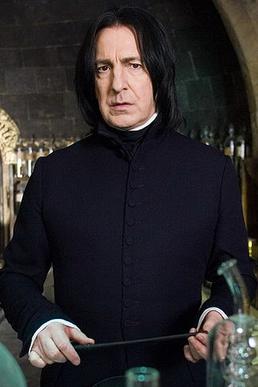

Character and appearance
Snape is described in the books as gaunt and sallow-faced, with lank black hair and a hooked nose. His manner is cold, sarcastic and often cruel toward students, especially Harry Potter. He speaks in a deliberate, cutting way and usually wears long black robes, reinforcing a severe public persona. Professionally he is a gifted potion-maker and an inventive, if secretive, practitioner of magic: an alias from his youth, the "Half-Blood Prince," signals both his parentage and earlier exploits in magical innovation.
Background and development
Born to a witch mother and a Muggle father, Snape’s early life included friendship with Lily Evans, who later became Lily Potter. He fell in love with her, and that love shaped many of his later choices. As a young man he joined the Death Eaters but turned to Albus Dumbledore when he learned that Voldemort intended to target James and Lily Potter. After Lily’s death, Snape devoted himself to protecting her son, Harry, working as a double agent at great personal risk.
Over the series Snape’s career at Hogwarts evolves: he serves for many years as Potions Master, later becomes Defence Against the Dark Arts professor, and ultimately assumes the position of Headmaster. A pivotal moment occurs in the sixth book when Snape kills Dumbledore — an act later revealed to have been carried out at Dumbledore’s own request as part of a larger plan to protect others and secure Snape’s cover within Voldemort’s ranks.
Actions, revelations and legacy
Snape’s secrecy is central to the plot. He gathers and guards information that is only disclosed after his death, when a set of memories shown to Harry in a Pensieve expose Snape’s motivations and sacrifices. These revelations explain his sometimes brutal behavior toward Harry as rooted in a complicated mix of guilt, resentment toward Harry’s father, and a lifelong love for Lily. He also inadvertently exposes the lycanthropy of Remus Lupin during an earlier book, a moment that illustrates both his candor and lack of tact in front of students and staff (Remus Lupin).
Snape’s end comes amid the war against Voldemort: he dies while still keeping crucial secrets intact, and his last bequests — memories and other final instructions — change how Harry and others understand the past. Harry later honors Snape’s memory by naming one of his children after him and acknowledging Snape’s bravery and complexity.
Roles, skills and notable facts
- Teaching positions: Potions Master, Defence Against the Dark Arts professor, and Headmaster at Hogwarts.
- Former Death Eater who became a double agent for Dumbledore, motivated by love and remorse.
- Known in his youth as the "Half-Blood Prince," a name associated with inventiveness in potion-making and the creation of spells and annotations.
- Patronus and symbolic elements: his Patronus, revealed later, echoes Lily Potter’s and underscores his enduring affection for her.
- Notable public actions include informing on students or colleagues when it served his aims; privately he undertook dangerous tasks for the wider fight against Voldemort.
Reception and cultural impact
Snape is widely discussed as an example of moral ambiguity in modern popular fiction. Readers and critics debate whether his acts constitute redemption, whether his motivations absolve his cruelty, and how love, loyalty and guilt can coexist within a single figure. The character’s portrayal in the cinematic series (the Harry Potter films) by Alan Rickman has been influential, and references to Snape appear frequently in analyses of character complexity. He also features in fan works, academic commentary, and popular lists of memorable literary figures for his tragic and contradictory qualities.
For further reading and primary sources, consult official editions of the Harry Potter books and materials about Hogwarts and its faculty (Hogwarts). Biographical aspects and canonical events involving other characters are frequently cross-referenced, such as Snape’s connections to the Death Eaters (Death Eaters), his interactions with Albus Dumbledore, and later references in the story to characters like Ginny Weasley who participate in the post-war generation’s memory of him.
Severus Snape remains one of the most discussed figures from the series: a character whose outward harshness and covert protection provoke ongoing reflection about motives, punishment and the possibility of atonement in literature for young readers and adults alike.
Related articles
Author
AlegsaOnline.com Severus Snape: profile of a complex character from the Harry Potter series Leandro Alegsa
URL: https://en.alegsaonline.com/art/89229