
Serse (Xerxes) — opera by George Frideric Handel
Serse (Xerxes) is an opera seria in three acts by George Frideric Handel to an Italian libretto by Silvio Stampiglia, notable for the aria 'Ombra mai fu' and an unusual blend of serious and comic elements.
Serse (Italian for Xerxes) is an opera in three acts composed by George Frideric Handel to an Italian libretto by Silvio Stampiglia. Premiered in London in April 1738, the work is often classified within the opera seria tradition but departs from many of that genre's conventions. Its mixture of shorter arias, occasional ensembles and moments of light comedy gives Serse a distinctive tonal variety compared with Handel's earlier, more formal operas.
Image gallery
9 Images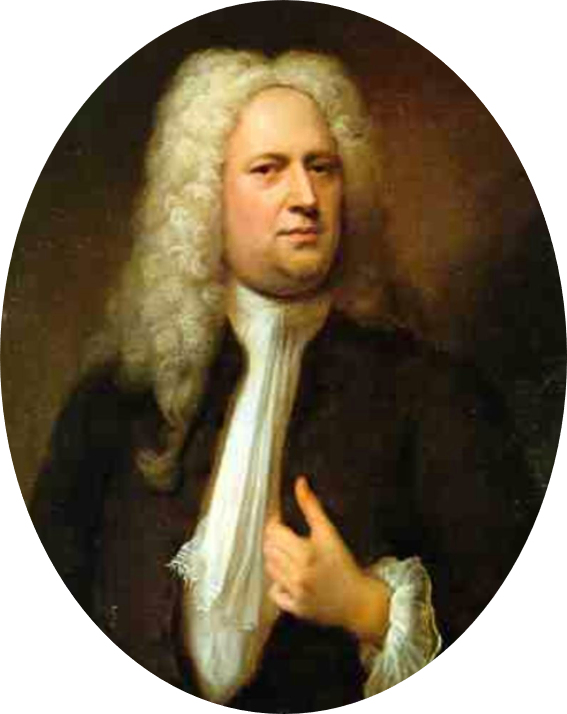


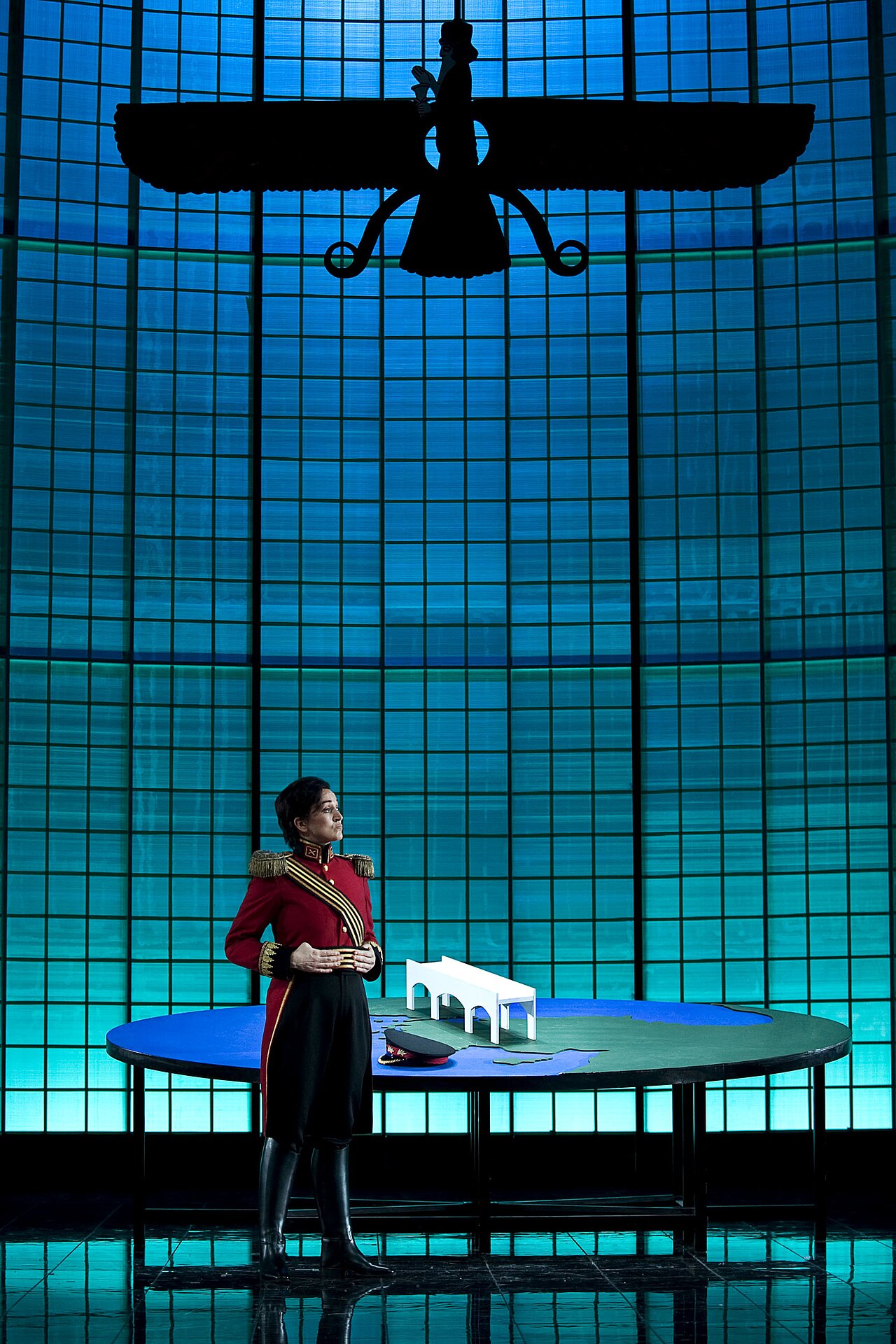


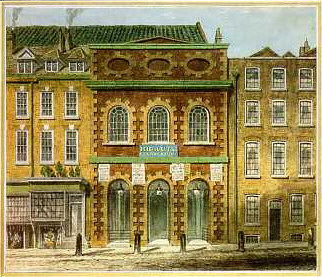
Structure and musical character
Serse is written in three acts and features frequent instrumental color, lyrical arias and concise dramatic scenes. Rather than relying exclusively on long da capo arias, Handel uses varied forms and tempi, and at times integrates chorus and orchestral passages to shape the drama. The scoring highlights winds and strings in expressive solos and accompaniments that support intimate vocal lines and broader ceremonial music alike.
Principal characters
- Serse (Xerxes), the Persian king
- Romilda, his love interest
- Arsamene, a nobleman and rival
- Amastre and various attendants
History and reception
The first performances in London in 1738 met with limited success and the run closed after only a few nights. Contemporary tastes in London were changing and the opera's innovative mix of moods was not immediately embraced. From the 19th century into the early 20th, Serse was rarely staged, but a revival of interest in Baroque performance practice led to increasingly frequent productions and recordings from the mid-20th century onward.
Notable music and legacy
Serse contains the aria "Ombra mai fu," a short, lyrical air for the king that has become one of Handel's best known melodies. Commonly referred to in recital and recording contexts as "Handel's Largo," the piece is often performed independently of the opera. Modern directors treat Serse variously as a tragicomedy, a pastoral drama or a study in courtly manners, and the work is admired today for its melodic grace and inventive dramatic pacing.
For further reading on the opera form and Handel's life see reputable overviews of opera seria and biographies of Handel. Recordings and performances that highlight the aria "Ombra mai fu" illustrate the work's enduring appeal and its place in the concert repertory.
Related articles
Author
AlegsaOnline.com Serse (Xerxes) — opera by George Frideric Handel Leandro Alegsa
URL: https://en.alegsaonline.com/art/89104