
Seven Deadly Sins (Cardinal Sins in Christian Tradition)
A concise account of the seven deadly sins: their meanings, historical origins in Christian thought, role in theology and art, and their lasting cultural influence.
The seven deadly sins, often called the cardinal sins, are a traditional grouping of vices in Christian moral teaching. They are not enumerated as a formal list in the Bible itself (see source), but developed in early Christian reflection as categories of harmful dispositions that give rise to other immoral acts. The list commonly used today includes seven types of vice that were contrasted with the Christian virtues.
Image gallery
10 Images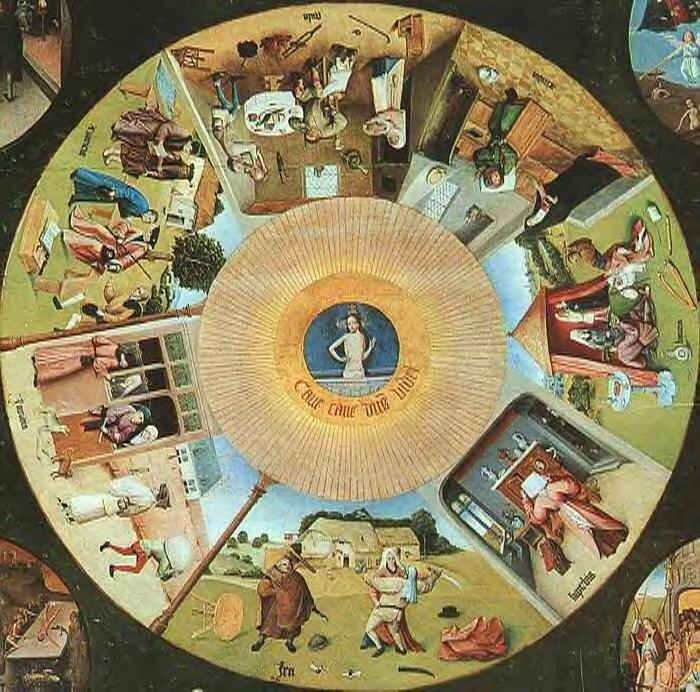





Names and brief definitions
- Pride — excessive self-regard or arrogance.
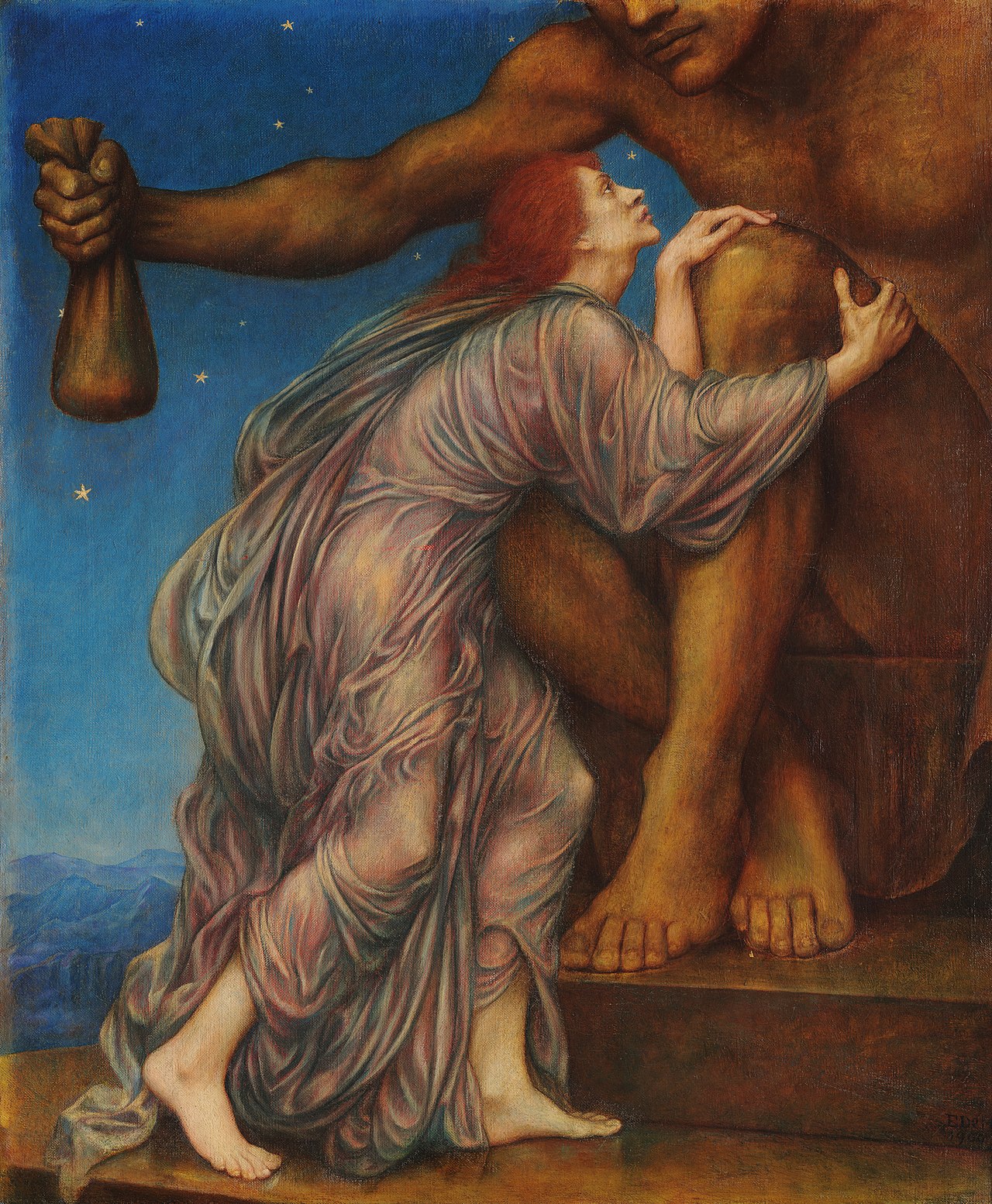
- Greed — an inordinate desire for wealth or possessions.
- Wrath — uncontrolled anger and desire for revenge.
- Envy — resentment at another's good fortune.
- Lust — disordered or excessive sexual desire.
- Gluttony — overindulgence in food or drink.
- Sloth — spiritual or physical laziness and apathy.
Origins and theological development
Ideas that led to this grouping trace back to the Desert Fathers of the early centuries of Christianity, who spoke of principal evil thoughts. Later writers, notably the 6th-century Pope Gregory I and medieval theologians such as Thomas Aquinas, shaped the list and its moral interpretation. Over time the seven became a standard teaching tool to identify root vices that foster other sins and to encourage cultivation of opposing virtues.
Role in art, literature and ethics
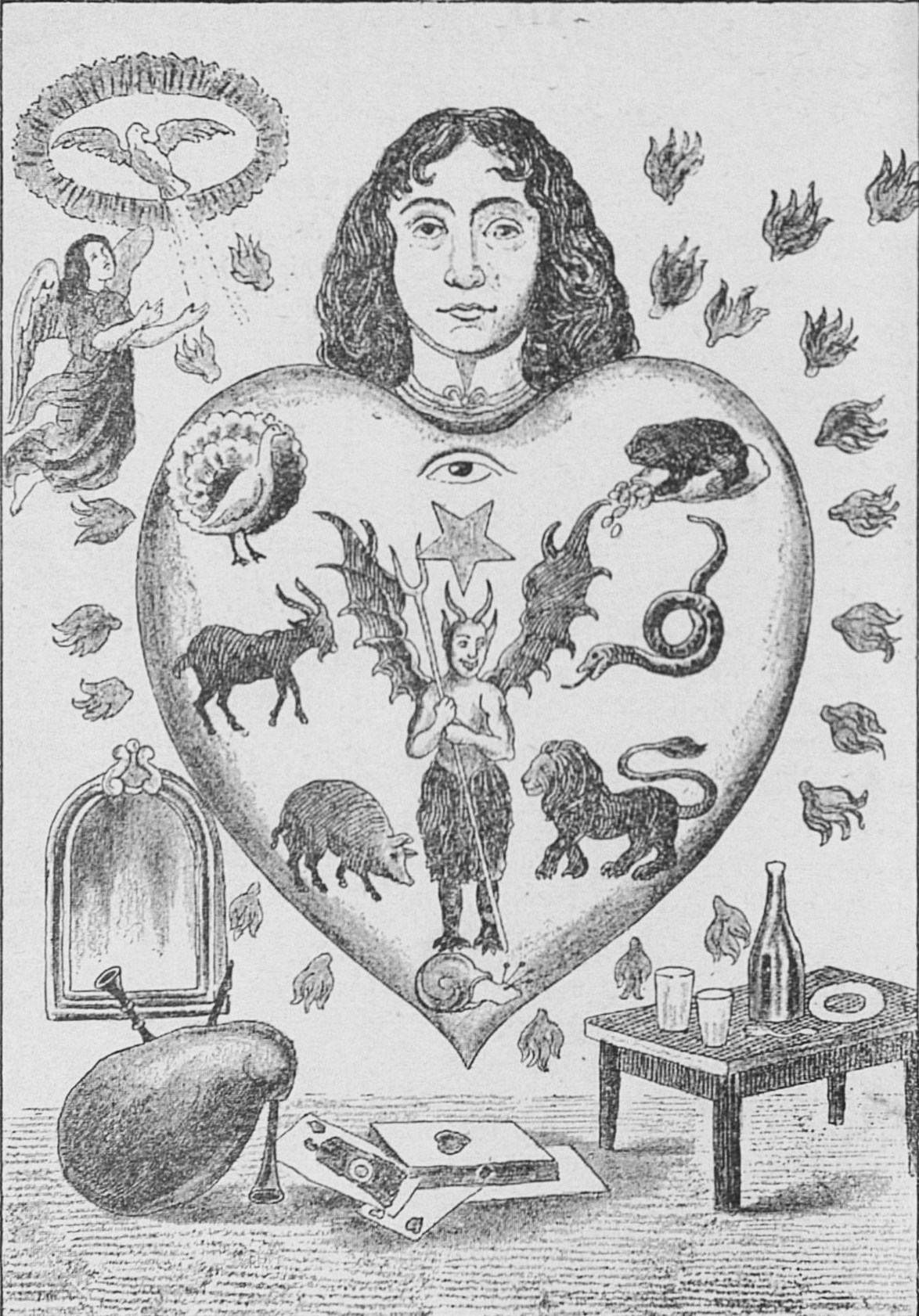
The seven deadly sins have been a frequent subject in medieval and later church art, sermons and literature, where they served both didactic and symbolic functions. They appear in moral exempla, allegory and dramatic works, and influenced how moral education and confession were conducted. Writers and artists used vivid personifications to teach audiences about moral dangers and remedies.
Importance and modern perspectives
Today the concept remains influential beyond strictly religious contexts: it is referenced in popular culture, psychology and ethical discussion as a way of naming common destructive tendencies. Scholars stress that the list functions as a taxonomy of vices rather than a legal code: it identifies root dispositions that can lead to a wide range of harmful behavior, and it is often paired with the seven virtues as a contrasting moral framework.
Notable distinctions
Although commonly called "deadly," the term historically referred to sins that threaten spiritual life by engendering other sins. The seven deadly sins differ from technical classifications like mortal and venial sin in Catholic theology, and their precise boundaries and emphases have varied across traditions and eras.
For further reading on historical treatment and artistic depictions, consult specialized theological and art-historical sources (biblical background, general overviews and museum catalogues available via the links above).
Questions and answers
Q: What are the seven deadly sins?
A: The seven deadly sins, also known as cardinal sins, are types of sins within Christian teachings. They include pride, greed, wrath, envy, lust, gluttony and sloth.
Q: Where did the concept of the seven deadly sins originate?
A: The concept of the seven deadly sins originated with the Desert Fathers who recognized seven or eight evil thoughts.
Q: Are the seven deadly sins mentioned in the Bible?
A: No, they are not mentioned in the Bible.
Q: How were the seven deadly sins portrayed in art and literature?
A: The seven deadly sins were portrayed in paintings and decorations on churches as well as in older textbooks.
Q: What is opposite to these types of sin?
A: The opposite to these types of sin are known as the Seven Heavenly Virtues.
Q: What kind of wickedness do these behaviors or habits form?
A: These behaviors or habits directly form other wickedness.
Q: How many evil thoughts did the Desert Fathers recognize?
A: The Desert Fathers recognized either 7 or 8 evil thoughts.
Related articles
Author
AlegsaOnline.com Seven Deadly Sins (Cardinal Sins in Christian Tradition) Leandro Alegsa
URL: https://en.alegsaonline.com/art/89196