
Sena dynasty (medieval Bengal)
Hindu dynasty that ruled parts of Bengal in the 11th–12th centuries, known for restoring Brahminical institutions, promoting Sanskrit learning, and ending Pala Buddhist rule before the Turkic invasions.
Overview
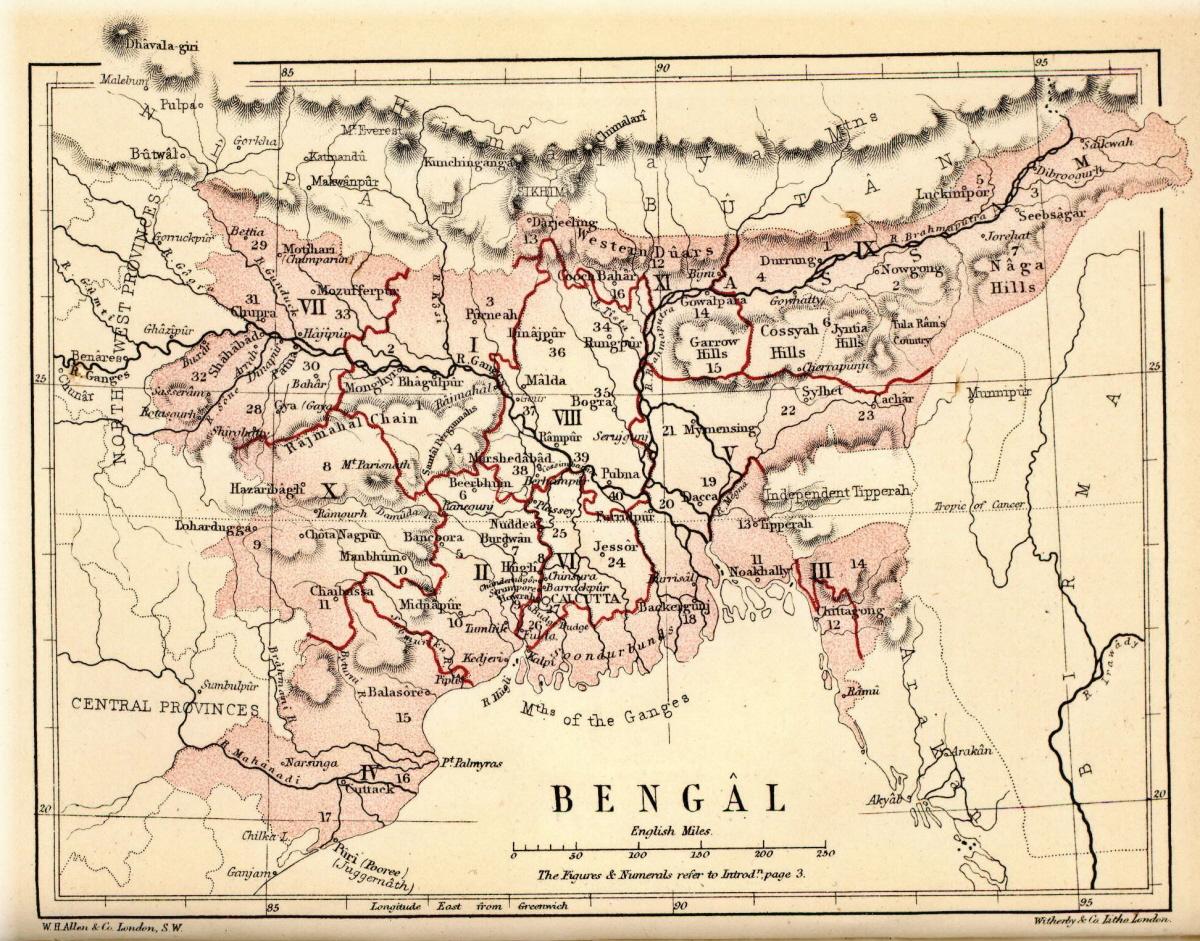
The Sena dynasty was a medieval Hindu ruling family that came to prominence in the Bengal region during the 11th and 12th centuries. Rising after the decline of the Pala Empire, the Senas consolidated control over large parts of what is today Bangladesh and the Indian state of West Bengal. Their reign is noted for a revival of Brahminical religion and social norms, active patronage of Sanskrit literature, and administrative changes that shaped the region�s later feudal structure.
Image gallery
6 Images



Origins and expansion
Traditional accounts trace the dynasty to a founder who bore the family name Sena or Sen and to a social background associated with the Kayastha class. From these beginnings the family established a regional kingdom by taking advantage of the weakening of Pala authority in eastern India. Under successive rulers the Senas extended their influence across the Gangetic delta, and established their principal seat at the city known in later sources as Lakhnauti (near modern Nadia). Their period of greatest power falls roughly in the late 11th through the late 12th centuries.
Notable rulers
- Early chieftains and the dynasty's founder, who set the family on a path from local power to regional kingship.
- Vijaya Sena and his successors, who consolidated territory after the Pala decline.
- Ballala (Ballal) Sena, associated with efforts to re-establish Brahminical rites and to reorganize elite social ranks.
- Lakshmana (Laxman) Sena, the last major Sena monarch who is remembered for courtly patronage of scholars and poets; his reign saw contacts with contemporary north Indian polities.
Society, religion and culture
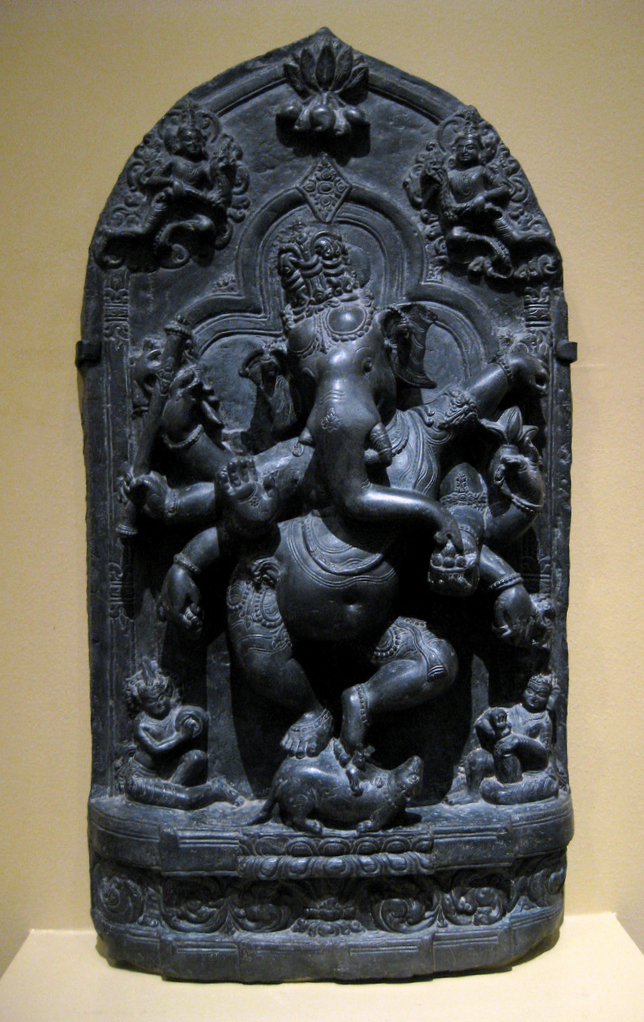
The Senas promoted a return to orthodox Hindu practices in a region long influenced by Buddhist institutions under the Palas. They invited Brahmins from other parts of northern India to settle in Bengal, and their rule is often linked in later sources to the consolidation of caste hierarchies among the regional elite. At the same time they were important patrons of Sanskrit poets, scholars and religious thinkers. The literary culture of their courts included hymnody and court poetry; one celebrated poet associated with the cultural milieu of the period was Jayadeva, known for the Gita Govinda in devotional Sanskrit traditions, and several learned men and jurists served in Sena royal households.
Administration and economy
Administratively the Senas followed the regional models of land grants, temple endowments and village-level governance that characterized much of medieval northern India. They relied on local landlords and officials to collect revenue and maintain order. Bengal under the Senas continued as an agriculturally productive region with riverine trade and urban centers that facilitated commerce both within the subcontinent and beyond.
Decline and legacy
The later Sena kingdom came under attack during the early 13th century when Turkic military expeditions into eastern India began. In the years around 1200–1204 the dynasty lost its principal cities to invaders led by Muhammad bin Bakhtiyar Khalji; this marked the effective end of Sena political control though branches and claimants continued in reduced circumstances. Historically the Senas are remembered for reversing the Buddhist patronage of the Palas, for strengthening Brahminical institutions in Bengal, and for fostering a literary and religious climate that influenced the region's subsequent medieval culture. For more on the geography and later historical contexts of Bengal, see Bengal.
Notable facts
- The dynasty illustrates the broader pattern of regionalization after imperial decline in medieval South Asia.
- Its cultural patronage helped transmit Sanskrit learning into eastern India while local devotional currents adapted those influences.
- The political changes at the end of the Sena period set the stage for new regimes and religious transformations in Bengal during the thirteenth century.
Related articles
Author
AlegsaOnline.com Sena dynasty (medieval Bengal) Leandro Alegsa
URL: https://en.alegsaonline.com/art/88785