
Sexagenary cycle (stems-and-branches)
A traditional East Asian system combining ten Heavenly Stems and twelve Earthly Branches into a 60-term cycle used to mark years, months, days and hours for calendars, astrology and cultural practice.
Overview
The sexagenary cycle, often called the "stems-and-branches" (干支 gānzhī) system, is a cyclic method for naming years, months, days and double-hours used across China, Korea, Japan and Vietnam. It pairs one of ten Heavenly Stems (天干 tiāngān) with one of twelve Earthly Branches (地支 dìzhī) in sequence to produce 60 unique combinations. The first pair, 甲子 (jiǎzǐ), begins the cycle and the system repeats every sixty terms.
Image gallery
2 Images
Structure
The cycle arises from combining two independent sequences: a ten-term set of stems and a twelve-term set of branches. Because 10 and 12 have a least common multiple of 60, the ordered pairing produces sixty distinct names before repeating. The stems are associated with the Five Elements and yin/yang polarity; the branches correspond to the twelve zodiac animals and to time divisions.
- Heavenly Stems (10): 甲 Jiǎ, 乙 Yǐ, 丙 Bǐng, 丁 Dīng, 戊 Wù, 己 Jǐ, 庚 Gēng, 辛 Xīn, 壬 Rén, 癸 Guǐ.
- Earthly Branches (12): 子 Zǐ (Rat), 丑 Chǒu (Ox), 寅 Yín (Tiger), 卯 Mǎo (Rabbit), 辰 Chén (Dragon), 巳 Sì (Snake), 午 Wǔ (Horse), 未 Wèi (Goat), 申 Shēn (Monkey), 酉 Yǒu (Rooster), 戌 Xū (Dog), 亥 Hài (Pig).
History and development
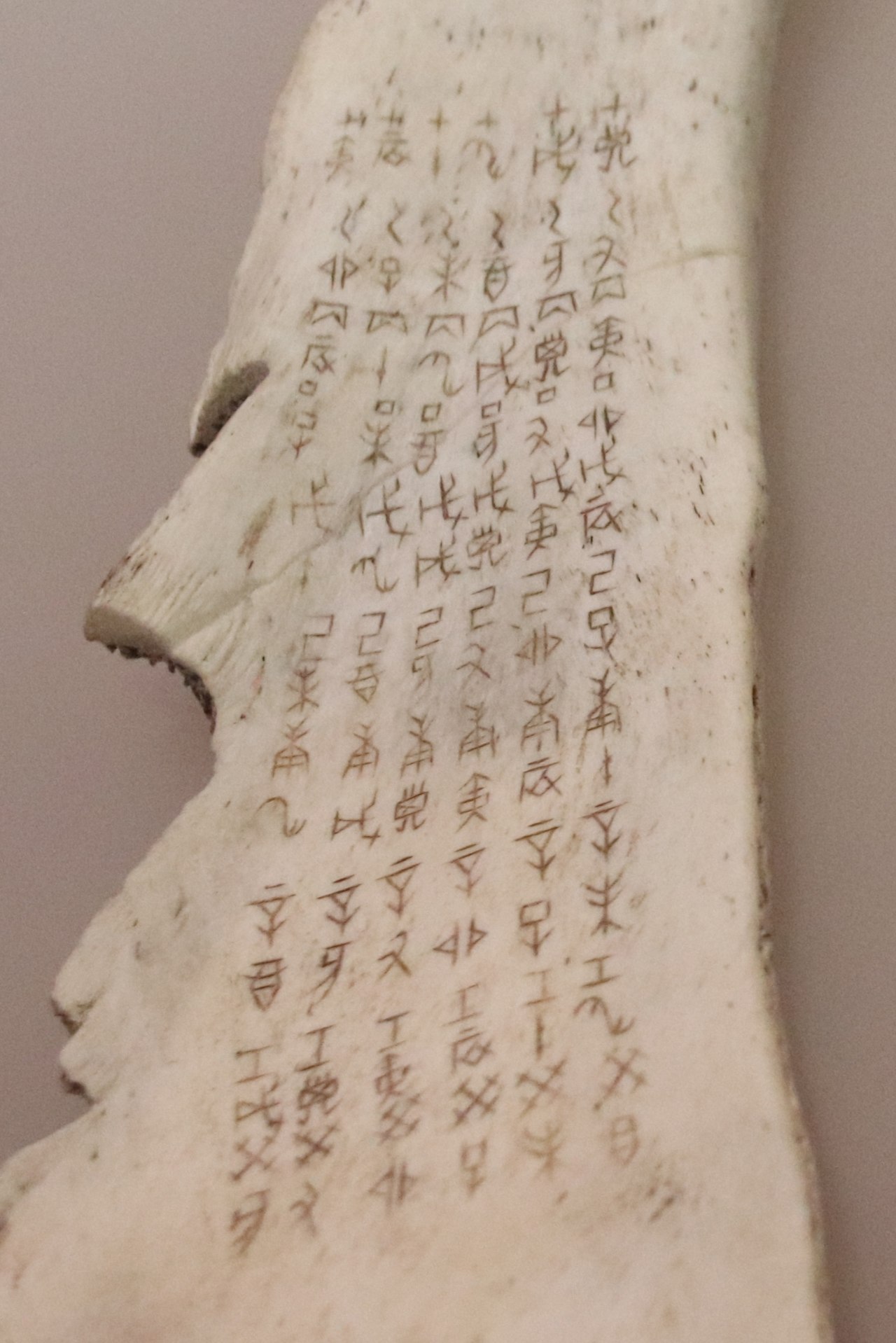
Elements of the stems-and-branches system appear in ancient Chinese inscriptions and were used for divination and record keeping. Over centuries it became integrated into calendrical practice and cosmological thought, linking celestial observations, the Five Elements, yin and yang, and the zodiac. The cycle was adopted and adapted by neighboring cultures and remains a component of traditional lunisolar calendars.
Uses and examples
Traditionally, the sexagenary names mark years (often alongside era names), months and days in almanacs, and the twelve branches also name two-hour periods (for example, 子 corresponds roughly to 23:00–01:00). It is used in astrology, feng shui, agriculture and ritual timing. The first position, 甲子 (jiǎzǐ), is sometimes used as a generational marker (a "jiazi" cycle). For instance, 1984 is widely recognized as a 甲子 year, which illustrates how the cycle maps to Gregorian years in practice.
Distinctive features and modern relevance
Although related to the familiar 12-year zodiac, the sexagenary cycle produces a longer 60-term rhythm and encodes additional associations (elemental and yin/yang qualities). Today it survives in cultural calendars, naming conventions, fortune-telling and scholarly references. For further introductory resources see basic reference and calendrical studies at specialist links.
Related articles
Author
AlegsaOnline.com Sexagenary cycle (stems-and-branches) Leandro Alegsa
URL: https://en.alegsaonline.com/art/89275
Sources
- books.google.com : "Jikkan-jūnishi"
- books.google.com : Standard C Date/Time Library: Programming the World's Calendars and Clocks, p. 378
- books.google.com : "Calendar"
- books.google.com : "Jūnishi"