
Severan dynasty (Roman emperors, 193–235)
Roman imperial house founded by Septimius Severus that ruled 193–235 CE; noted for military dominance, legal reforms, influential imperial women, and a role in the lead-up to the Third-Century Crisis.
The Severan dynasty was the ruling imperial family of Rome from 193 to 235 CE. Established by Septimius Severus, it followed the chaotic Year of the Five Emperors and became a defining phase in the late Principate. The period saw intensified military influence over politics, a series of violent successions, important legal and administrative developments, and greater prominence for provincial elites and imperial women. The dynasty's collapse presaged the wider Crisis of the Third Century.
Image gallery
10 Images




Origins and rise to power
In 193 CE, competing generals and senators vied for control of the Roman state during a rapid sequence of claimants. Septimius Severus, a commander from Leptis Magna in Roman North Africa, secured the throne by defeating rivals in civil war and consolidating support from the legions. His ascent ended the immediate turmoil of the Year of the Five Emperors and marked a shift in imperial politics toward commanders with provincial power bases. The dynasty is typically treated as the last ruling line of the early Principate, while also pointing forward to more overtly military rule.
Principal rulers and family dynamics
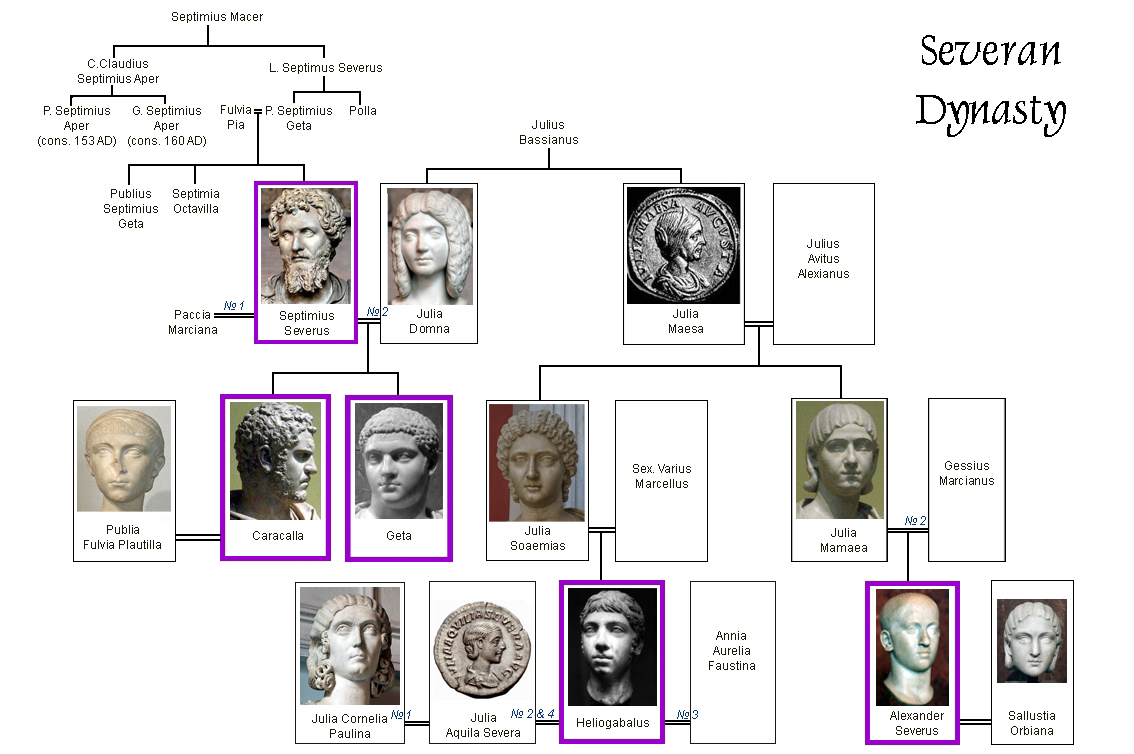
The main sequence of rulers associated with the Severan house includes figures whose relationships and rivalries shaped the era. Key emperors and claimants are:
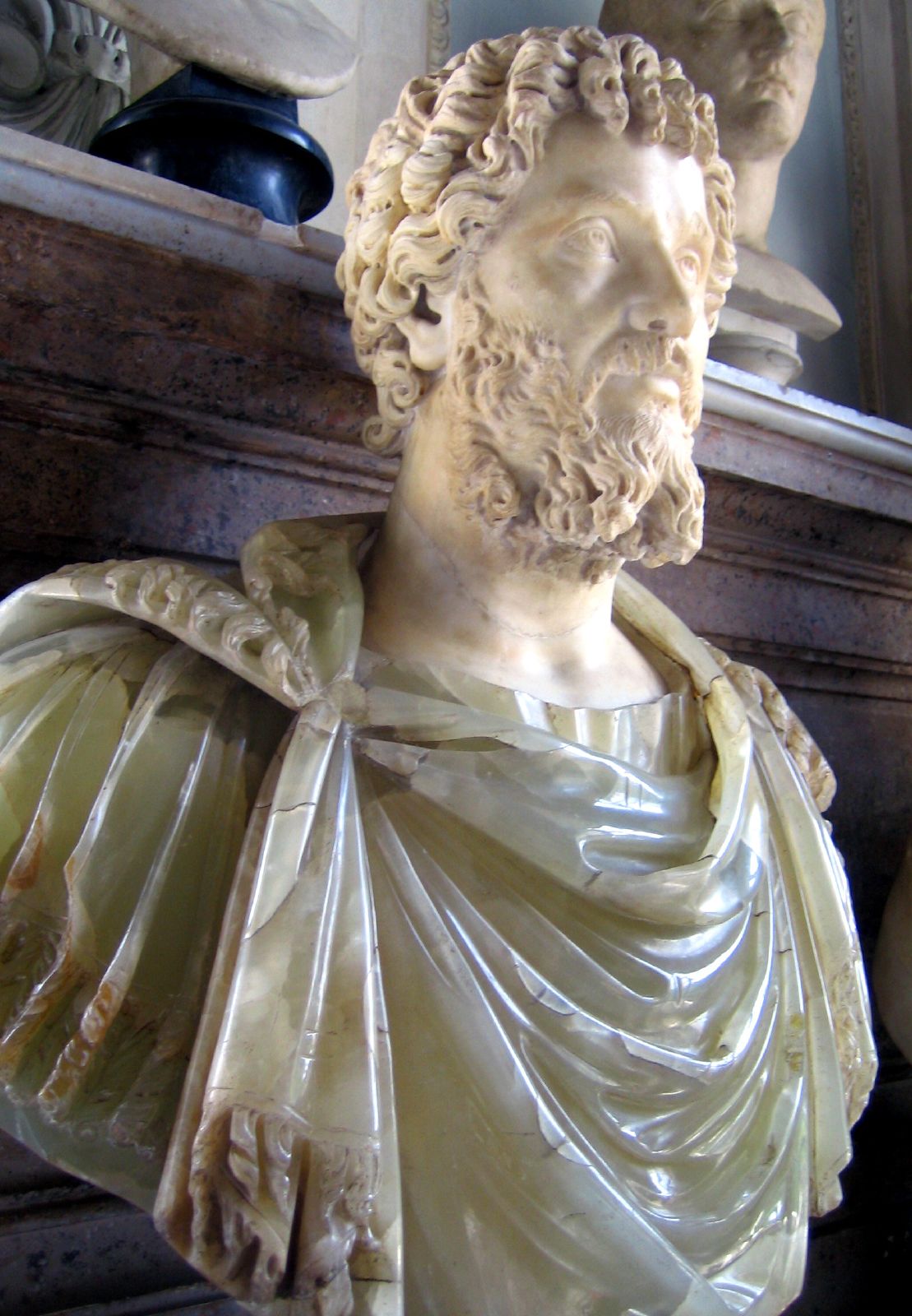
- Septimius Severus (founder) — restored order and strengthened the army's role in the state.
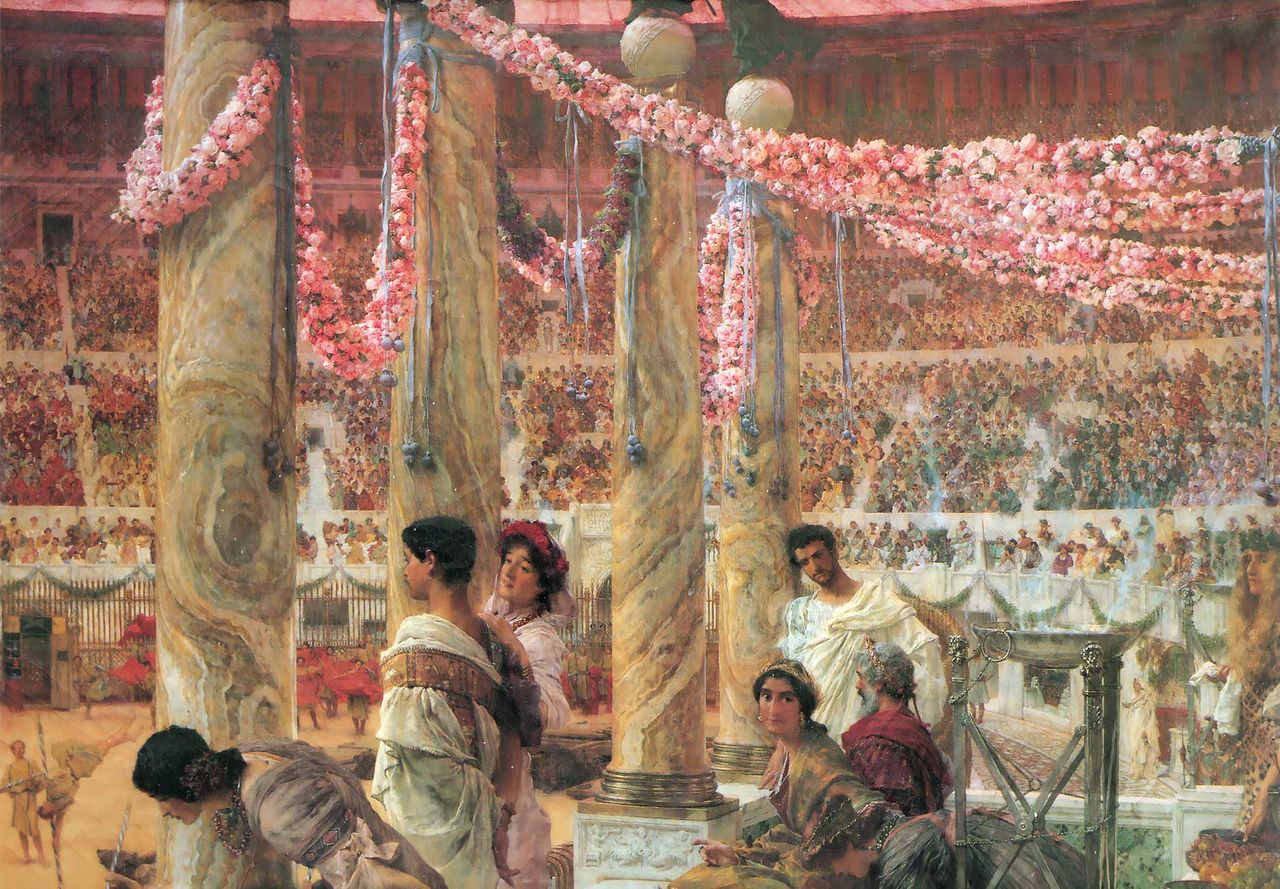
- Caracalla — son of Severus; known for the Constitutio Antoniniana, which extended Roman citizenship widely across the Roman Empire, and for fratricide when he had his brother Geta killed.
- Geta — briefly co-emperor and victim of internal purge.
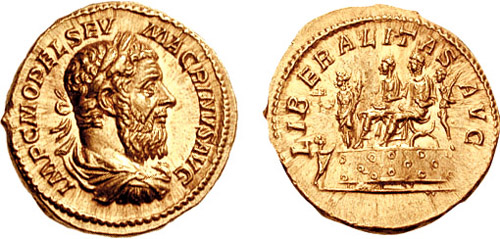
- Macrinus — a short-lived non-dynastic successor whose rule interrupted Severan bloodline continuity.
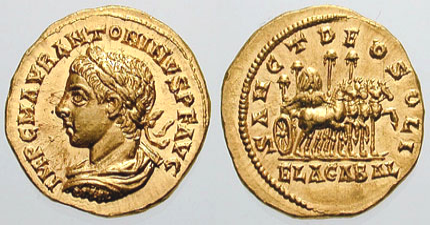
- Elagabalus — from the Syrian priestly family of Emesa; his unconventional religious reforms and court style provoked opposition and eventual removal.
- Severus Alexander — last widely recognized Severan emperor; his assassination in 235 ended the dynasty's effective rule and opened the empire to more frequent military usurpations.
Family tensions — assassinations, forced damnatio memoriae, and dynastic marriage politics — were recurrent. Several women of the dynasty, notably Julia Domna, Julia Maesa, Julia Soaemias and Julia Mamaea, exercised considerable influence behind the throne and helped advance relatives to power.
Administration, reforms and cultural influence
Severan rule combined continued appreciation for Roman legal and administrative traditions with important innovations. Military pay was increased and soldiers given greater prominence in provincial administration, reinforcing the army's political leverage. The Constitutio Antoniniana of 212 CE, associated with Caracalla, granted Roman citizenship more broadly to free inhabitants of the empire, with long-term social and fiscal effects. Public building projects (for example, baths and monumental works) and a flourishing of provincial aristocracies reflected the empire's cosmopolitan character during this era.
Historical significance and decline
The Severan dynasty is significant for its consolidation of soldier-emperors and for highlighting the tensions between senatorial institutions and a strengthening military. Its end in 235 CE did not produce immediate recovery; rather, it ushered in a period of rapid turnovers, external pressures, and economic strain. Historians view the Severan age as both the culmination of certain imperial trends begun in the first two centuries and as a prelude to the disorders of the mid-Third Century.
Notable facts and further reading
Among notable points: Septimius Severus was the first emperor born in the African provinces to establish a lasting imperial line; Caracalla's citizenship edict reshaped legal status across the empire; and several Severan rulers were associated with eastern religious practices and provincial elites. For concise reference and source material, consult contemporary inscriptions and later historical compendia that address the period's political, military, and social changes. For more on the dynasty's art and portraiture, architecture and textual records, see related entries and sources via dynastic overview, specialized studies at historical surveys, bibliographic collections at civil war accounts, and interpretive works on imperial transition at the Principate, the Year of the Five Emperors, and later crises referenced at Third-Century studies. Additional timelines and primary text editions are available through academic portals indicated by Roman Empire resources and regional studies such as those on Leptis Magna and Emesa (Severus family origins) and dynastic female influence (Julia Domna and relatives).
Questions and answers
Q: Who founded the Severan dynasty?
A: The Roman general Septimius Severus founded the Severan dynasty.
Q: When did the Severan dynasty rule the Roman Empire?
A: The Severan dynasty ruled the Roman Empire between 193 and 235.
Q: What event led to the rise of Septimius Severus to power?
A: The civil war of 193, known as the Year of the Five Emperors, led to the rise of Septimius Severus to power.
Q: Did Septimius Severus successfully restore peace during his reign?
A: Yes, Septimius Severus successfully restored peace following the upheaval of the late 2nd century.
Q: What kind of relationships were unstable within the Severan dynasty?
A: Family relationships within the Severan dynasty were unstable.
Q: Was there political turmoil during the rule of the Severan dynasty?
A: Yes, there was constant political turmoil during the rule of the Severan dynasty.
Q: What did the Severan dynasty foreshadow?
A: The Severan dynasty foreshadowed the coming Crisis of the Third Century.
Related articles
Author
AlegsaOnline.com Severan dynasty (Roman emperors, 193–235) Leandro Alegsa
URL: https://en.alegsaonline.com/art/89223