
Semiramide (Rossini) — Italian opera in two acts
Semiramide is an 1823 two-act opera by Gioachino Rossini with a libretto by Gaetano Rossi after Voltaire. A late Italian opera seria, it is known for virtuosic vocal writing, a famous overture and dramatic intrigue.
Overview
Semiramide is an Italian opera composed by Gioachino Rossini. Written in a serious, dramatic vein and organized in two acts, the work premiered at the Teatro La Fenice in Venice on 3 February 1823. The libretto was prepared by Gaetano Rossi and draws its principal dramatic source from a stage treatment of the Semiramis legend by Voltaire. From its first performances it attracted attention for its bold vocal writing and large-scale dramatic structure.
Image gallery
6 Images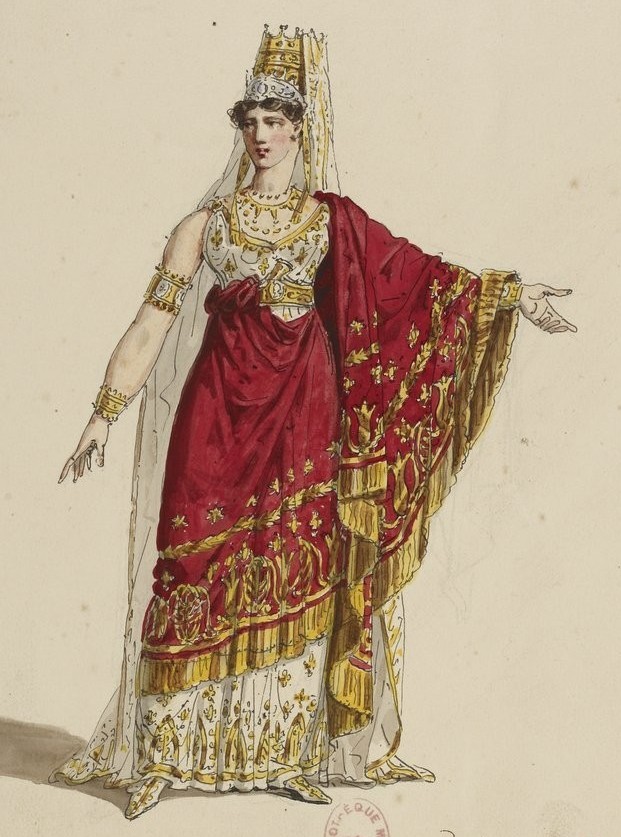


Musical character and structure
Rossini conceived Semiramide as a late example of Italian opera seria. Orchestral introductions, extended ensembles and florid arias demand both technical agility and expressive power from the singers. The overture is frequently performed independently in concert repertoire. Overall the score balances solo coloratura displays with choruses and accompanied recitatives, producing a rich and varied sound world that points toward the evolving tastes of the 1820s.
Roles and dramatic outline
The principal characters embody court intrigue, concealed identities and the consequences of past crimes. Key roles include:
- Semiramide — the queen and title character (soprano)
- Arsace — a young warrior and trouser role (mezzo/contralto)
- Assur — the power-hungry minister and antagonist (bass)
- Idreno — a suitor or rival (tenor)
Without giving a full scene-by-scene account, the drama revolves around revelations of parentage, vengeance for earlier violence, and the tragic unraveling of political power. These themes are typical of operatic settings of ancient or legendary rulers, and Rossi's libretto shapes them into a compact two-act form.
Performance history and reception
Semiramide was successful at its premiere and secured a place in 19th-century repertory. It represents one of Rossini's last major Italian operas before he increasingly focused on Parisian projects. The work experienced periods of relative neglect and revival; modern productions often emphasize both the vocal fireworks and the psychological intensity of the plot. Because the principal parts are technically demanding, the opera is frequently undertaken as a showcase for virtuoso singers.
Notable aspects and legacy
Semiramide is notable for its combination of grand, classical subject matter and the flamboyant bel canto style that characterized Rossini's mature work. The libretto's literary derivation from Voltaire connects the piece to Enlightenment drama even as the music exploits Romantic-era expressive resources. Today it is prized for its overture and for arias that require exceptional breath control, agility and dramatic commitment; these features keep the opera relevant for both historical study and stage performance.
Further reading and resources may be found through general reference entries on the genre, the composer and the theatrical venues associated with the premiere. For a concise guide to recordings, editions and modern stagings consult specialist opera catalogues and musicological studies.
Related articles
Author
AlegsaOnline.com Semiramide (Rossini) — Italian opera in two acts Leandro Alegsa
URL: https://en.alegsaonline.com/art/88763