
Gioachino Rossini: life, music, and lasting influence
Italian composer Gioachino Rossini (1792–1868) reshaped opera with melodic gift, drama, and orchestral flair. Best known for The Barber of Seville and the William Tell overture, his style still informs singers and audiences.
Overview
Gioachino Rossini was an Italian composer celebrated for his operas and vivid melodic writing. Born in Pesaro on 29 February 1792 and dying in Passy in 1868, he became the dominant operatic figure of his generation. Rossini combined elegant vocal lines, lively ensembles and striking orchestral writing to renew Italian stage music at a time when many critics considered the repertory predictable.
Image gallery
10 Images




Life and career
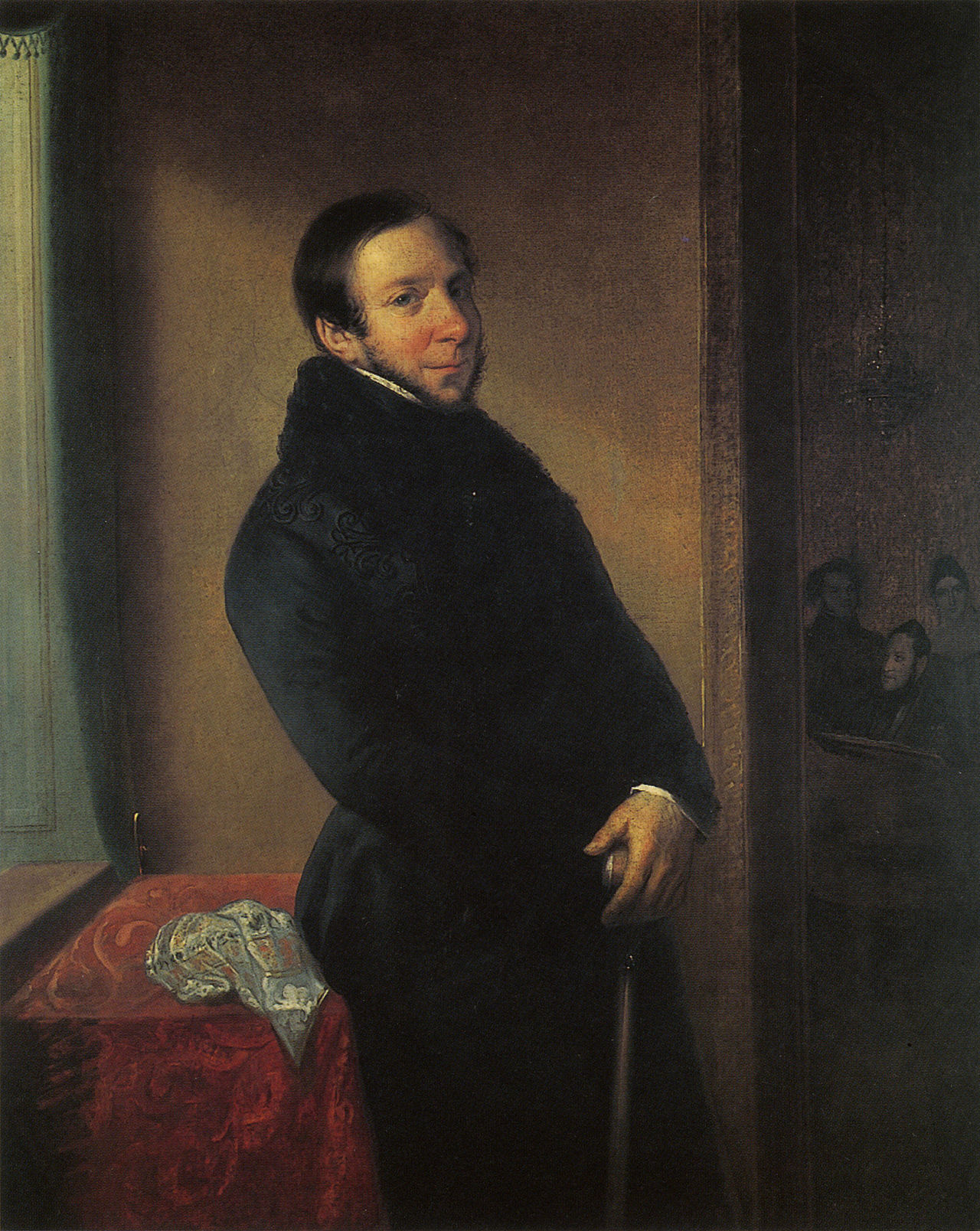
Rossini established his reputation early: he was composing for the theatre as a young man and rapidly attracted attention across Italy and beyond. He wrote for a wide variety of venues and audiences, producing both comic and serious works. His last major stage work, the grand opera William Tell, marked the end of his operatic career on the stage; afterwards he lived largely in Paris and wrote little for the theatre, though he continued to create sacred pieces and occasional vocal works.
Musical characteristics and innovations
Rossini is associated with the bel canto tradition — an emphasis on beautiful, flexible singing — but he brought a distinctive blend of wit, orchestral color and dramatic pacing. He wrote effectively for singers, crafting memorable arias, fast patter passages and lively ensembles. He popularized techniques such as repeated figures that increase in intensity (often called the "Rossini crescendo"), and his overtures are models of concise, dramatic writing.
Major works and examples
- Il barbiere di Siviglia (The Barber of Seville) — a comic masterpiece often regarded as Rossini's most popular opera.
- Guillaume Tell (William Tell) — a large-scale work whose overture, and especially its finale, is frequently heard in concert and in media.
- Numerous overtures and concert pieces that continue to appear on orchestral programs; his overtures are prized for their clarity and energy.
Context, reception and legacy
Rossini transformed Italian operatic practice at a point when composers such as Cimarosa and Paisiello were seen as offering predictable models. His influence extended to contemporaries and successors who embraced bel canto technique and tighter dramatic structure. After a long period in which many of his works were neglected, 20th-century revivals and specialized festivals renewed interest; his birthplace now hosts events that celebrate his music and legacy.
Notable facts
He was enormously popular in his lifetime and remains a central figure in the operatic canon. Rossini’s music balances craftsmanship and theatrical immediacy: he was a writer for the stage who understood how to combine vocal virtuosity, orchestral color and dramatic timing. While he ceased writing operas relatively early, he left a repertoire of comic and serious works, as well as sacred compositions and concert pieces, that continue to challenge and delight performers and audiences. For further reading on specific scores and recordings see resources linked below.
Selected links: Pesaro, birth date, Passy, Italian, composer profile, operas overview, earlier composers, vocal writing, overtures collection, William Tell.
Questions and answers
Q: Who was Gioachino Rossini?
A: Gioachino Rossini was an Italian composer born in Pesaro on February 29, 1792, and died in Passy on November 13, 1868.
Q: What was Rossini famous for?
A: Rossini was famous for being the most prominent composer of operas in his time.
Q: How did Rossini make his operas more interesting?
A: Rossini made his operas more interesting by writing skillfully for the singers, providing them with good tunes, incorporating interesting music for the orchestra, and selecting a variety of stories for his operas.
Q: Which opera made Rossini the most well-known today?
A: The opera that made Rossini most well-known today is The Barber of Seville or Il Barbiere di Siviglia.
Q: Are any of the overtures from Rossini's operas still played today?
A: Yes, many of the overtures to Rossini's operas are still played today, with the most famous one being the overture to Guillaume Tell or William Tell.
Q: In what British TV show was the overture to Guillaume Tell featured?
A: The overture to Guillaume Tell was featured in the British TV show The Adventures of William Tell.
Q: Did Rossini continue composing music until he died?
A: No, Rossini stopped composing music during the last 40 years of his life, despite his friends' pleas for him to write another opera.
Related articles
Author
AlegsaOnline.com Gioachino Rossini: life, music, and lasting influence Leandro Alegsa
URL: https://en.alegsaonline.com/art/119826