
Self-portrait: history, forms, and notable examples
An overview of self-portraits: what they are, how artists have made them, their purposes, and notable examples from early painted panels to modern photography.
Overview
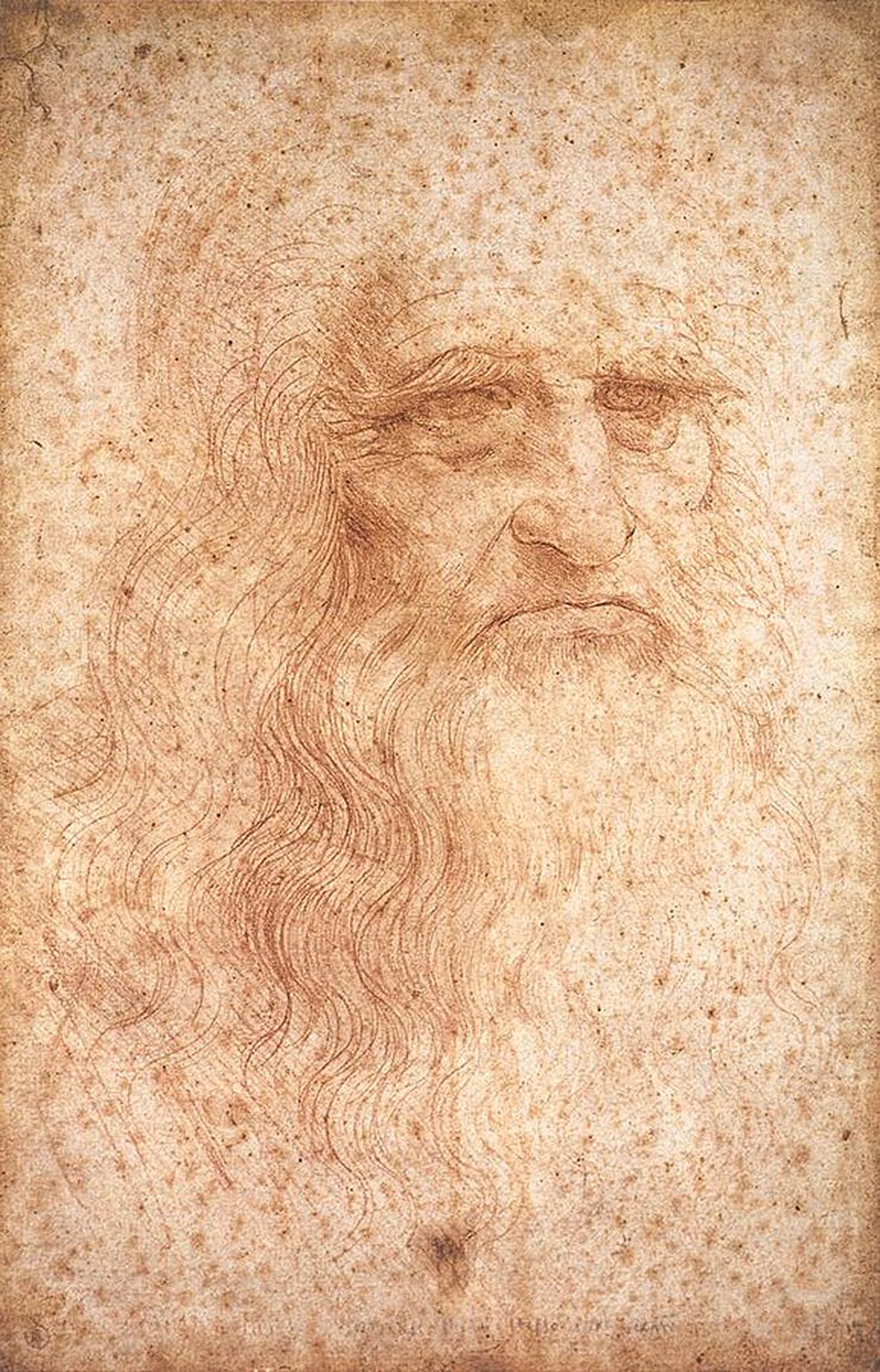
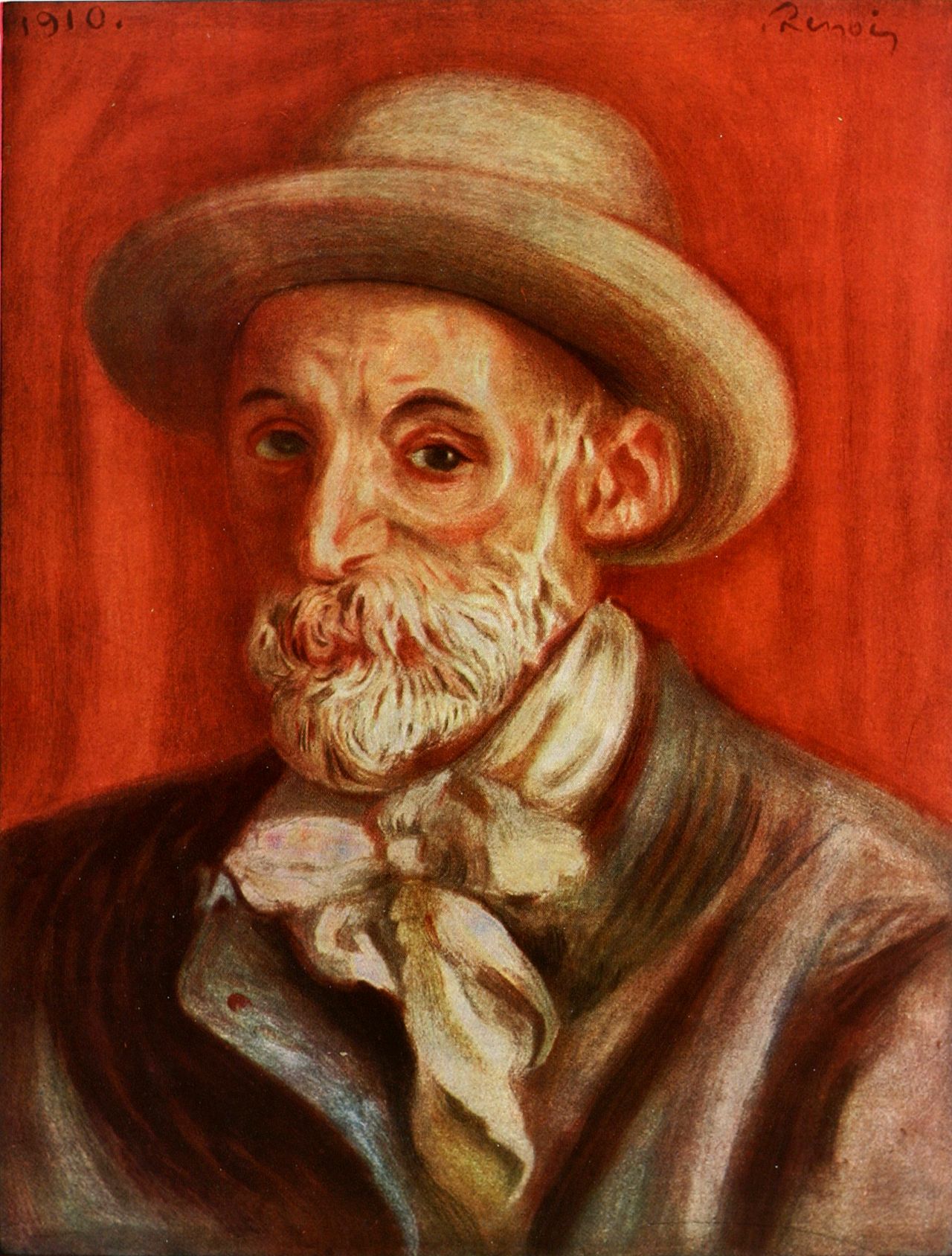
A self-portrait is an image an artist creates of themselves. It can be painted, drawn, photographed, sculpted or produced digitally. Artists use mirrors, cameras, or memory as tools to study and represent their own appearance, expression, or identity. Self-portraits range from straightforward likenesses to symbolic, staged, or abstracted representations.
Image gallery
10 Images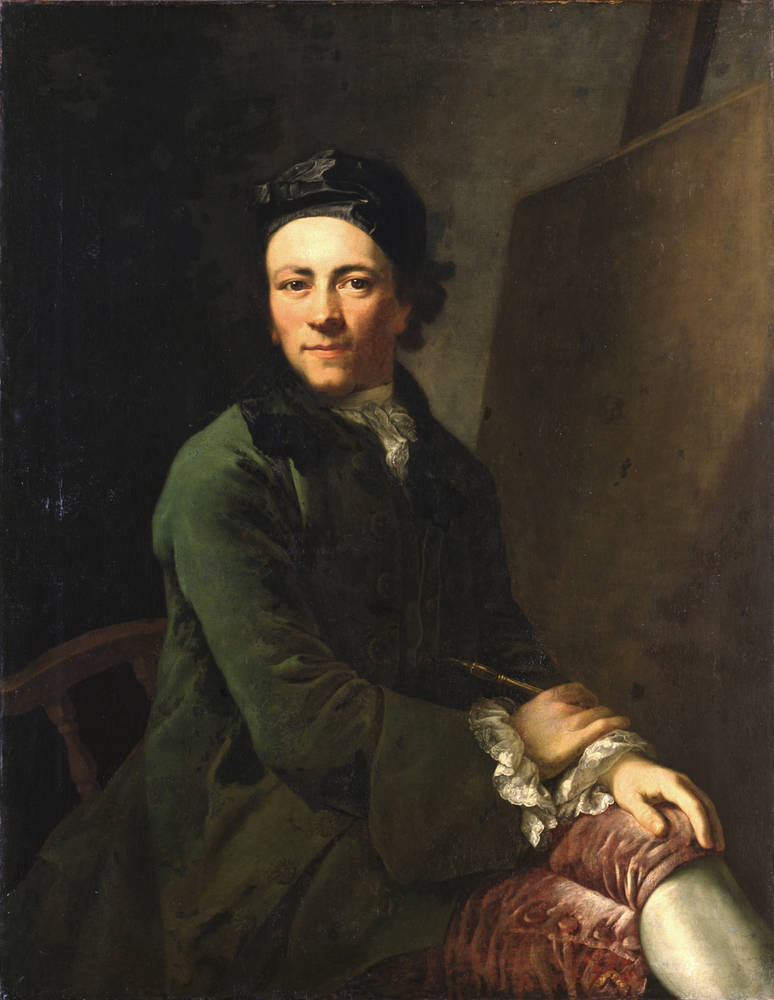




History and development
Artists have represented themselves in many cultures and periods. In the Western painted tradition a frequently cited early dated example is a small panel by Jan van Eyck from 1433. Later centuries saw the genre develop as artists experimented with realism, psychology and narrative. From the Baroque era to modern art, self-portraiture became a way to record age, status, fashion, and inner life.
Characteristics and techniques
Self-portraits often rely on a mirror or camera for accuracy. Techniques include direct observation, layered studio practice, and preparatory sketches. Artists choose scale, costume, pose, lighting, and background to convey mood or message. Some self-portraits emphasize anatomical fidelity; others emphasize mood, symbolism, or constructed identity.
Uses, motifs and importance
Artists make self-portraits for many reasons: practice and study, exploration of identity, self-promotion, documentation of aging or illness, and as experiments in style. They can be intimate records or public statements. For many viewers, self-portraits offer a direct line into an artist's technique and personal concerns.
Forms and notable examples
- Painted and drawn portraits (Rembrandt's numerous self-studies are widely known).
- Modern and contemporary photographic self-portraits that use staging and technology.
- Iconic personal narratives, such as the painted self-portraits of Vincent van Gogh—often cited as about 30–40 images made in the late 1880s—and the emotionally charged works of Frida Kahlo.
Self-portraiture continues to evolve with new media and social platforms, remaining a central way for artists to examine self-representation, technique, and public identity.
Related articles
Author
AlegsaOnline.com Self-portrait: history, forms, and notable examples Leandro Alegsa
URL: https://en.alegsaonline.com/art/88680