
Sejm of the Republic of Poland
The Sejm is Poland's lower parliamentary chamber. This article explains its role, composition, history, powers, and its relationship with the Senate and the office of the Marshal.

Image gallery
10 Images

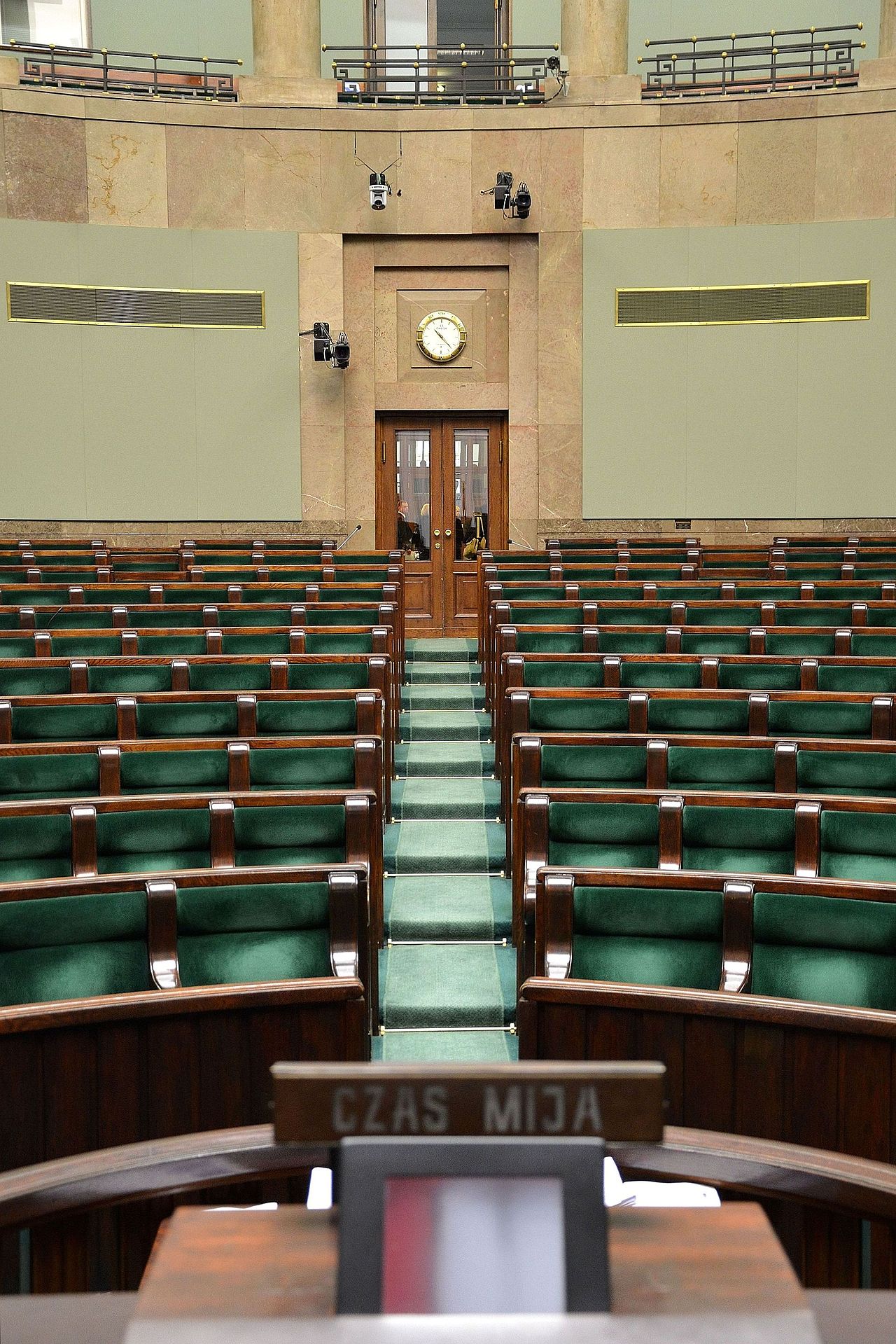


Composition and leadership
The Sejm currently consists of 460 deputies elected by general suffrage. Members serve fixed terms and represent multi-member constituencies under a proportional electoral system administered at the national level; the system includes electoral thresholds for political parties and coalitions. Deputies elect a presiding officer known as the Marshal of the Sejm, who chairs debates, enforces rules of procedure and represents the chamber externally. The Sejm also organizes its work through standing and special committees that examine bills, supervise government activity and prepare legislative reports.
Powers and functions
The Sejm holds several core powers within Poland's constitutional order. It initiates, amends and adopts legislation; it approves the state budget and ratifies certain international agreements. The chamber can summon and question ministers, conduct inquiries and, in specified circumstances, pass votes of confidence or no confidence in the government. Many important decisions require collaboration with the Senate, while some measures — such as budgetary laws or overriding Senate amendments — follow particular procedural rules.
History and development
The institution named "Sejm" has deep historical roots in Polish political life, evolving from assemblies in the Polish–Lithuanian Commonwealth to modern democratic practice. Since the rebirth of independent Poland in the early 20th century (the Second Polish Republic) the term Sejm has referred to the lower house of parliament; the postwar and communist periods altered its role until democratic reforms restored parliamentary primacy after 1989. Contemporary Sejm procedures reflect a mix of historical tradition and constitutional design shaped in the late 20th century.
Distinctions, practice and significance
- The Sejm is distinct from the Senate in composition, legislative procedure and certain competencies: the two chambers must cooperate but have different powers and veto mechanisms.
- Membership and representation are determined by national electoral law and the principle of universal suffrage; voting is public and regulated to ensure broad participation (universal ballot).
- For procedural definitions, internal rules and current membership lists consult official sources and parliamentary records (lower house information pages).
As the central legislative organ of Poland, the Sejm remains a key arena for political debate and policymaking. Its decisions shape domestic law, budgetary priorities and Poland's role in international affairs. For more detailed reference material and current updates see official parliamentary resources and authoritative analyses of Poland's political system (Polish name and details, Marshal's office, parliamentary overview).
Related articles
Author
AlegsaOnline.com Sejm of the Republic of Poland Leandro Alegsa
URL: https://en.alegsaonline.com/art/88616
Sources
- opis.sejm.gov.pl : "Poznaj Sejm"