
Senate of Poland (Senat)
The Senate (Senat) is the upper chamber of Poland's bicameral parliament. Composed of 100 elected senators, it reviews legislation, proposes amendments, and represents territorial interests from its seat in Warsaw.
Overview
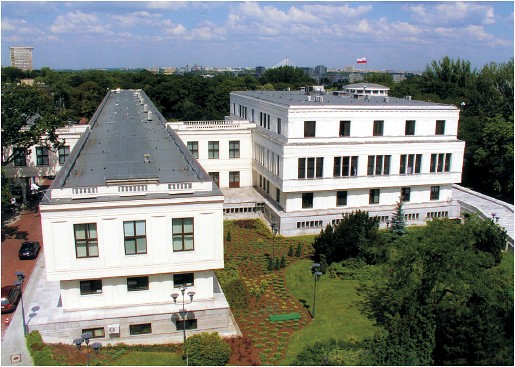
The Senate of Poland (Senat) is the upper chamber of the Polish bicameral legislature. Sitting alongside the lower house, the parliament's two chambers share the lawmaking role but perform different functions and procedures. The chamber meets in Warsaw, where it carries out deliberation, amendment and oversight tasks distinct from those of the Sejm.
Image gallery
10 Images



Composition and officers
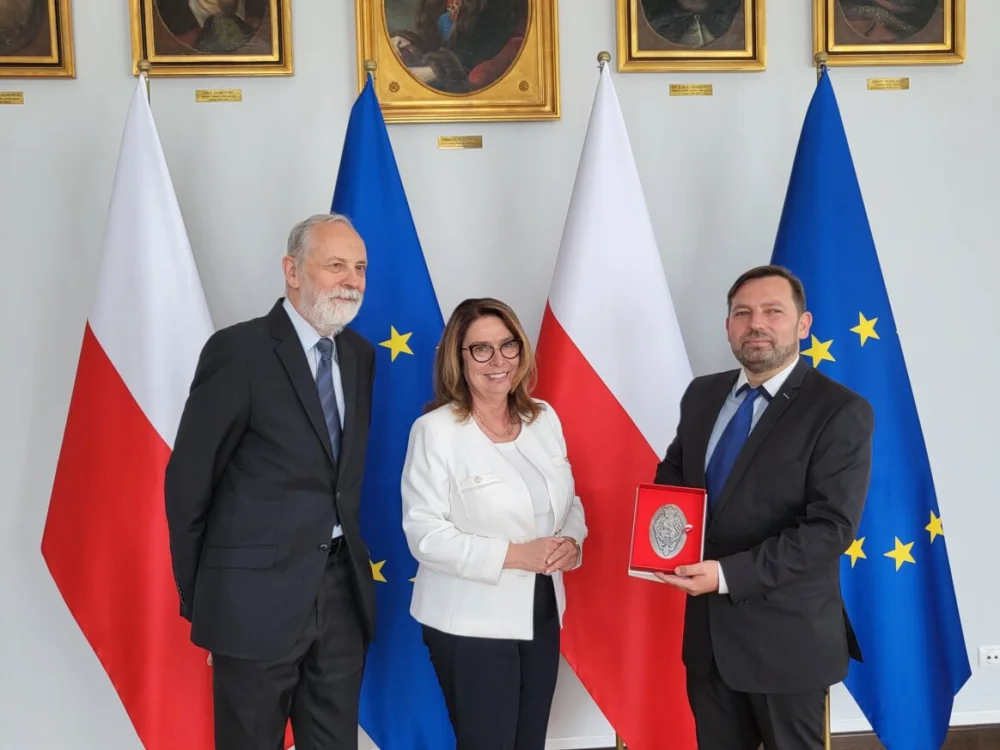
The Senate has 100 members, each commonly called a senator. Senators are chosen by universal suffrage and serve four-year terms. The body is presided over by the Marshal of the Senate; the current officeholder is identified in official sources as Tomasz Grodzki, while references to the position itself use the title Marshal of the Senate. The chamber organizes its internal work through committees and a bureau overseen by the marshal.
Functions and powers
As the upper house, the Senate examines bills passed by the lower chamber, suggesting amendments, approving, or rejecting legislation. Its main capacities include considering enacted measures, proposing modifications and offering opinions on appointments and certain national matters. While it cannot typically originate money bills with ultimate authority, it provides an additional review stage that can shape final laws.
Process and practice
In practice, the Senate acts as a revising body: most bills originate in the Sejm and arrive at the Senate for scrutiny. The chamber may return amendments that the Sejm can accept or override. The Senate also plays a role in representing regional interests and offers a forum for more deliberative debate, often sitting apart from the faster-paced lower house procedures.
History and significance
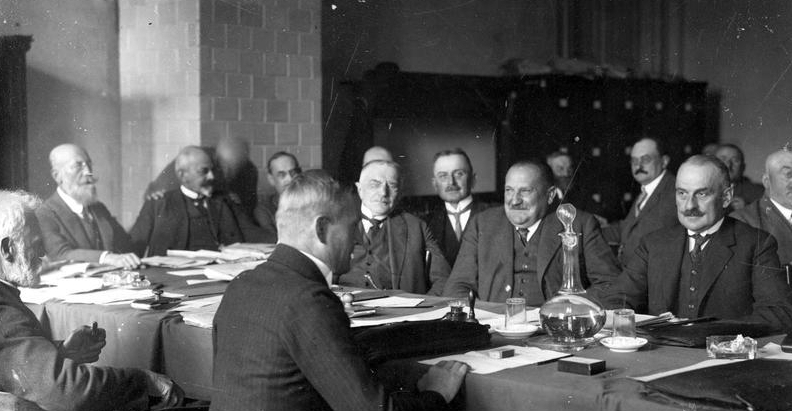
The modern Senate traces its roots to historical Polish assemblies but has been shaped by 20th-century constitutional changes. Its contemporary form was restored after the political transformations of the late 20th century and remains a permanent feature of Poland's democratic institutions, meeting at its seat in Warsaw. The chamber's membership and rules continue to evolve through legislation and political practice.
Key roles at a glance
- Review and amendment of legislation passed by the Sejm.
- Representation of territorial constituencies and regional interests.
- Participation in certain appointments and consultations.
- Deliberative oversight and committee work.
For official descriptions and current membership lists consult primary sources and parliamentary publications maintained by the institution and related authorities (official notices).
Related articles
Author
AlegsaOnline.com Senate of Poland (Senat) Leandro Alegsa
URL: https://en.alegsaonline.com/art/88797