
Seiðr — Old Norse ritual sorcery, prophecy and social role
Seiðr was an Old Norse ritual practice of prophecy, trance and magical manipulation recorded in the sagas and Eddas. It involved specialists, contested gender roles, and a modern revival in Heathen and pagan movements.
Seiðr (Old Norse seiðr) refers to a set of ritual practices and techniques associated with magic, prophecy and altered states of consciousness in medieval Scandinavian culture. Descriptions of seiðr appear in the corpus of Old Norse literature and were remembered in later folklore. Scholars treat seiðr as a range of activities rather than a single fixed technique: it could include divination, sending or thwarting fate, and practices intended to influence people, weather or luck.
Image gallery
2 Images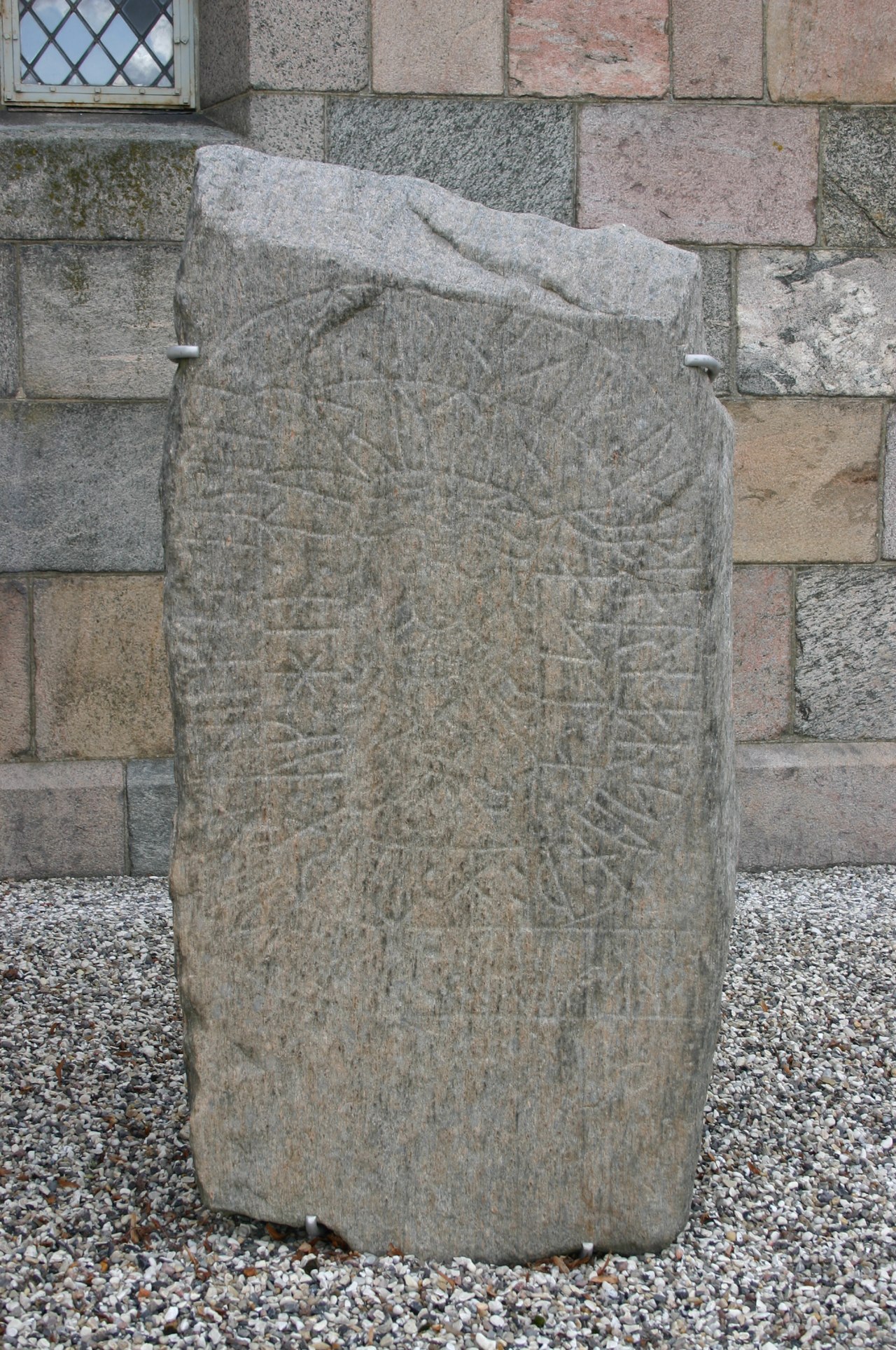

Characteristics and ritual elements
Accounts of seiðr emphasize performance and trance. Narratives describe rituals that used song and spoken formulae, ritual staffs or tools, seated circles, and a central practitioner who entered an inspired or entranced state. Some sources link the practice with the weaving or spinning of fate-like threads, and with songs or chants that accompanied ritual work. The following features recur in descriptions and scholarly reconstructions:
- Divination and prophecy: seeking information about future events or hidden matters.
- Ecstatic or trance states: the practitioner becomes a conduit for visions or communication with other realms.
- Verbal and performative acts: ritual speech, song and symbolic actions.
- Tools and furnishings: seats of honor (sometimes called high seats), staffs, and ritual objects are reported in the texts.
Historical sources and development
Knowledge of seiðr comes mostly from medieval Icelandic texts, including the Poetic and Prose Eddas and many sagas. These accounts were written down by Christian authors centuries after the heyday of the practices, so they reflect both memory and later reinterpretation. Archaeological evidence that can be tied specifically to seiðr is limited; scholars therefore combine literary references, comparative folklore, and anthropological models when reconstructing the practice. With the spread of Christianity across Scandinavia, seiðr was increasingly condemned and associated with witchcraft or heresy in later sources.
Many researchers compare aspects of seiðr to shamanic traditions elsewhere — particularly the use of trance, journeying, and spirit communication — but they caution against equating all seiðr practice directly with northern Eurasian shamanism. The term covers diverse activities in different places and periods.
Practitioners, gender and social attitudes
Both women and men are associated with seiðr in the sources. The most famous specialist title is the vǫlva (a female seer), who in sagas often performs public rites of prophecy and ritual. Male practitioners also appear, sometimes under different names such as seiðmaðr. Social reactions to male seiðr practitioners were complex: in several narratives men who practiced seiðr are stigmatized and accused of violating gender norms or of adopting passive, ‘unmanly’ roles, a charge sometimes labeled with Old Norse terms translated as taboo or shame. These tensions reflect cultural ideas about gender, power and the boundaries of acceptable behaviour.
Importance, modern perspectives and revival
Seiðr has been an important focus for scholars of Norse religion, folklore and gender studies because it intersects with ideas of destiny, power and social order. In the 20th and 21st centuries, seiðr has been adopted and adapted by contemporary Heathen and modern pagan practitioners who draw on historical descriptions to revive ritual forms or to create new spiritual practices inspired by the past. Academic work continues to debate the exact nature and scope of seiðr, its origins, and how it changed over time.
For further reading and resources, medieval texts and modern studies can be consulted via online and print collections. The following links indicate different types of resources and perspectives on seiðr:
- Overview and definitions
- Christianization and its impact
- Regional context in Scandinavia
- Comparisons with shamanic practices
- Taboo, gender and social stigma
- Norse mythology and textual references
- Odin and associations with sorcery
- Literary examples and saga accounts
- Freyja and divine connections
- Modern revival and contemporary practice
Related articles
Author
AlegsaOnline.com Seiðr — Old Norse ritual sorcery, prophecy and social role Leandro Alegsa
URL: https://en.alegsaonline.com/art/88601
Sources
- books.google.com : Nine Worlds of Seid-Magic: Ecstasy and Neo-Shamanism in North European Paganism
- books.google.com : Nordic Religions in the Viking Age