
Barabbas: prisoner released instead of Jesus in the canonical Gospels
Barabbas is the prisoner whom Pontius Pilate released to the crowd while sentencing Jesus to crucifixion; his identity, name, and significance are discussed in the four Gospels and later tradition.
Overview
Barabbas is a figure in the New Testament who appears in the accounts of the trial of Jesus. According to the four canonical Gospels, the Roman governor offered to release one prisoner to the crowd at Passover, and the assembled people asked for Barabbas to be set free while Jesus of Nazareth was condemned. The episode has been widely discussed by biblical scholars, historians, and theologians because of its legal, textual and symbolic implications.
Image gallery
2 Images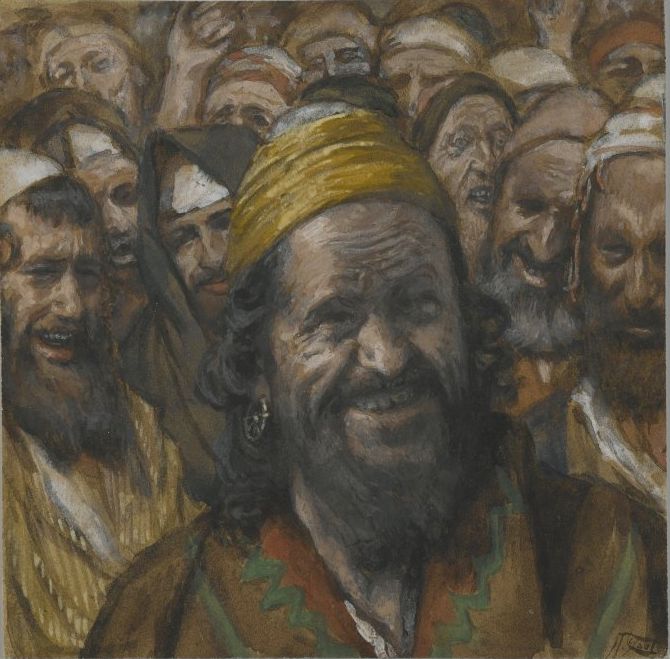

Name and textual issues
The name "Barabbas" is derived from an Aramaic construction meaning "son of the father" (bar + abba). Some ancient manuscript traditions add the name "Jesus" before Barabbas, producing the reading "Jesus Barabbas." Modern scholars note that this variant appears in some copies of the Gospels and that other copies omit the first name, so the original form is uncertain. The possibility that two men named Jesus were presented to the crowd—"Jesus Barabbas" and "Jesus of Nazareth"—has been a subject of literary and theological commentary.
Gospel accounts and differing descriptions
All four canonical Gospels recount the crowd choosing the release of Barabbas over Jesus, but they describe his crimes differently. One Gospel identifies him emphatically as an insurrectionist; another calls him a robber; a third emphasizes murder associated with an uprising. These variations reflect differences of emphasis among the evangelists and provide insight into how early Christian writers portrayed both Jesus and his opponents.
Historical and social context
The incident is set in Roman-ruled Judea during the governorship of Pontius Pilate. The Gospels place the event around the time of Jesus' execution. Scholars consider several background factors when interpreting the story, including Roman legal practices, the politics of crowd dynamics in occupied cities, and Jewish festival customs that could permit amnesties or releases during major feasts. Whether a formal custom of releasing a prisoner at Passover existed is debated; the story functions within the narrative to contrast two alternatives presented to the populace.
Theological and literary significance
For Christian readers the episode often functions symbolically: the crowd's choice to free a condemned criminal rather than the innocent Jesus highlights themes of substitution, injustice and the reversal of expectations. The possible pairing of two figures both called "Jesus" amplifies literary interest: the crowd appears to choose between two very different models—one associated with violence or rebellion, the other with nonviolence and suffering.
Cultural reception and interpretation
Barabbas has appeared in art, literature, and film as a symbol of the crowd, contested justice, or misplaced loyalties. Interpretations differ widely: some writers emphasize his role as an insurrectionist opposed to Roman rule, others treat him as a minor character whose release simply moves the passion narrative forward. Historical reconstructions remain cautious because the Gospels are theological documents as well as historical sources.
Key distinctions and further reading
- The primary sources for Barabbas are the four Gospels in the Bible.
- The episode is tied to the narrative of Jesus' trial and execution.
- Descriptions of Barabbas include labels such as thief, insurrectionist and, in some sources, a zealot or rebel.
- The crowd's solicited preference and Pilate's response are often discussed in studies of Roman provincial governance and legal procedure.
For general readers, the Barabbas episode raises enduring questions about responsibility, popular opinion under occupation, and how short narrative details in the Gospels have influenced centuries of theological reflection and cultural representation. Further exploration can compare the Gospel texts and consult scholarly treatments for manuscript differences and historical reconstructions. See also the trial narratives and discussions of capital punishment in the Roman world in introductory biblical studies resources reputation and interpretation and analyses of the passion narrative in modern commentaries crucified.
Additional materials sometimes explore Barabbas as a symbol: whether as a rebellious nationalist or as a figure whose freedom underscores the theological theme of substitution. For background on the Roman governor who presided over the trial, see references to Pilate and provincial administration; for related political context, consult sources on uprisings and popular movements in Judea. More interpretive treatments consider how the brief but dramatic choice presented in the Gospels has shaped liturgy, art and popular imagination over the centuries zealot, thief.
Note: links in this entry point to thematic resources and research aids identified by placeholder tags for further reading: Bible, Jesus, scholarship, thief, insurrection, zealot, Pontius Pilate, Judea, crucified.
Related articles
Author
AlegsaOnline.com Barabbas: prisoner released instead of Jesus in the canonical Gospels Leandro Alegsa
URL: https://en.alegsaonline.com/art/8843