
Judea: the historical highlands around Jerusalem
Judea (Hebrew Yehudah) is the ancient, mountainous region around Jerusalem, spanning parts of modern Israel and the Palestinian West Bank with long religious, cultural and political significance.
Overview
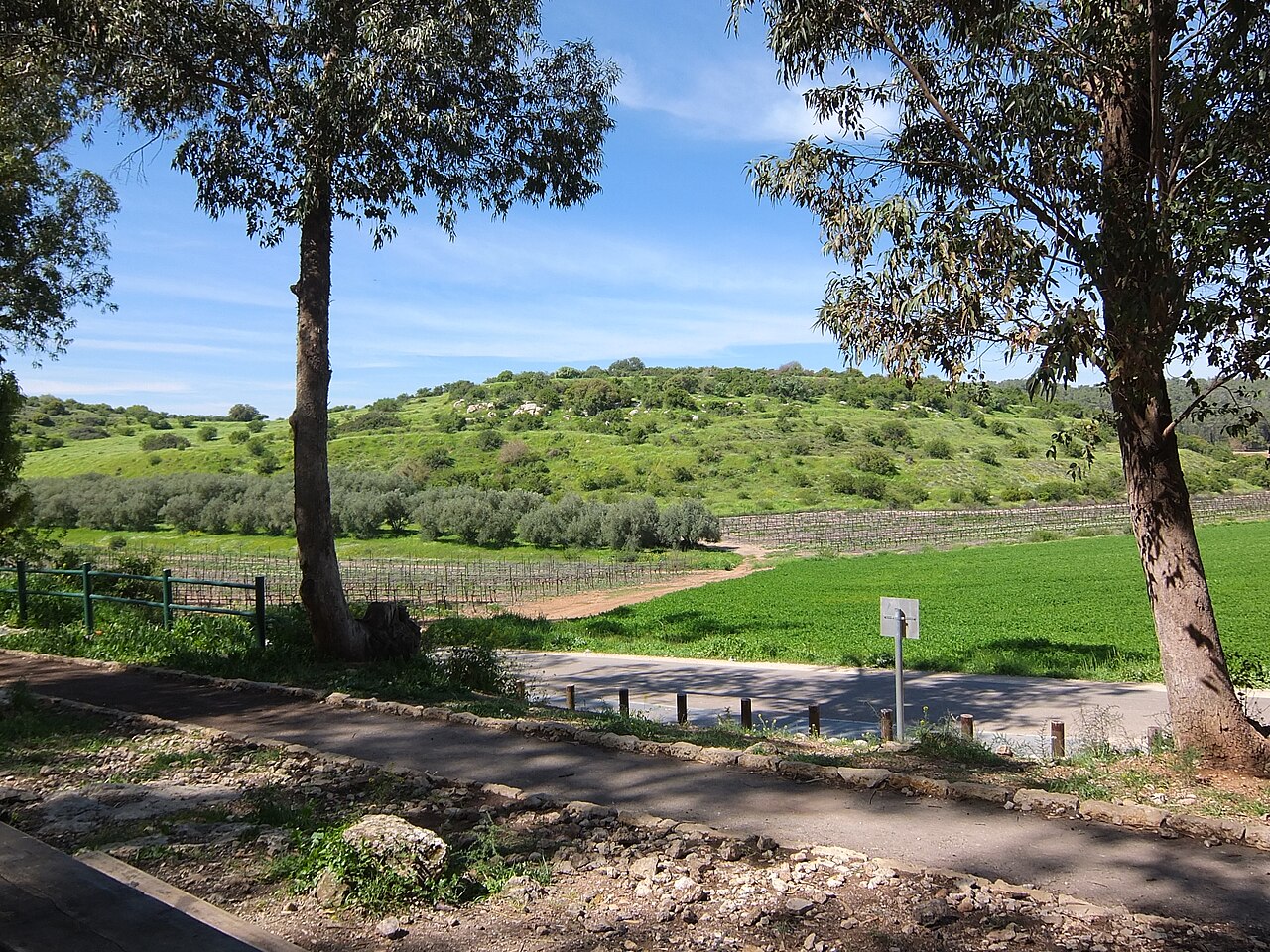
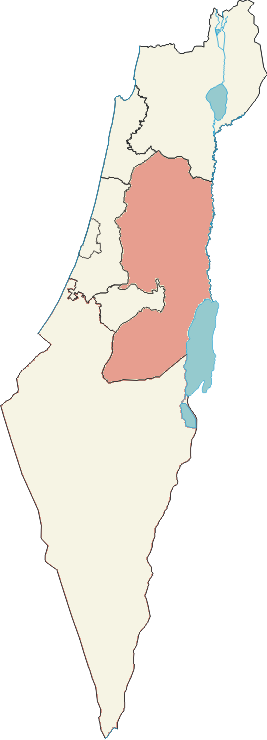
Judea, known in Hebrew as Yehudah, refers to the historic highland region surrounding Jerusalem. It is characterized by rugged hills, valleys and a Mediterranean climate and lies within the boundaries of present-day Israel and the West Bank administered by the Palestinian authorities in parts. The name and identity of Judea have been used in religious, historical and political contexts for millennia.
Image gallery
6 Images



Geography and characteristics
Judea is a predominantly mountainous area with terraced slopes, limestone and terra rossa soils. Its elevations and rainfall patterns differentiate it from the surrounding coastal plain and the Jordan Rift Valley. Major towns historically and today include Jerusalem and Hebron, and the landscape hosts olive groves, ancient terraces and archaeological sites.
History and development
The region served as the core of the ancient Kingdom of Judah and later as a province under successive empires. Important episodes include the Babylonian exile in the 6th century BCE, the return and rebuilding in the Persian period, the Second Temple era, and the shifts of control under Hellenistic and Roman rule. Judea figures prominently in Jewish, Christian and early Islamic histories.
Importance and modern usage
Judea retains deep religious significance for Judaism and Christianity and contains numerous pilgrimage sites. In modern political and administrative discourse the term appears alongside Samaria; for example, some contemporary administrative names reference "Judea and Samaria" when describing parts of the West Bank. The region's archaeology and heritage make it a focus for scholarship and tourism.
Notable distinctions
- Judea vs. Samaria: Judea denotes the southern highlands; Samaria refers to the central hills to the north.
- Terminology: "Judea" can mean a historical province, a cultural area, or a modern geopolitical term depending on context.
- Conservation: its landscape and ancient sites are subjects of preservation and study.
For further reading and source materials consult regional surveys and historical overviews available through academic and public resources: see entries on the Hebrew name Yehudah, the mountainous region, and local studies of Jerusalem, Israel, the Palestinian territories and the West Bank.
Questions and answers
Q: What was Judea?
A: Judea was the ancient name of the mountainous area surrounding Jerusalem.
Q: What is the significance of Judea?
A: It is an important historical and religious region, as it is mentioned in the Bible and is the birthplace of Judaism.
Q: What does the name "Judea" mean?
A: The name "Judea" comes from the Hebrew word "Yehudah," which means "praise" or "thanks."
Q: Where is Judea located today?
A: Judea is located in present-day Israel and the Palestinian West Bank.
Q: Who were the inhabitants of Judea?
A: The ancient inhabitants of Judea were primarily Jewish, although there were also non-Jewish populations in the region.
Q: What is the cultural significance of Judea?
A: Judea is considered a holy place by Jews and Christians, as it is home to important religious sites and events.
Q: Is Judea still an important region today?
A: Yes, Judea remains an important region politically, religiously, and culturally in the Middle East.
Related articles
Author
AlegsaOnline.com Judea: the historical highlands around Jerusalem Leandro Alegsa
URL: https://en.alegsaonline.com/art/51407