
Search for Extra-Terrestrial Intelligence (SETI)
SETI encompasses scientific searches for signs of intelligent life beyond Earth, using radio, optical and data-driven methods, public participation projects, and specialized observatories to detect technosignatures.
The Search for Extra-Terrestrial Intelligence (SETI) is a field of observational and computational research that seeks evidence of technologically capable life beyond Earth. Rather than searching for microbial biosignatures, SETI focuses on technosignatures—deliberate or incidental signals such as narrow-band radio transmissions, pulsed lasers, or unusual modulation patterns—that could reveal intelligence. Work in SETI draws on astronomy, engineering, signal processing and social considerations about how to interpret and respond to a detection.
Image gallery
10 Images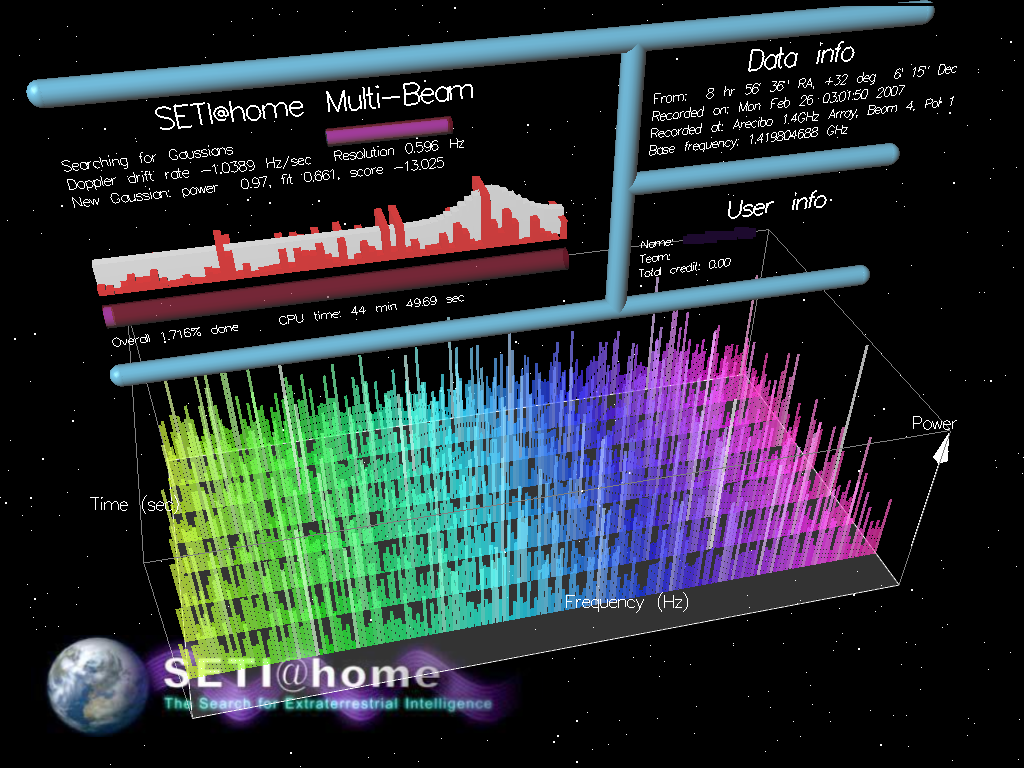



Origins and historical highlights
The modern scientific interest in interstellar communication began with theoretical proposals that certain radio frequencies would be well suited for long-distance signaling, followed by early targeted observations led by radio astronomers. Notable milestones include initial experiments that pointed radio antennas at nearby Sun-like stars and the development of the Drake Equation as a framework to discuss the variables that govern the likelihood of detectable civilizations. Over decades, several candidate events—most famously a strong unexplained radio blip often called the "Wow!" signal—have provoked interest and follow-up study but no confirmed contact.
Methods and infrastructure
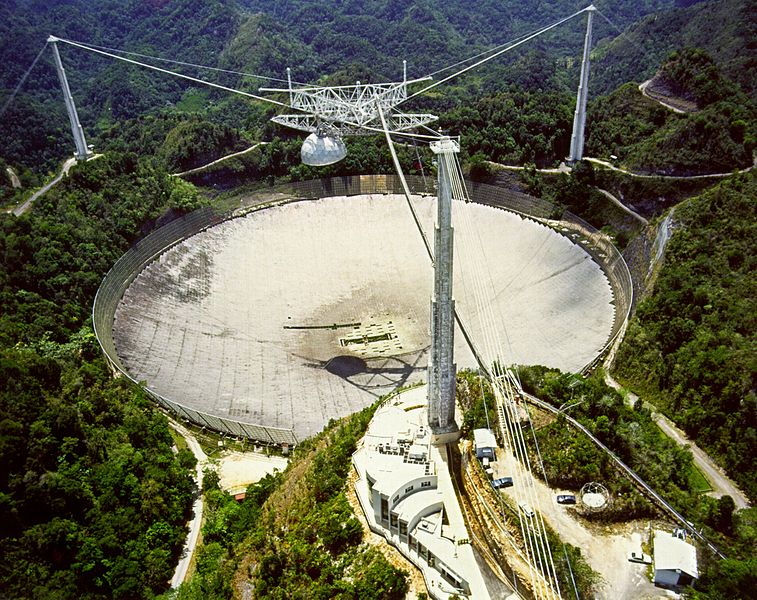
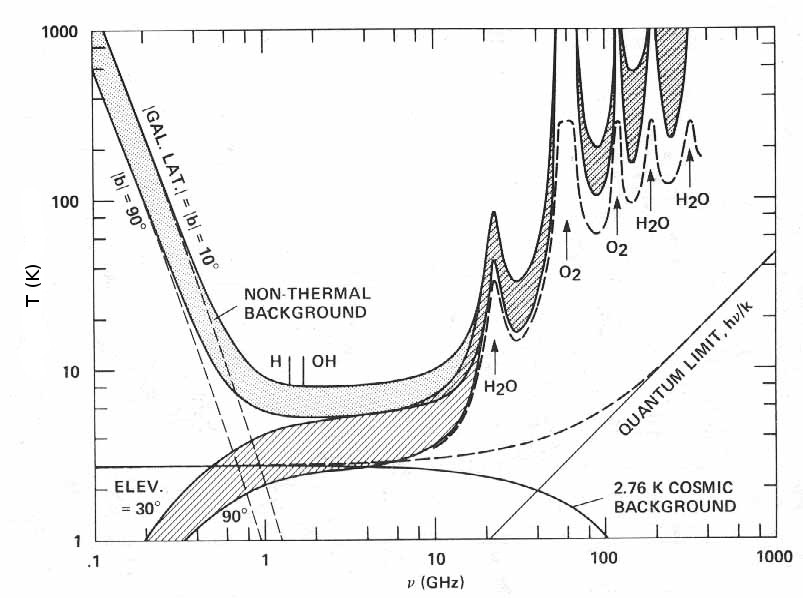
SETI uses a range of observational strategies and instruments. Radio SETI surveys scan frequencies where cosmic and terrestrial noise are lowest, while optical SETI looks for brief, bright laser pulses. Instruments include dedicated arrays and shared-use radio telescopes; some projects also comb archival data for anomalies. Computational analysis and pattern recognition are central, because potential signals must be separated from natural astrophysical sources and human-made radio-frequency interference.
- Radio searches: narrow-band and broadband spectral analysis.
- Optical searches: short-duration laser pulse detection.
- Data-driven methods: distributed computing and machine learning.
Distributed participation and software
Citizen science has played an important role in SETI. Programs have allowed individuals to contribute computing power or to help classify candidate signals. One well-known example enabled volunteers to run analyses on their home computers to search for radio patterns; that project invited public participation and fostered interest in distributed research efforts. These volunteer computing efforts often run on general volunteer platforms, which provide infrastructure and work distribution for many scientific projects.
Challenges, governance and significance
SETI faces technical hurdles—separating genuine extraterrestrial technosignatures from terrestrial interference, coping with vast search parameter spaces, and the enormous distances that attenuate signals. It also raises governance and philosophical questions about whether humans should actively send messages (a topic sometimes called METI) and how to coordinate an international response. Despite uncertainties, SETI has cultural and scientific significance: it drives technological innovation in signal processing, encourages public engagement with astronomy, and frames fundamental questions about life's prevalence in the universe.
Further reading and ways to get involved
For an overview of contemporary projects, community resources and research institutions active in this area, see general SETI information pages and institutional portals. To explore citizen-science options or to learn about volunteer computing initiatives that have supported SETI analyses, consult dedicated project pages and volunteer platforms. Examples of relevant resources include public project descriptions and distributed computing frameworks that partner with scientific teams.
Learn more: SETI overview and institutional resources; explore public participation projects such as community computing initiatives for SETI analysis and the platforms that host volunteer science efforts via shared distributed computing infrastructure.
Related articles
Author
AlegsaOnline.com Search for Extra-Terrestrial Intelligence (SETI) Leandro Alegsa
URL: https://en.alegsaonline.com/art/88342