
Shani (Saturn): Hindu Deity, Astrological Influence, and Cultural Role
Shani, the Hindu deity identified with the planet Saturn, is a prominent graha in Jyotiṣa associated with karma, discipline, and Saturday; worship and astrological beliefs surround his influence and iconography.
Shani is one of the Navagraha, the nine principal celestial forces in classical Hindu astrology (Jyotiṣa). Identified with the planet Saturn, Shani is traditionally seen as a stern regulator of karma whose motion and placement in a birth chart are thought to shape long-term experiences of delay, responsibility, and maturation. In many Indian languages the word Shani also denotes Saturday, the day associated with this graha.
Image gallery
10 Images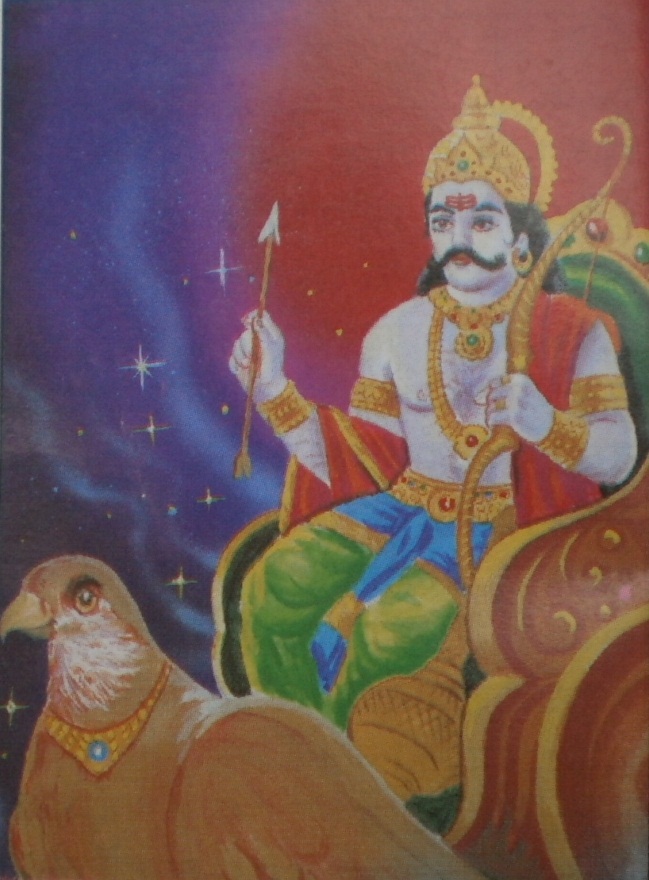





Astrological role and characteristics
In astrological practice, Shani embodies themes of endurance, restriction, justice, and teaching through hardship. Astrologers often associate Saturn’s influence with career, obligations, limitations, and the slow unfolding of consequences over time. A well-known traditional cycle linked with Shani is sade sati, a period considered to bring significant change and testing when Saturn transits key areas of an individual’s chart.
Iconography and symbols
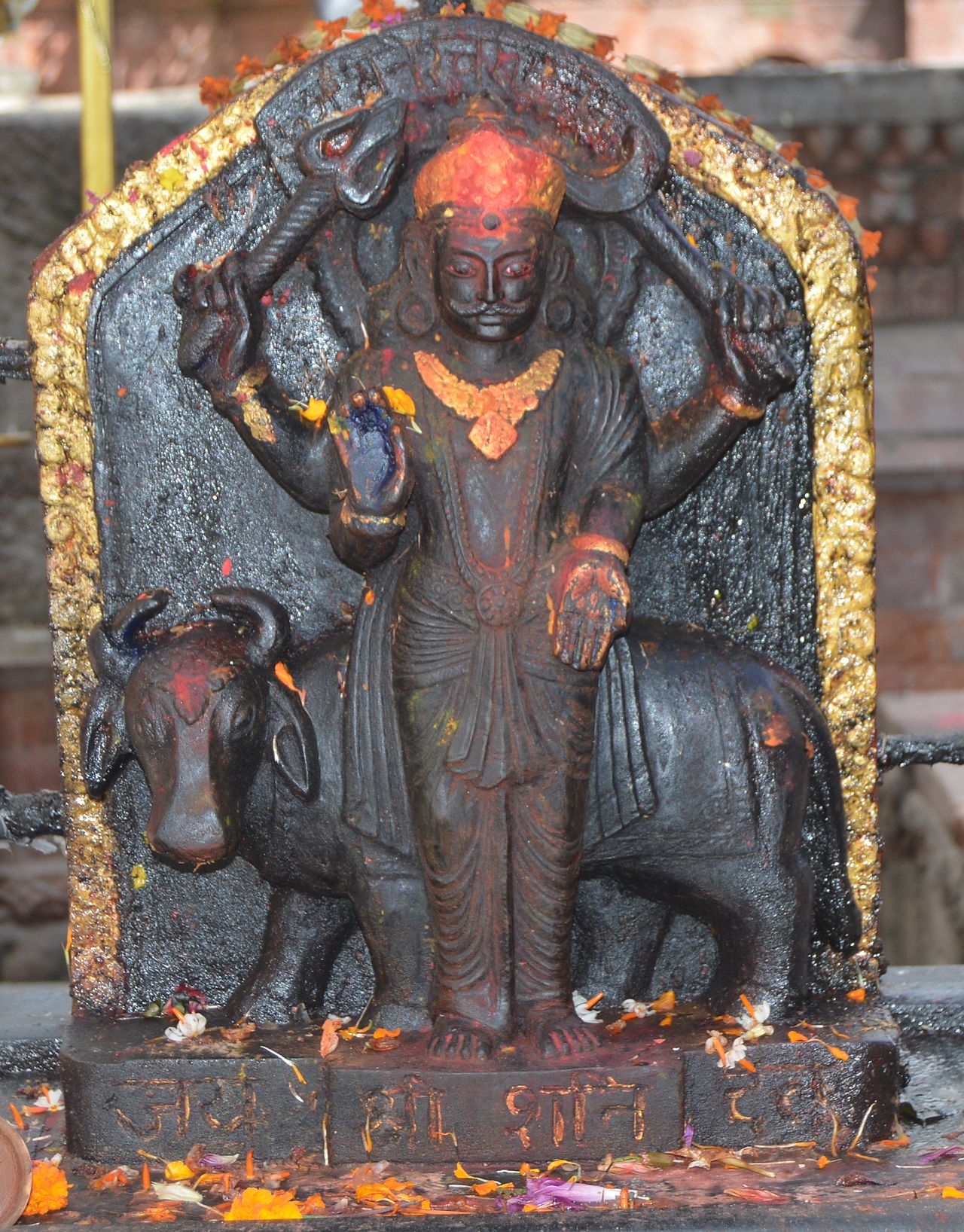
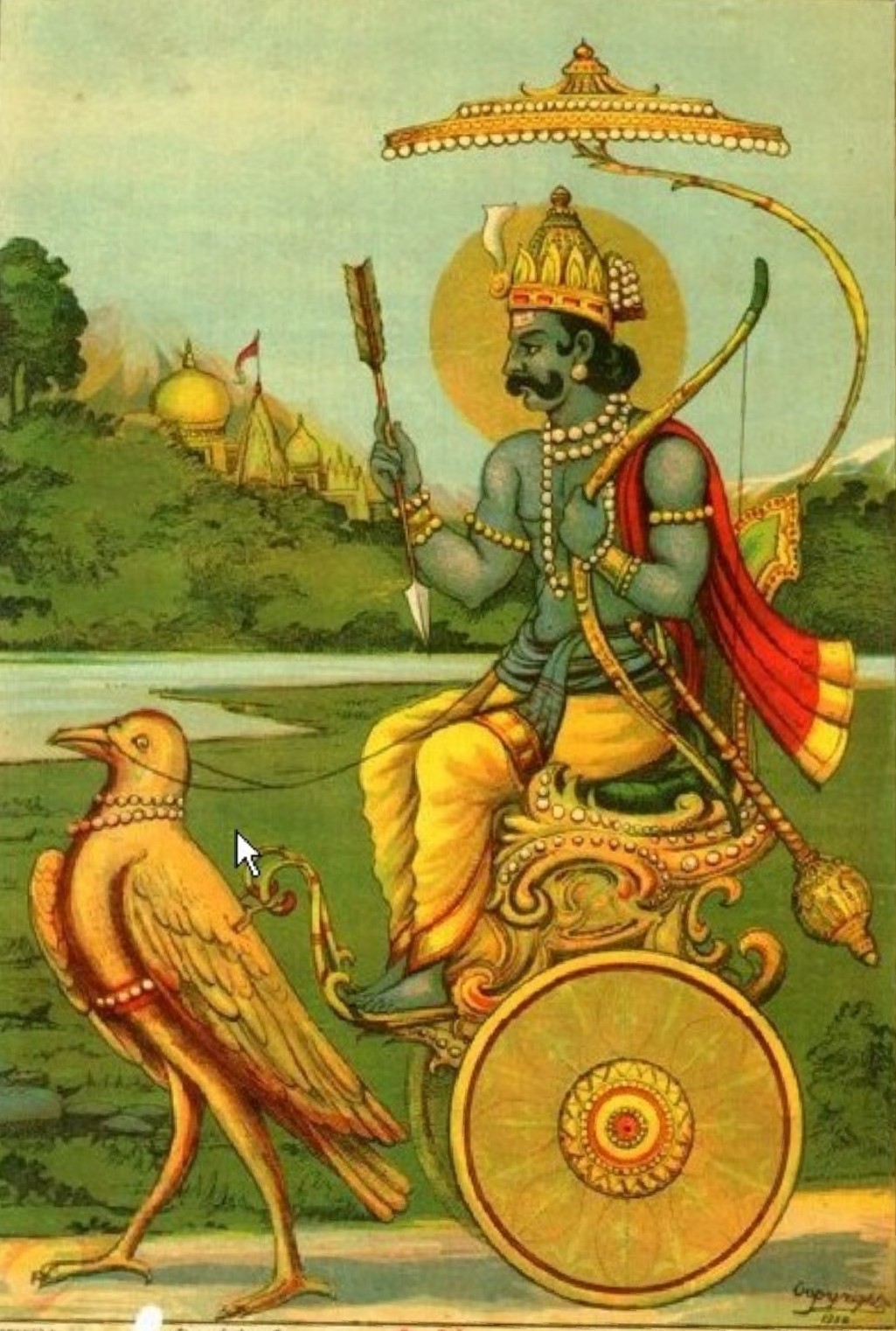
Artistic depictions of Shani vary, but common elements include a dark or sombre complexion and austere expression. Typical attributes and symbols connected with Shani include:
- a staff or rod, representing authority and discipline;
- a bow or trident in some representations;
- a vahana (vehicle) such as a crow or raven, animals traditionally linked with the deity;
Mythology and origins
In Puranic narratives Shani is described as the son of the sun god (Surya) and his consort’s shadow or handmaiden. Stories about Shani emphasize his impartiality and the weight of consequences: he is portrayed as a dispenser of results that correspond to a person’s deeds, acting without favoritism. These accounts have shaped popular perceptions of Shani as both feared and respected.
Worship, remedies, and cultural practices
Devotees approach Shani with a mixture of devotion and caution. Traditional practices intended to appease or mitigate difficult Saturnine influences include visiting temples on Saturdays, offering black sesame seeds or castor oil, and reciting specific prayers or mantras. Communities may observe fasts or give charity on days associated with Shani; such remedies are part of long-standing religious customs rather than guaranteed outcomes.
Temples, festivals, and modern perspectives
Temples dedicated to Shani exist across the Indian subcontinent and attract pilgrims seeking relief from perceived astrological hardships. In contemporary discourse, some interpret Shani’s symbolism psychologically: periods attributed to Saturn are seen as opportunities for discipline, responsibility, and inner growth rather than only punishment. For contextual information on Shani among the other astral influences, see the broader entry on the Navagraha.
Related articles
Author
AlegsaOnline.com Shani (Saturn): Hindu Deity, Astrological Influence, and Cultural Role Leandro Alegsa
URL: https://en.alegsaonline.com/art/89466