
Screech owl (Megascops): small nocturnal owls of the Americas
Screech owls (genus Megascops) are small, ear-tufted owls native to the Americas. This article covers their appearance, behavior, taxonomy, range, and interactions with people and ecosystems.

Overview
Screech owls are a group of small to medium-sized owls in the family Strigidae, placed in the genus Megascops. There are roughly two dozen recognized living species (about 24), and ornithologists continue to refine their number and relationships as new populations are studied, particularly in mountainous regions such as the Andes. They are strictly New World birds, found throughout much of the Americas.
Image gallery
8 Images


Appearance and behavior
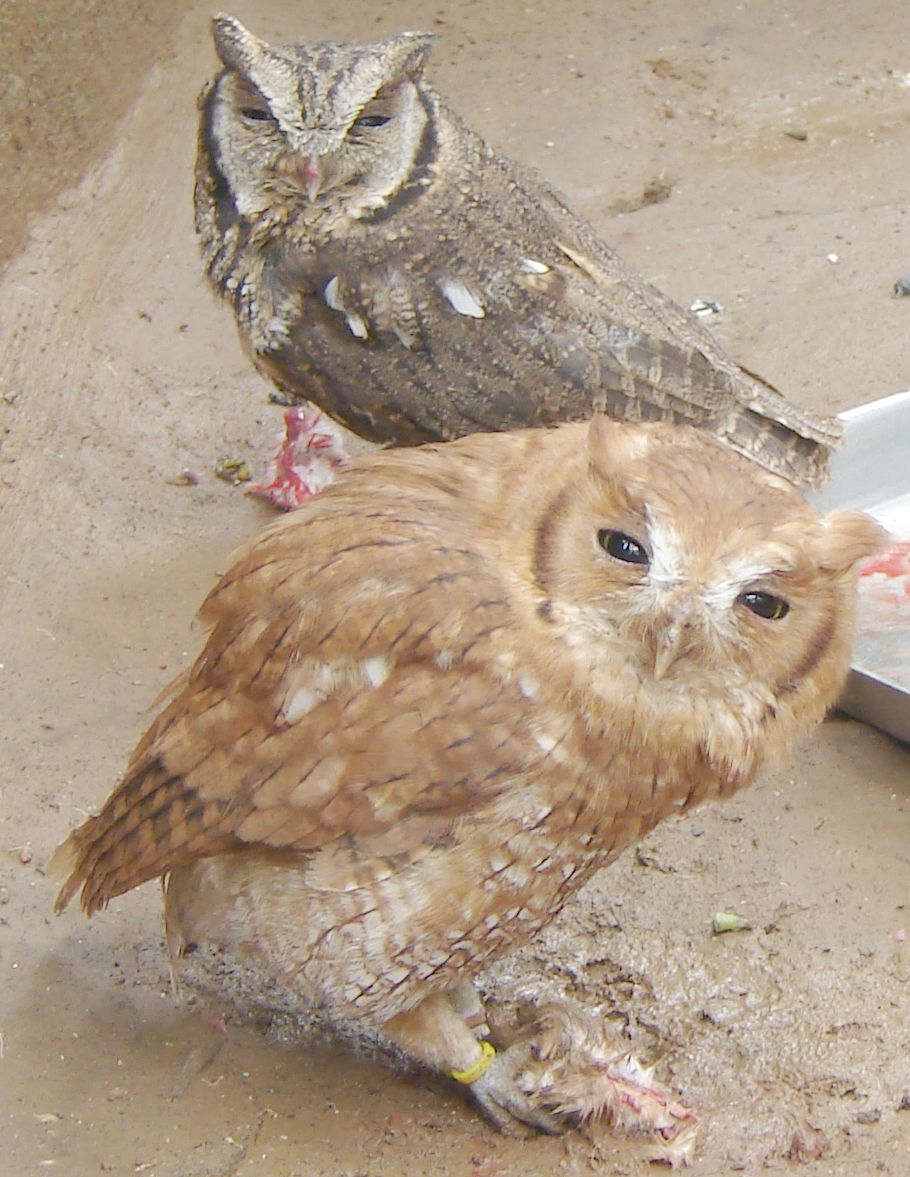
Screech owls are compact, with relatively large heads and prominent ear tufts that can be raised or flattened. Their plumage is cryptic—mottled browns, grays or rufous tones—that helps conceal them in tree cavities and bark. Most species are nocturnal or crepuscular and use a variety of vocalizations: a series of trills, whinnies, or short, descending whistles rather than the loud, long roars associated with larger owls.
Diet, nesting and life history
They are primarily insectivorous, taking moths, beetles and other large insects, but many species also capture small mammals, birds and reptiles when available. Screech owls commonly nest in tree cavities, abandoned woodpecker holes, or nest boxes; they do not build elaborate nests. Clutch size is modest and parental care includes feeding and brooding by both adults until fledging.
Taxonomy and historical context
Historically screech owls were once grouped with Old World scops owls because of similar size and ear tufts, but modern studies of anatomy and genetics have clarified that Megascops forms a distinct New World lineage within Strigidae. The common English name "screech owl" can be confusing: it is sometimes applied locally to unrelated species such as barn owls, but barn owls belong to a separate family (Tytonidae) and differ in vocalizations, morphology and behavior.
Distribution, conservation and human interactions
Screech owls occupy diverse habitats from woodlands and suburban parks to montane forests. Some species tolerate human-altered landscapes and will use nest boxes, which makes them familiar in backyard birding. Conservation status varies by species: habitat loss, fragmentation and secondary effects such as reduction of prey can threaten local populations, while others remain common. Their role as insect and rodent predators makes them valuable in natural pest control and an appreciated part of local biodiversity.
Key characteristics at a glance
- Genus: Megascops; family: Strigidae.
- About 24 recognized species (sources vary), primarily in the Americas.
- Notable for ear tufts, cryptic plumage, and diverse vocal patterns.
- Often discovered as new taxa in complex regions such as the Andes.
For more general identification tips and regional species lists, consult local field guides or ornithological resources linked through authoritative databases and conservation groups.
Related articles
Author
AlegsaOnline.com Screech owl (Megascops): small nocturnal owls of the Americas Leandro Alegsa
URL: https://en.alegsaonline.com/art/88202