
Scott County, Kentucky
Scott County is a county in north-central Kentucky with a county seat at Georgetown. Known for its Bluegrass landscape, growing population (47,173 at the 2010 census) and a mix of education and manufacturing.
Overview
Scott County is a county located in the north-central part of the U.S. state of Kentucky, lying within the wider Bluegrass region. At the time of the 2010 census, the county recorded a population of 47,173. The county seat and largest city is Georgetown, which serves as the administrative and cultural center of the county.
Image gallery
2 Images
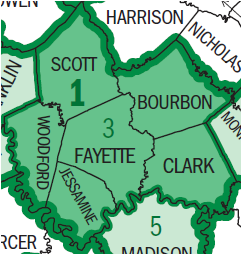
Geography and communities
The county's landscape is typical of Kentucky's inner Bluegrass: rolling pasturelands, limestone soils, and mixed hardwoods. Settlement is concentrated in a few small cities and many unincorporated communities. Major population centers and communities include:
- Georgetown — the county seat and principal urban center.
- Stamping Ground and other small incorporated towns.
- Several rural neighborhoods, farms, and suburban developments spreading toward nearby Lexington.
History
Scott County was established soon after Kentucky became a state and was named for Charles Scott, a Revolutionary War officer and an early political leader in Kentucky. Over the 19th and 20th centuries the county retained an agricultural character while its towns grew as local service and trade centers. More recently, suburban growth from the Lexington area and new industry have changed its economy and demographics.
Economy and culture
The county economy blends traditional agriculture, education, and light to heavy manufacturing. Georgetown is home to a liberal arts institution, Georgetown College, and the area hosts at least one major automotive assembly and supplier presence, which brought new jobs and population growth in the late 20th century. Local culture emphasizes Bluegrass heritage, equine interests, and small-town festivals.
Government, demographics and notable facts
Scott County is governed by an elected fiscal court and county officials consistent with Kentucky county structures. Demographically the county has grown steadily in recent decades as metropolitan Lexington expanded outward. Notable aspects include its role in the Lexington-Fayette metropolitan area, a mix of historic downtowns and modern industry, and educational institutions that contribute to community life.
Further reading
For official statistics, historical records and visitor information, consult county government pages and local historical societies. Regional planning documents and college resources also provide detailed perspectives on Scott County's development and current priorities.
Related articles
Author
AlegsaOnline.com Scott County, Kentucky Leandro Alegsa
URL: https://en.alegsaonline.com/art/88105
Sources
- quickfacts.census.gov : "State & County QuickFacts"
- naco.org : "Find a County"