
Scrapie: a transmissible neurodegenerative disease of sheep and goats
Scrapie is a fatal, transmissible neurodegenerative disease of sheep and goats caused by misfolded prion proteins. This article explains signs, causes, history, diagnosis, control and differences from BSE.
Overview
Scrapie is a progressive, fatal disease that primarily affects the central nervous system of sheep and goats. It belongs to the group of transmissible spongiform encephalopathies and is associated with abnormal, infectious proteins called prions. For basic guidance and regulatory information see disease overview.
Image gallery
4 Images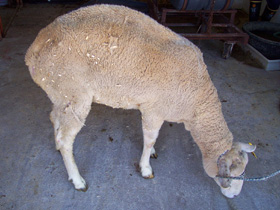


Clinical features and course
Animals affected by scrapie develop behavioral changes, pruritus (intense itching), abnormal gait, tremors and eventually profound neurological dysfunction. Signs typically progress slowly over months to years. Producers commonly notice wool loss from rubbing and wasting as late-stage signs. Key affected tissues and systems are detailed in reviews of the nervous system.
Cause and transmission
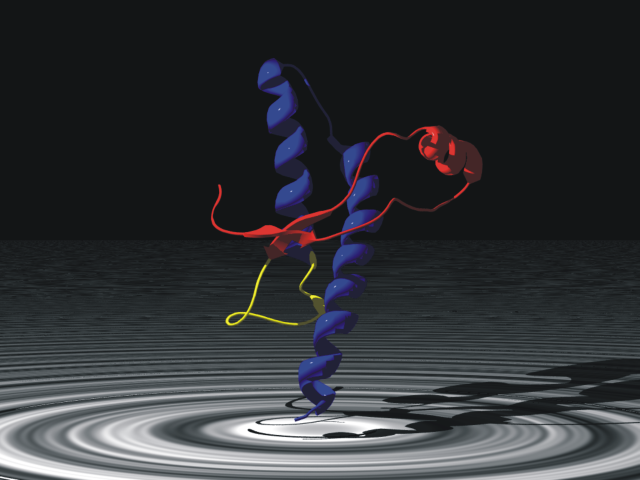
Current evidence implicates misfolded prion protein as the infectious agent. These prions induce normal host proteins to adopt an abnormal conformation, accumulating in central nervous system tissue and lymphoid organs. More on prion biology is available at prion resources. Transmission can occur horizontally between animals and vertically via placenta or milk under some circumstances.
History and relationship to bovine diseases
Scrapie has been recognized for centuries and was described in the 18th century. It is often compared with bovine spongiform encephalopathy (BSE, “mad cow diseaseâ€) because both involve prions; see comparative material at BSE comparisons. Although related, scrapie and BSE differ in species affected and in some epidemiological features; BSE primarily affects cattle.
Diagnosis, control and significance
Definitive diagnosis requires laboratory testing of brain or lymphoid tissue. Control relies on surveillance, selective breeding for resistant genotypes, culling of affected flocks, and movement controls. Because prions are unusually resistant to standard disinfectants, strict biosecurity and regulatory measures are important to limit spread and protect flocks.
Questions and answers
Q: What is scrapie?
A: Scrapie is a fatal disease that affects the nervous system of sheep and goats.
Q: What animals are affected by scrapie?
A: Scrapie affects sheep and goats.
Q: When was scrapie first described?
A: Scrapie was first described in 1732.
Q: Is scrapie similar to Mad cow disease?
A: Yes, scrapie is similar to Mad cow disease which affects cattle.
Q: What seems to be involved in transmitting scrapie?
A: Prions seem to be involved in transmitting scrapie.
Q: Is scrapie a curable disease?
A: No, scrapie is a fatal disease and there is currently no cure.
Q: Can humans be infected with scrapie?
A: There is no evidence to suggest that humans can be infected with scrapie.
Related articles
Author
AlegsaOnline.com Scrapie: a transmissible neurodegenerative disease of sheep and goats Leandro Alegsa
URL: https://en.alegsaonline.com/art/88184