
Scaffold: temporary work platforms and access structures
A scaffold is a temporary elevated structure that provides access and support for construction, maintenance, events, and other tasks. Materials, types, safety and historical uses vary by region and era.
Overview
A scaffold is a temporary structure designed to provide access, a working surface and support for people, materials or equipment while tasks are carried out at height or in hard‑to‑reach places. Commonly associated with construction, scaffolds range from simple planks on poles to engineered modular systems. The general purpose is captured in the phrase temporary structure, which emphasizes that scaffolds are not permanent parts of buildings.
Image gallery
10 Images





Types and main components
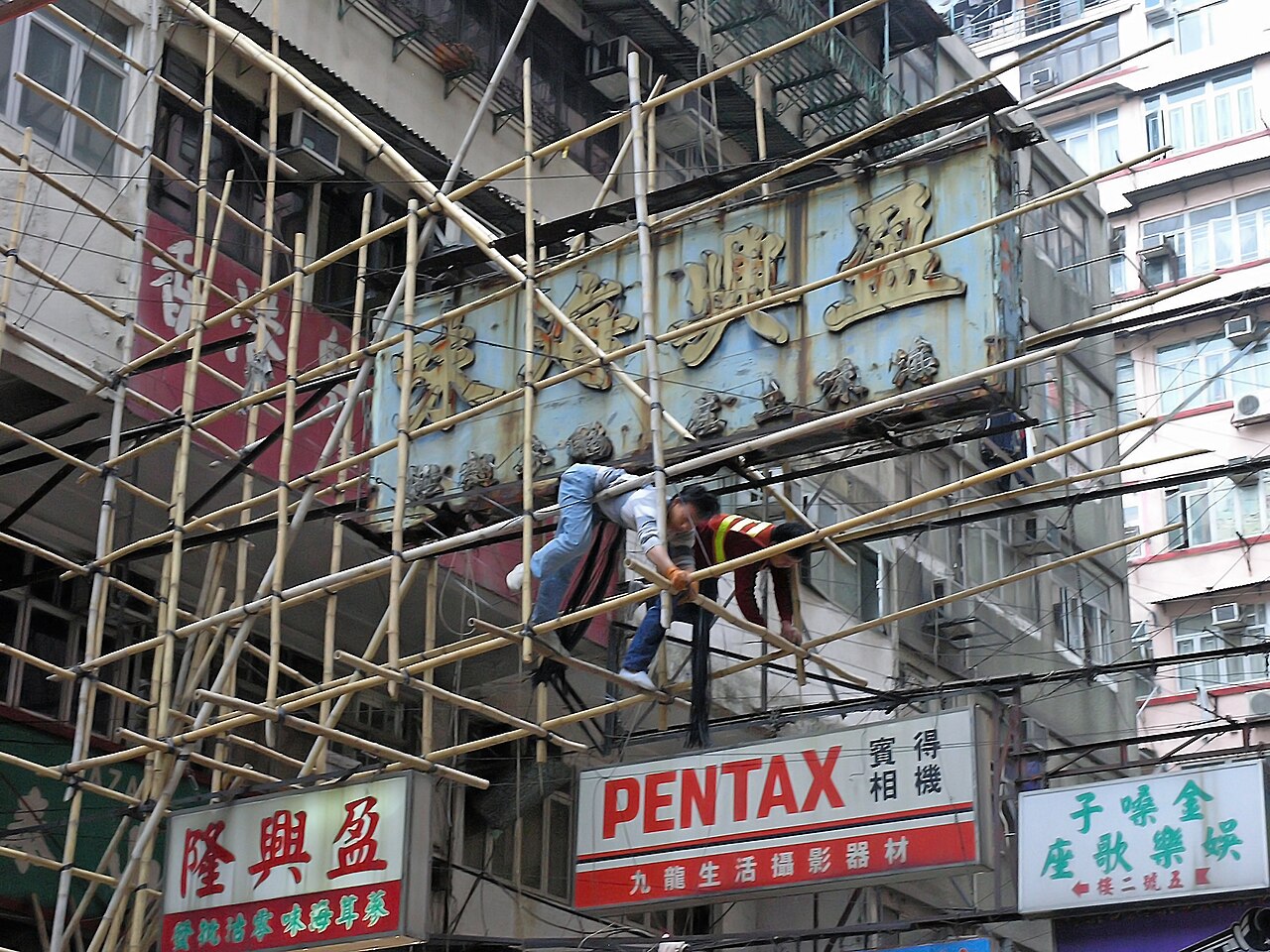
Scaffolds are built in many forms to suit different jobs and sites. Typical systems include supported (frame, tube-and-clamp), suspended, mobile (tower), and special-purpose scaffolds. Traditional materials such as wood and bamboo are still used in some regions, while industrialized systems usually use metal elements. Key components are platforms (planks or decks), guardrails, ledgers, standards or uprights, ties to the structure and base plates or casters.
Construction, materials and support
Properly built scaffolds transfer loads to foundations and to the structure being worked on. They must account for live loads (workers and equipment) and environmental forces such as wind. Securing and bracing, correct planking, and adequate tie points are essential for stability and support. Modular systems are designed to be assembled and dismantled efficiently while maintaining rated load capacities.
History and other meanings
Scaffolds have a long history in civil engineering and shipbuilding. In earlier centuries, simple timber stages were commonplace. The word also historically described raised wooden platforms used for public executions; that obsolete sense of scaffold is sometimes illustrated by references to the execution platform. Over time, industrialization brought standardized metal scaffolding and safety regulations.
Uses and examples
- Building construction, repair and facade work, including masonry and building maintenance.
- Painting, window cleaning and restoration on historic structures.
- Temporary stages or access in industrial plants, shipyards and during events.
- Emergency access and rescue operations where ladders are insufficient.
Safety, regulations and notable distinctions
Scaffold safety is governed by regulations and industry standards that specify design loads, guardrail heights, inspection intervals and worker training. Fall protection, competent supervision and frequent inspections reduce the risk of collapse and falls. Distinctions between system types (supported vs suspended, stationary vs mobile) determine how they are used and what safety measures are required.
In practice, choosing a scaffold involves balancing access needs, site constraints, material availability and regulatory requirements. Whether using traditional bamboo in some regions or engineered metal systems elsewhere, the objective remains the same: provide secure, temporary access and working space to complete tasks safely and efficiently.
Related articles
Author
AlegsaOnline.com Scaffold: temporary work platforms and access structures Leandro Alegsa
URL: https://en.alegsaonline.com/art/87737