
Seating capacity: limits, measurement, and examples
Seating capacity is the maximum number of people who can be seated in a given space, set by physical layout, safety codes, and design. This article explains how capacity is determined, examples, and related distinctions.
Seating capacity is the maximum number of people who can be seated in a particular space at one time. It is a practical and legal concept used for vehicles, buildings, and outdoor venues. The figure may be driven by the number of fixed seats, available floor area, compliance with safety and accessibility codes, or a combination of these factors. Seating capacity is often published by venue operators, printed on vehicle specifications, or imposed by regulatory authorities.
Image gallery
4 Images


How capacity is determined
Determining seating capacity typically involves several considerations: the number of fixed seats, the usable area for temporary or movable seating, sightlines and comfort, and safety requirements such as clear exit routes. Building and fire codes play a central role: they translate occupant loads into required means of egress and minimum aisle widths. For vehicles and aircraft, manufacturers and aviation authorities certify a maximum seating configuration based on design, weight and balance, and safety equipment availability.
Factors that affect seating capacity
- Fixed seating: seats permanently installed (e.g., in many theaters and stadiums).
- Usable area: for flexible-floor venues, capacity may be calculated from square footage and a required area per person.
- Temporary seating: portable chairs, risers, or bleachers can raise capacity for specific events.
- Standing room: some places sell standing-room tickets; these increase attendance but are distinct from seating capacity.
- Accessibility: space must be allocated for wheelchair users and accessible routes, which affects total seat counts.
Examples and notable cases
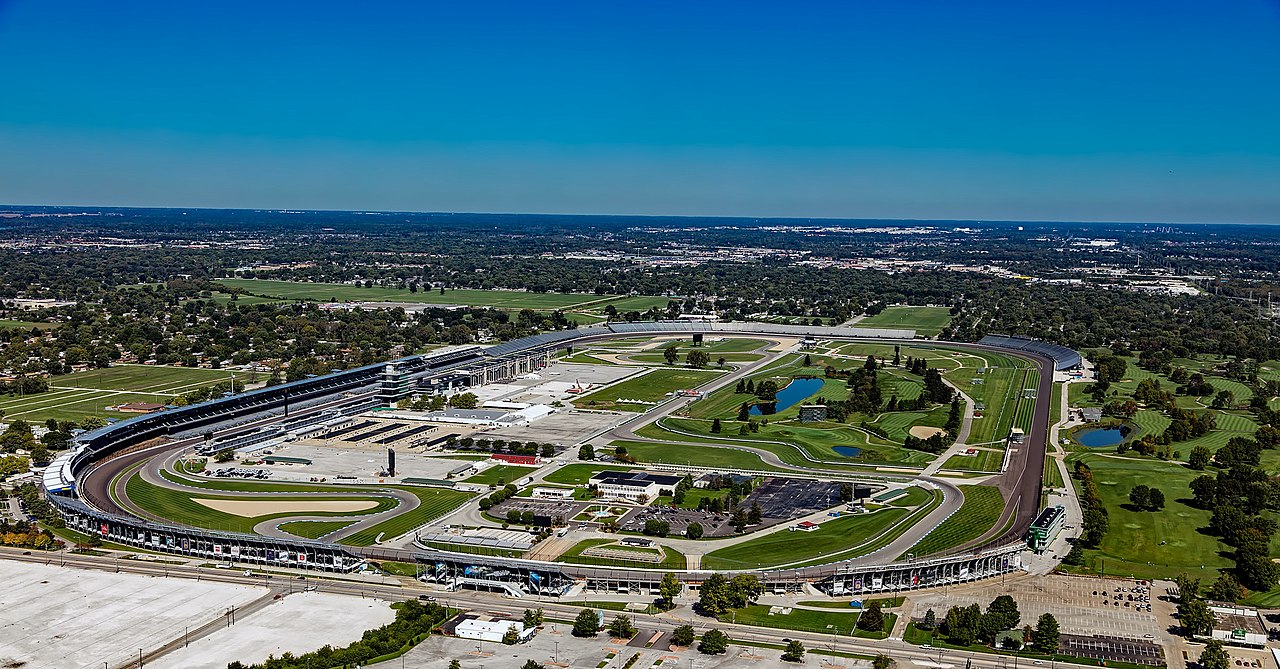
Seating capacity applies across many contexts. In vehicles it tells how many passengers a car or bus is designed to carry; for aviation it is part of a type certificate and cabin evacuation planning — aircraft must demonstrate safe evacuation with the certified number of seats. For public venues, capacity numbers range from small club rooms to major sports facilities. For example, large racetracks and stadiums publish both permanent seating and expanded figures when temporary seating or field seating is added. One of the best-known large venues, the Indianapolis Motor Speedway, lists a permanent seating capacity measured in the hundreds of thousands, with higher totals possible using infield seating. Similar categories include an stadium designed for sporting events or an automobile whose passenger count is specified by the manufacturer.
Safety, regulation, and terminology
Seating capacity is closely tied to terms such as occupancy limit, maximum safe capacity, and ticketed attendance. Authorities may set legal occupancy limits that differ from the number of seats—for instance, an older hall might have many fixed chairs but a lower legal occupancy because of inadequate exits. Event organizers and venue owners must ensure that seating arrangements comply with local codes, that emergency exits are unobstructed, and that any temporary increases in seating are approved. Misrepresenting or exceeding capacity can lead to fines, revocation of permits, or safety hazards during evacuations.
In practice, seating capacity is both a design parameter and an operational constraint. It helps determine pricing, ticketing strategies, staffing levels, and emergency planning. When planning events or designing spaces, professionals balance comfort, sightlines and accessibility with the practical and legal limits established by codes and certificates.
Related articles
Author
AlegsaOnline.com Seating capacity: limits, measurement, and examples Leandro Alegsa
URL: https://en.alegsaonline.com/art/88370