
Seismic retrofit: strengthening existing structures against earthquakes
Seismic retrofit modifies existing structures to reduce earthquake damage and related wind hazards. It covers assessment, common techniques, regulatory issues, costs, examples, and how retrofits protect lives and property.
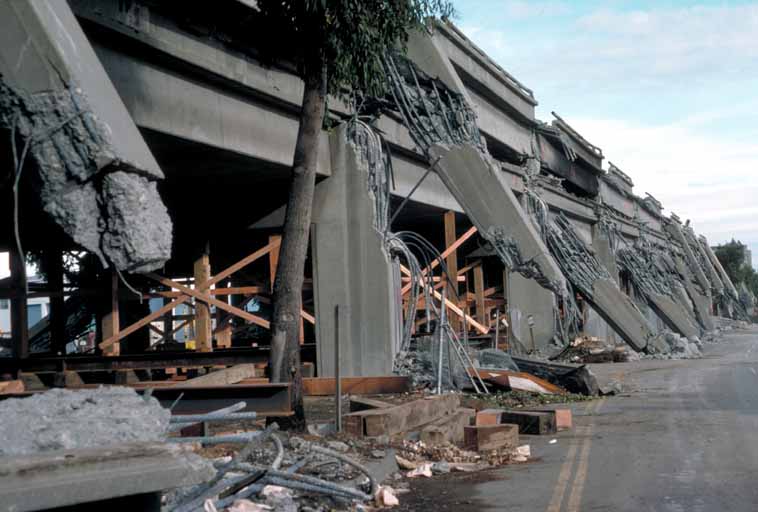
Overview: Seismic retrofit refers to the process of modifying existing buildings and other structures to reduce their vulnerability to shaking and collapse during earthquakes. Rather than replacing a structure, retrofitting adapts and reinforces it so that it performs more safely when subjected to seismic forces. The goal is to protect occupants, reduce economic loss, and maintain essential services.
Image gallery
10 Images



Common techniques and components
Retrofitting can involve many approaches depending on the type and condition of a building. Typical measures include:
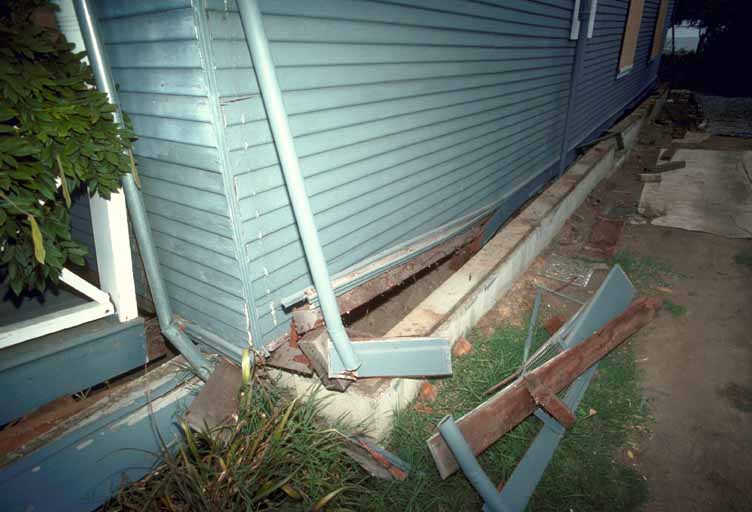
- Strengthening of foundations and adding shear walls or bracing to resist lateral loads.
- Securing non-structural elements (e.g., mechanical systems, facades, and ceilings) to prevent falling hazards.
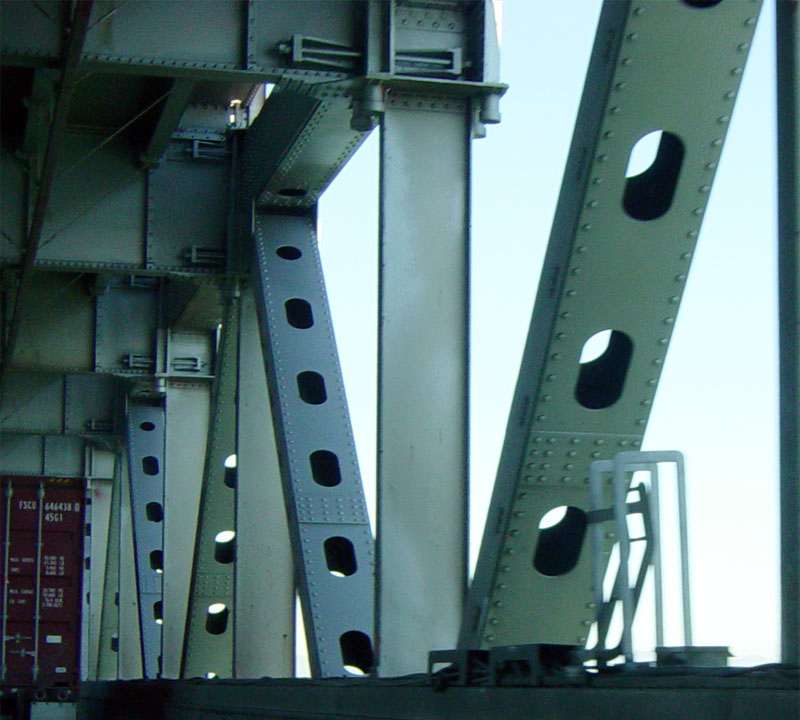
- Installing base isolators, energy dissipating dampers, or moment-resisting connections to control motion.
- Improving floor and roof diaphragms and tying them to walls and foundations.
Assessment and implementation
Successful retrofit begins with a seismic assessment: examining the building’s materials, structural system, soil conditions and intended use. Engineers develop a prioritized plan that balances performance objectives, budget and disruption. Typical project steps are:
- Site and structural evaluation.
- Design of retrofit measures and permits.
- Construction, testing and final inspection.
Broader uses: While focused on earthquakes, many retrofit strategies also improve resistance to other hazards. For example, anchoring and reinforcement reduce damage from tornadoes, and improvements to connections and cladding help structures withstand strong winds and severe thunderstorms.
History and importance: Seismic retrofit practice evolved after major earthquakes demonstrated predictable failure modes in older construction. Modern codes and retrofit programs aim to reduce collapse risk in historic, residential, commercial and public buildings. While cost and disruption are considerations, retrofits deliver long-term benefits by saving lives, lowering repair costs after events, and preserving critical infrastructure.
Questions and answers
Q: What is seismic retrofitting?
A: Seismic retrofitting is the process of modifying existing buildings to make them resistant to earthquakes.
Q: What are the other natural disasters that seismic retrofitting techniques can be applied to?
A: Seismic retrofitting techniques can also be applied to tornadoes and strong winds from thunderstorms.
Q: What is the purpose of seismic retrofitting?
A: The purpose of seismic retrofitting is to make existing buildings resistant to earthquakes.
Q: How does seismic retrofitting work?
A: Seismic retrofitting involves modifying existing buildings using techniques that make them resistant to earthquakes.
Q: Why is seismic retrofitting important?
A: Seismic retrofitting is important because earthquakes can cause serious damage to buildings and infrastructure, and retrofitting can prevent this damage and save lives.
Q: Are there any other benefits of seismic retrofitting?
A: Yes, seismic retrofitting can also increase the value and longevity of buildings.
Q: Can seismic retrofitting be applied to all types of buildings?
A: Yes, seismic retrofitting can be applied to all types of buildings, including residential and commercial structures.
Related articles
Author
AlegsaOnline.com Seismic retrofit: strengthening existing structures against earthquakes Leandro Alegsa
URL: https://en.alegsaonline.com/art/88607
Sources
- nisee.berkeley.edu : Earthquake-Resistant Construction
- central.nees.org : Earthquake Performance Evaluation Tool Online (EPETO)