
São Carlos
São Carlos is a municipality in São Paulo state, Brazil, noted for its universities and technology-focused economy. Population ~246,088 (2017); area 1,137 km²; about 230 km from the city of São Paulo.

Overview
São Carlos is a municipality in the inland region of the state of São Paulo, Brazil. It covers 1,137 km² and had an estimated population of 246,088 in 2017. The city lies roughly 230 km from the city of São Paulo (about 143 miles), making it an important regional center for education, research and services.
Image gallery
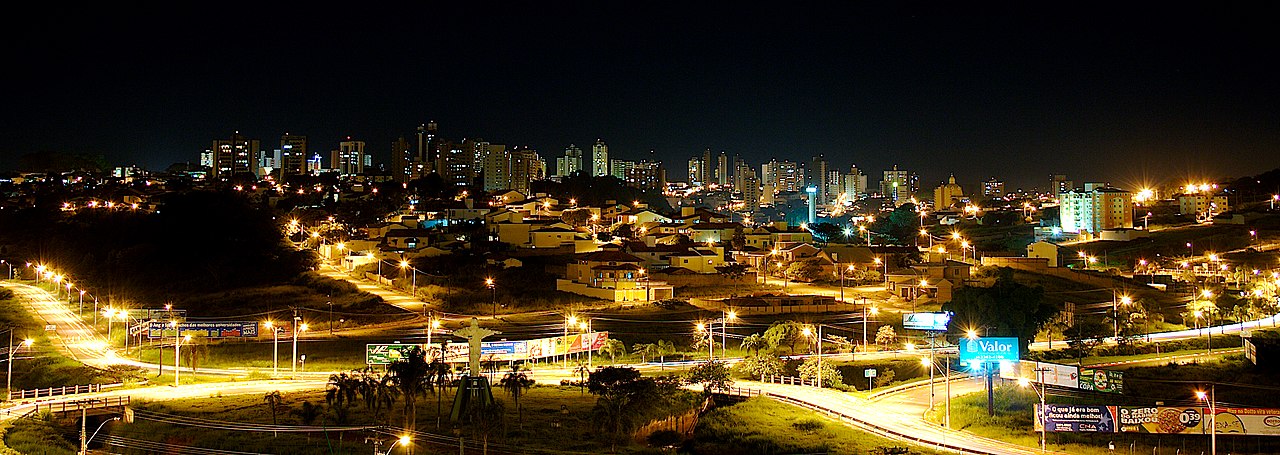
4 Images


Geography and demography
Soon Carlos combines urban neighborhoods with surrounding rural and agricultural zones. The municipal territory is large relative to its population, resulting in a mix of urban infrastructure and peri-urban landscapes. Demographic growth has been tied to the expansion of higher education and technology sectors.
History and development
The settlement that became São Carlos grew during the 19th century and expanded in subsequent decades as transport routes and agricultural production developed across the region. Over time the city shifted from an agrarian base toward a more diversified economy driven by services and knowledge industries.
Education, research and institutions
São Carlos is best known as an academic and scientific hub. Major higher-education campuses and research centers attract students, faculty and technicians from across Brazil. Key features include:
- Universities and university campuses focused on engineering, natural sciences and technology.
- Research laboratories and partnerships between academia and industry that support innovation and startups.
- A local cultural scene shaped by a large student population and research community.
Economy and transport
The local economy blends education, research, technology-based manufacturing, services and surrounding agriculture. Good highway connections link São Carlos to larger markets, facilitating commuting, freight and collaboration with firms in the broader state. The presence of technical schools and research labs supports a workforce with specialized skills.
Notable facts
The city is often described as a regional technology and research center because of its concentration of universities and specialized firms. Visitors and researchers find a city whose identity combines academic life, industrial activity and cultural offerings.
Related articles
Author
AlegsaOnline.com São Carlos Leandro Alegsa
URL: https://en.alegsaonline.com/art/87225