
São José, Santa Catarina: city overview and regional role
São José is a municipality in the state of Santa Catarina, Brazil, forming part of the Greater Florianópolis metropolitan area. This article outlines its geography, history, economy and regional significance.
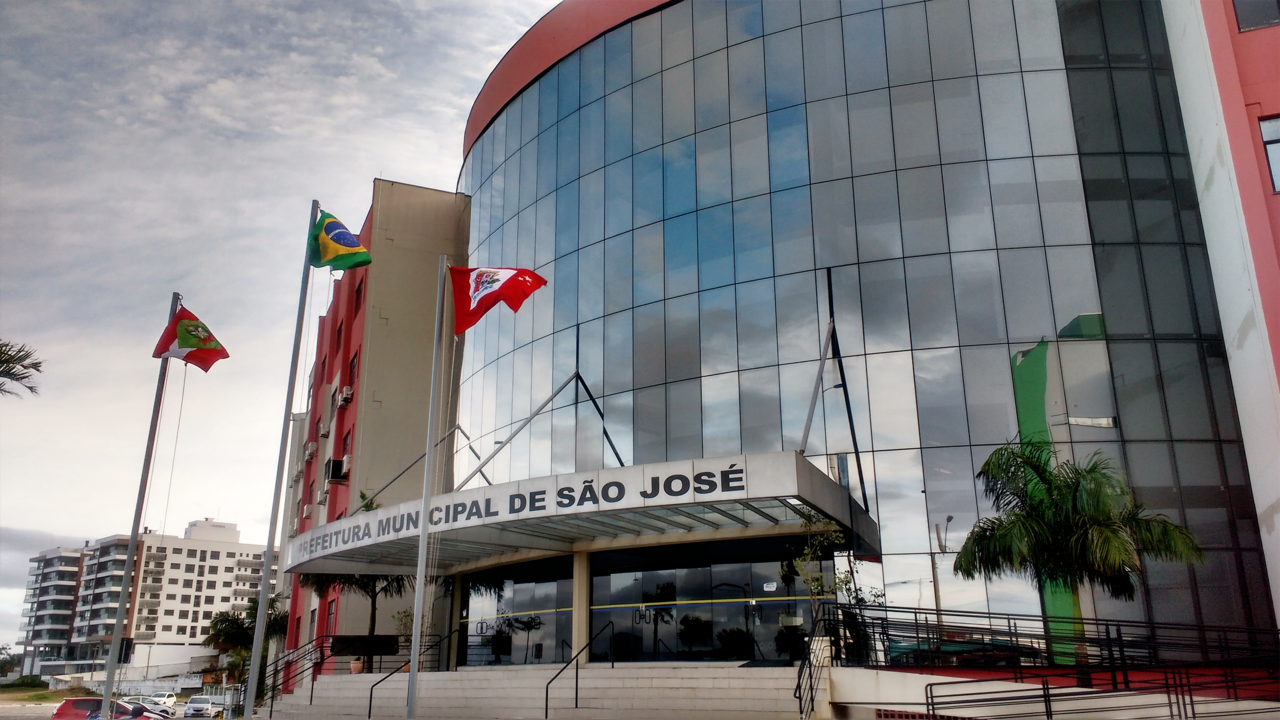
Overview: São José is a coastal municipality in the Brazilian state of Santa Catarina and belongs to the metropolitan region centered on the state capital. Located on the mainland shore opposite the island city of Florianópolis, São José functions as both a residential and industrial complement to the capital, and is woven into the broader urban network of southern Brazil.
Image gallery
9 Images




Geography and urban structure
The municipality occupies part of the coastal plain and margins of coastal lagoons. Its territory combines denser urban neighborhoods, industrial zones and pockets of preserved coastal vegetation. Proximity to the capital has shaped land use: some districts serve as commuter suburbs while others concentrate commerce and light manufacturing.
History and development
Colonial settlement in the region preceded modern municipal organization; over time São José grew from small settlements into an integrated commuter and industrial municipality as transport links and economic ties to the capital strengthened. Urban expansion accelerated with regional industrialization and the growth of services connected to the metropolitan core.
Economy, transport and services
The local economy combines commerce, service-sector activity, industry and logistics support for nearby ports and urban centers. Transportation connections to the island and to other coastal cities make São José an access point for commuters, freight and regional visitors. Infrastructure investment and metropolitan planning influence its ongoing role within the region.
Culture, institutions and notable facts
Cultural life reflects a mixture of coastal traditions and metropolitan diversity, with local festivals, community organizations and civic institutions serving residents. As part of the state of Brazil’s southern coastal corridor, São José participates in regional economic and cultural networks. The municipality exists alongside larger cities in Santa Catarina, such as Joinville, which is often cited as one of the state’s most populous urban centers.
- Role: residential, industrial and logistical support for the capital region.
- Landscape: coastal plain, urban neighborhoods and industrial areas.
- Significance: part of a consolidated metropolitan area that shapes planning and transport priorities.
Related articles
Author
AlegsaOnline.com São José, Santa Catarina: city overview and regional role Leandro Alegsa
URL: https://en.alegsaonline.com/art/87232