
São Gonçalo, Rio de Janeiro
Municipality on the eastern shore of Guanabara Bay in the state of Rio de Janeiro, Brazil. Overview of its geography, history, economy, culture, and contemporary challenges.
São Gonçalo is a major municipality in the state of Rio de Janeiro, in the southeastern region of Brazil. Located on the eastern shore of Guanabara Bay, it forms part of the Rio de Janeiro metropolitan area and is one of the most populous cities in the country. Official counts and demographic reports, referenced for planning and services, have recorded a population of around one million inhabitants at the start of the 21st century; it ranks as the second most populous municipality in the state after the capital Rio de Janeiro, according to municipal and census summaries (population source) and local government records (municipal information).
Image gallery
3 Images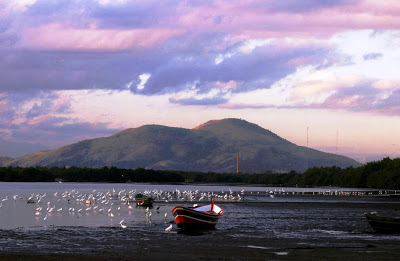


Geography and layout
The municipality occupies coastal and inland lowland areas, with a mostly urbanized landscape made up of residential neighborhoods, commercial corridors and pockets of light industry. Its position beside Guanabara Bay gives São Gonçalo strong transport and commuting links to nearby cities, and its urban fabric reflects decades of migration and suburban growth. Local green spaces, small rivers and the bay shoreline are interspersed among dense residential zones.
History and development
São Gonçalo grew from colonial-era settlements into a densely populated municipality through waves of migration and economic change in the 20th century. Its name derives from a Christian saint, and its historical evolution mirrors broader regional patterns of agricultural land use giving way to urban expansion, industrialization and integration into the greater metropolitan economy.
Economy, services and infrastructure
Economic activity in São Gonçalo centers on commerce, services, small industry and public-sector employment. The city functions partly as a commuter base for workers who travel to neighboring municipalities, while local businesses serve the large resident population. Public transport, road arteries and regional connections are important for daily mobility; urban planning continues to address housing, traffic and utility demands as the city modernizes.
Culture, education and society
Cultural life includes popular festivals, religious events and community organizations typical of Brazilian urban areas; local schools, technical institutions and cultural centers contribute to education and civic life. Neighborhood associations, sports clubs and arts groups play a role in sustaining identity within a sprawling urban context.
Contemporary challenges and notable facts
Like many large Brazilian municipalities, São Gonçalo faces challenges such as infrastructure pressure, unequal access to services and concerns about public safety. At the same time, its size and location make it a significant part of the metropolitan economy and regional planning efforts. Visitors and researchers looking for official statistics, urban plans or municipal services can consult local authorities and the referenced sources above for current data.
- Second-most populous municipality in the state of Rio de Janeiro.
- Part of the Rio de Janeiro metropolitan area and located on Guanabara Bay.
- Balanced mix of residential, commercial and light industrial areas.
Questions and answers
Q: Where is São Gonçalo located?
A: São Gonçalo is a city in the state of Rio de Janeiro, Brazil.
Q: How is São Gonçalo pronounced in Portuguese?
A: São Gonçalo is pronounced as [sɐ̃w ɡõˈsalu] in Portuguese.
Q: What is the population of São Gonçalo as of 2009?
A: The population of São Gonçalo as of 2009 is 1,010,212 inhabitants.
Q: Is São Gonçalo the most populous city in Rio de Janeiro?
A: No, São Gonçalo is the second most populous city in the state after the capital, Rio de Janeiro.
Q: What is the capital of Rio de Janeiro?
A: The capital of Rio de Janeiro is Rio de Janeiro itself.
Q: What language do people in São Gonçalo speak?
A: As São Gonçalo is located in Brazil, people there speak Portuguese as their official language.
Q: What is the significance of the city of São Gonçalo?
A: The significance of the city of São Gonçalo lies in its high population and its ranking as the second most populous city in the state of Rio de Janeiro.
Related articles
Author
AlegsaOnline.com São Gonçalo, Rio de Janeiro Leandro Alegsa
URL: https://en.alegsaonline.com/art/87229
Sources
- ibge.gov.br : ibge.gov.br/
- ibge.gov.br : efault.php
- oglobo.globo.com : "Greve de garis espalha mais de 800 toneladas de lixo pelas ruas de São Gonçalo"
- jornal.ofluminense.com.br : "Moradores de São Gonçalo ainda sofrem com falta de coleta de lixo"