
Santa Maria, California: city profile and key facts
Santa Maria is a Central Coast city in Santa Barbara County known for agriculture, the Santa Maria Valley wine region, and a distinctive local barbecue tradition.
Overview
Santa Maria is a city on California's Central Coast, located in Santa Barbara County. It serves as a regional center for commerce and services for the surrounding agricultural valleys. The population is commonly cited at about 107,000 (2019 estimate). The city government is headed by a mayor and council; the mayor named in recent local sources is Alice Patino.
Image gallery
10 Images


Geography and climate
Set in a broad coastal valley, Santa Maria lies inland from the Pacific coast and is framed by rolling hills. The area experiences a Mediterranean-type climate with mild, wet winters and warm, dry summers. Proximity to the ocean often moderates temperatures and brings morning marine layers during parts of the year.
History and development
The community grew from 19th-century ranching and farming roots into a larger municipality during the 20th century as agriculture expanded and transportation links improved. The arrival of roads, rail connections, and later highways encouraged population growth, commercial development, and diversification of the local economy.
Economy, culture, and institutions
Agriculture remains a major economic driver: the Santa Maria Valley is known for vineyards and a recognized American Viticultural Area, along with vegetables and other crops. The city supports light industry, retail, education and health services. Key local institutions include community colleges and a regional airport that connect residents with nearby urban centers.
Government, services, and community life
Santa Maria operates with municipal services such as police, fire, parks, and planning departments. Public amenities include parks, recreational facilities and cultural programs that reflect the city's diverse population. Annual events and local food traditions contribute to civic identity.
Notable facts and distinctions
- Part of California's Central Coast agricultural corridor and home to a recognized wine-producing valley.
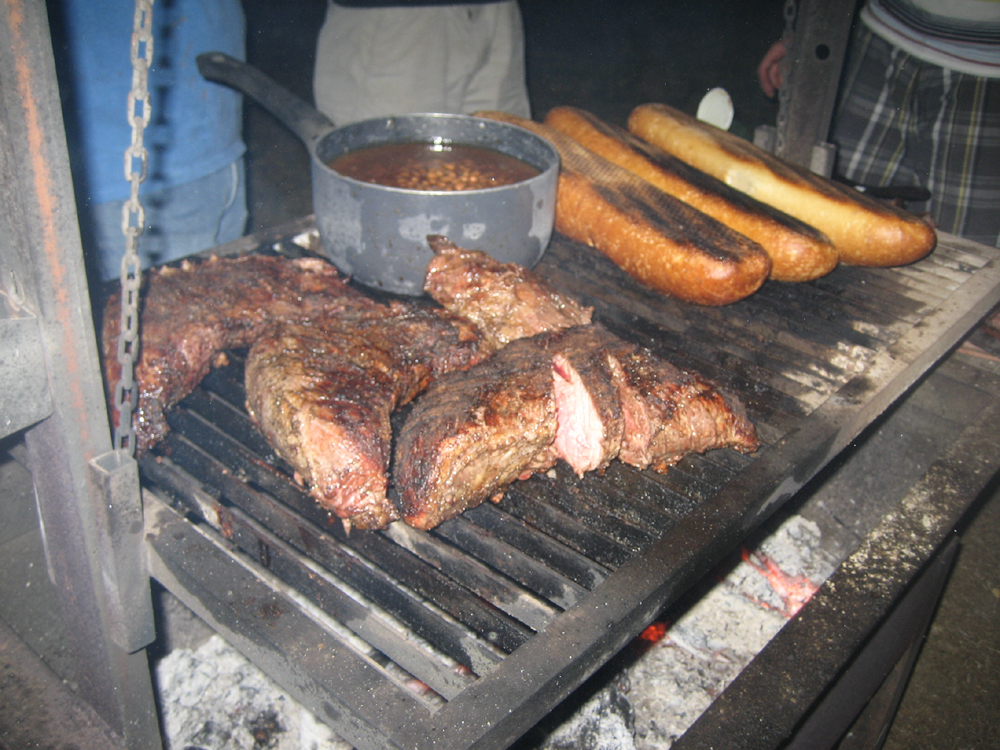
- Known regionally for a distinctive local barbecue style and broadly for its food and farming heritage.
- Serves as a commercial and service hub for surrounding communities and rural areas.
Together these elements make Santa Maria a city shaped by agriculture, transportation links, and a mix of residential and commercial growth, with a local culture tied closely to the land and its produce.
Related articles
Author
AlegsaOnline.com Santa Maria, California: city profile and key facts Leandro Alegsa
URL: https://en.alegsaonline.com/art/87141