
Santa Maria in Calanca — a mountain municipality in Graubünden, Switzerland
Santa Maria in Calanca is a small Italian-speaking municipality in the Calanca valley of the canton of Graubünden, Switzerland, known for steep terraces, traditional architecture and alpine culture.
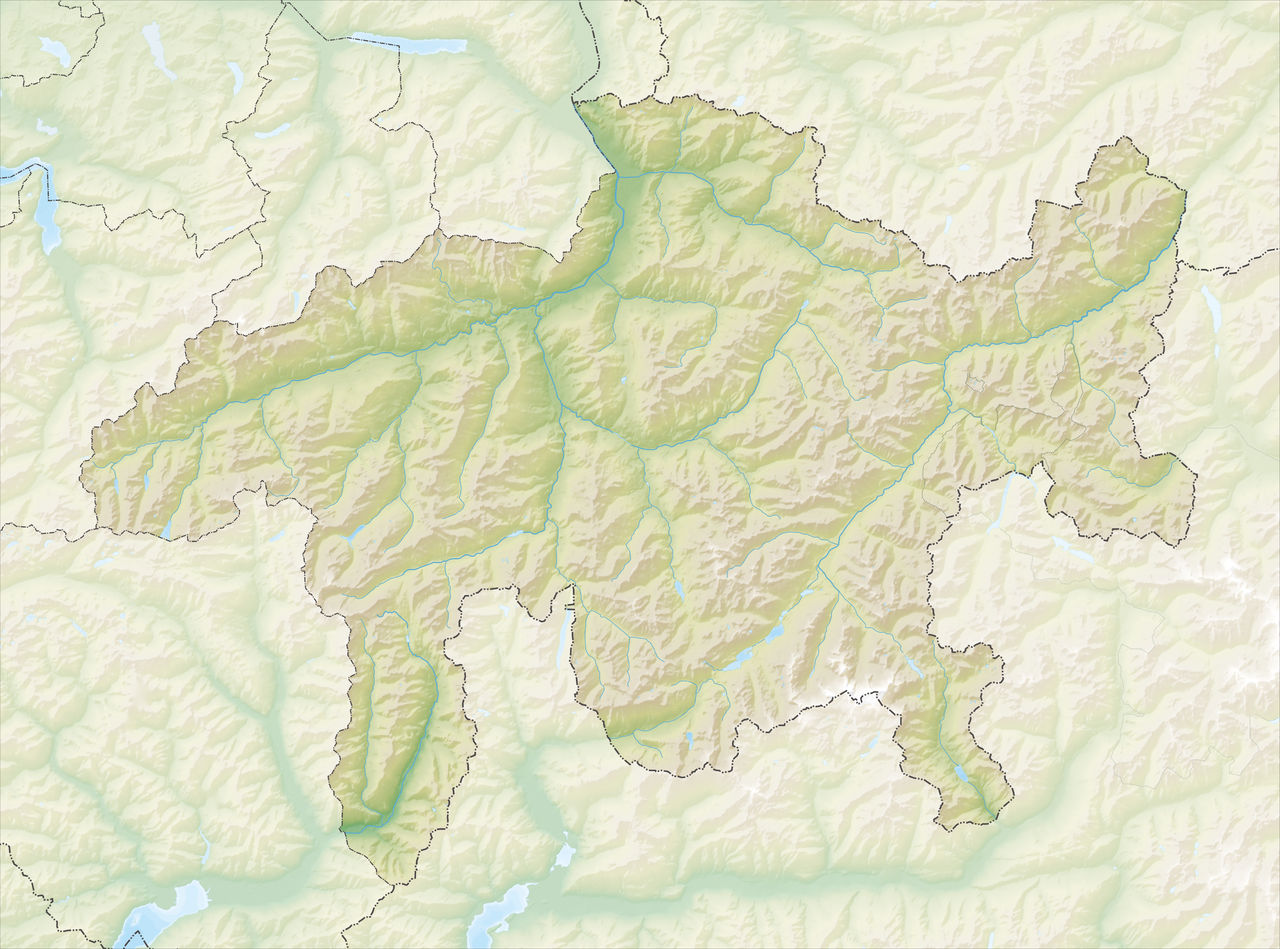
Santa Maria in Calanca is a small municipality in the Calanca valley of southern Graubünden, Switzerland. It lies within the Moesa administrative area and is part of the Italian-speaking portion of the canton. The community occupies steep valley slopes and narrow terraces that have shaped local agriculture, settlement patterns and traditional construction.
Image gallery
7 Images


Characteristics and landscape
The settlement is characterized by stone houses, narrow streets and terraces planted historically with vines and chestnut trees. Its mountain setting provides hiking paths, panoramic views and a climate influenced by lower-altitude southern exposures. Local life combines seasonal farming, forestry and services for residents and visitors.
History and cultural context
Like many villages in Val Calanca, Santa Maria developed from medieval farmsteads and small hamlets linked by mule tracks. Over centuries the community adapted to difficult terrain with terracing and communal land management. Architectural and religious heritage—including the parish church that gives the village its name—reflects the area's longstanding ties to Romanic and Italian-speaking traditions.
Economy and uses
Traditional activities included subsistence agriculture, chestnut cultivation and pastoralism; in recent decades, tourism, local crafts and commuters supplement incomes. The village serves as a base for valley exploration and cultural events that highlight alpine ways of life.
- Municipality information
- Moesa district/region
- Canton of Graubünden
- Calanca valley overview
- Switzerland general
Santa Maria in Calanca is representative of the small, well-preserved mountain communities that contribute to the linguistic and cultural diversity of Graubünden while offering access to alpine nature and traditional rural landscapes.
Related articles
Author
AlegsaOnline.com Santa Maria in Calanca — a mountain municipality in Graubünden, Switzerland Leandro Alegsa
URL: https://en.alegsaonline.com/art/87144
Sources
- bfs.admin.ch : "Arealstatistik Standard - Gemeinden nach 4 Hauptbereichen"
- bfs.admin.ch : "Ständige Wohnbevölkerung nach Staatsangehörigkeitskategorie Geschlecht und Gemeinde; Provisorische Jahresergebnisse; 2018"