
Santa Cruz Department (Bolivia)
Santa Cruz is Bolivia's largest and most economically dynamic department, in the eastern lowlands with a multicultural population, major agricultural and energy production, and the city Santa Cruz de la Sierra as its capital.
Overview
Santa Cruz is a department in eastern Bolivia that serves as the country’s principal economic engine and most populous region. The department’s administrative capital and largest city is Santa Cruz de la Sierra. For a general reference to the region, see Santa Cruz Department.
Image gallery
10 Images



Geography and environment
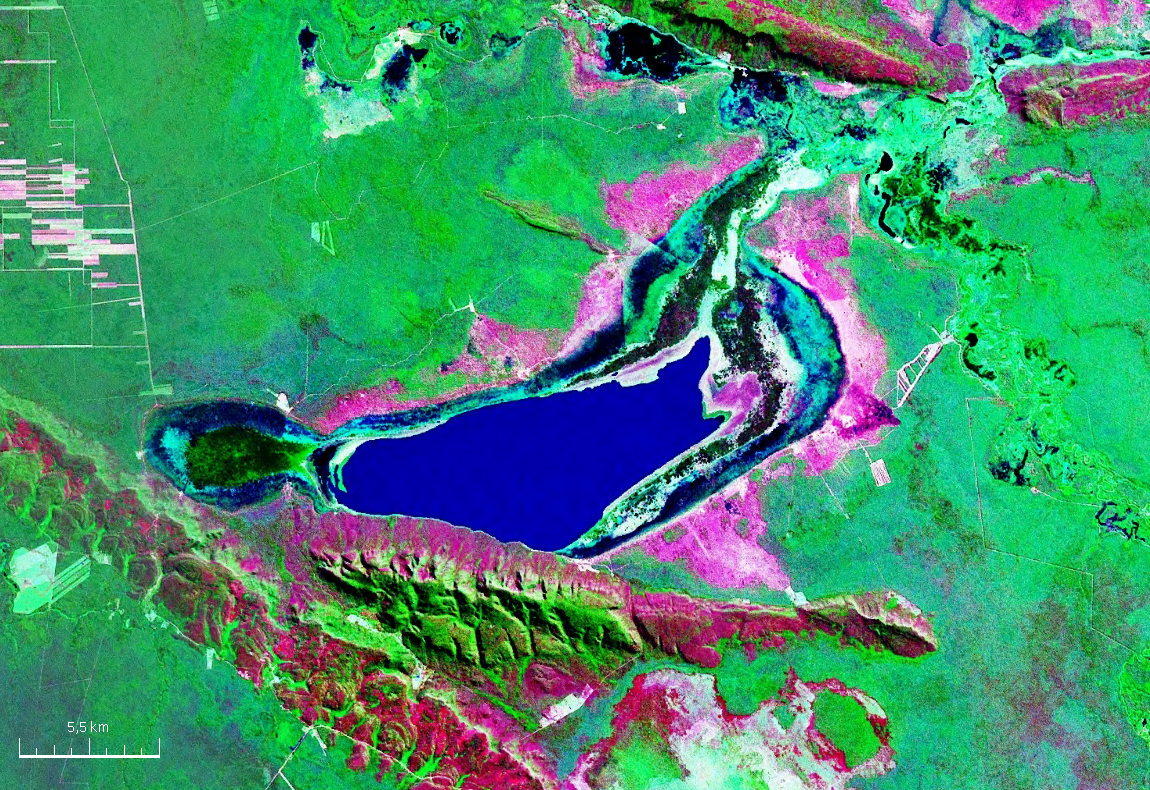
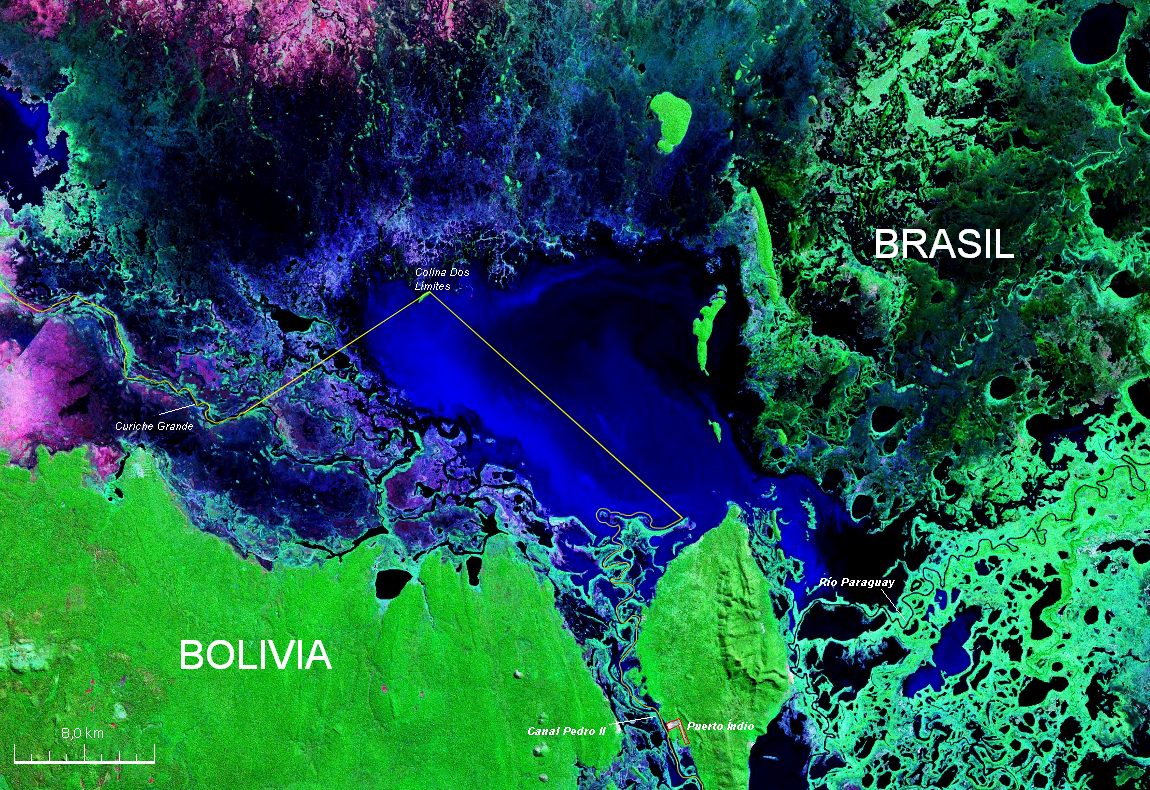
Santa Cruz spans a wide range of lowland landscapes from seasonally flooded Amazonian plains in the north to the dry Gran Chaco in the south and the foothills rising toward the Andes in the west. Major rivers traverse the department and empty into larger Amazon and Paraná watersheds. The area includes extensive tropical forests, wetlands and protected reserves, notably a UNESCO-recognized national park, and it supports rich biodiversity but faces pressures from agriculture and deforestation.
History and development
The city of Santa Cruz de la Sierra was originally founded in the 16th century and the region developed through colonial settlement, missionary activity and later national integration after Bolivia’s independence. In the late 20th and early 21st centuries the department experienced rapid growth driven by migration, commercial agriculture and energy development, transforming its economy and urban landscape.
Economy and land use
Santa Cruz is a national hub for agriculture (including soybeans and cattle ranching), agro-industry, forestry, and hydrocarbon production. Urban centers host manufacturing, commerce and services. Economic expansion has brought investment and jobs, but also environmental concerns such as land conversion and water management challenges.
People, culture and administration
The population is culturally diverse, composed of mestizo majorities alongside indigenous communities such as the Chiquitano and Guaraní, and more recent internal and international migrants. Spanish is the dominant language, with indigenous languages and local dialects also present. Administratively, the department is subdivided into provinces and municipalities, with the capital functioning as the primary political and economic center.
- Key features: regional economic importance, biodiversity, agricultural production.
- Notable issues: rapid urban growth, environmental conservation vs. land use change.
- Major center: Santa Cruz de la Sierra, the department’s largest city.
Related articles
Author
AlegsaOnline.com Santa Cruz Department (Bolivia) Leandro Alegsa
URL: https://en.alegsaonline.com/art/87118
Sources
- cia.gov : "The World Factbook"
- tools.wmflabs.org : 18°25′05″S 62°20′42″W / 18.418°S 62.345°W / -18.418; -62.345