
Santa Cruz del Seibo (El Seibo) — city in the Dominican Republic
Santa Cruz del Seibo (El Seibo) is the main municipality of El Seibo province in eastern Dominican Republic, a historic colonial-era town that serves as a regional administrative, cultural and agricultural center.
Santa Cruz del Seibo, commonly called El Seibo or sometimes written El Seybo, is a municipality in the eastern part of the Dominican Republic. It functions as the head municipality of the provincial territory known as El Seibo and is officially categorized as a city. The settlement occupies a place in the island's network of towns and retains a mix of administrative, commercial and rural roles for the surrounding countryside.
Image gallery
7 Images
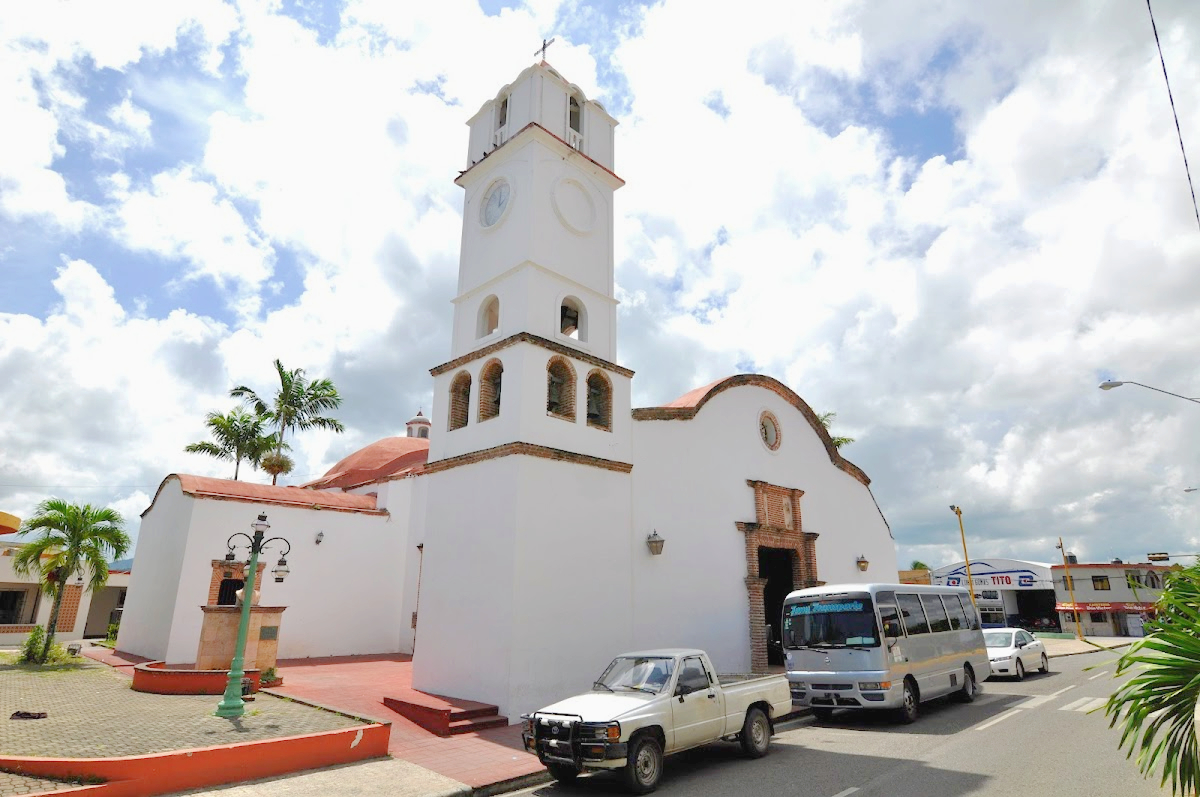


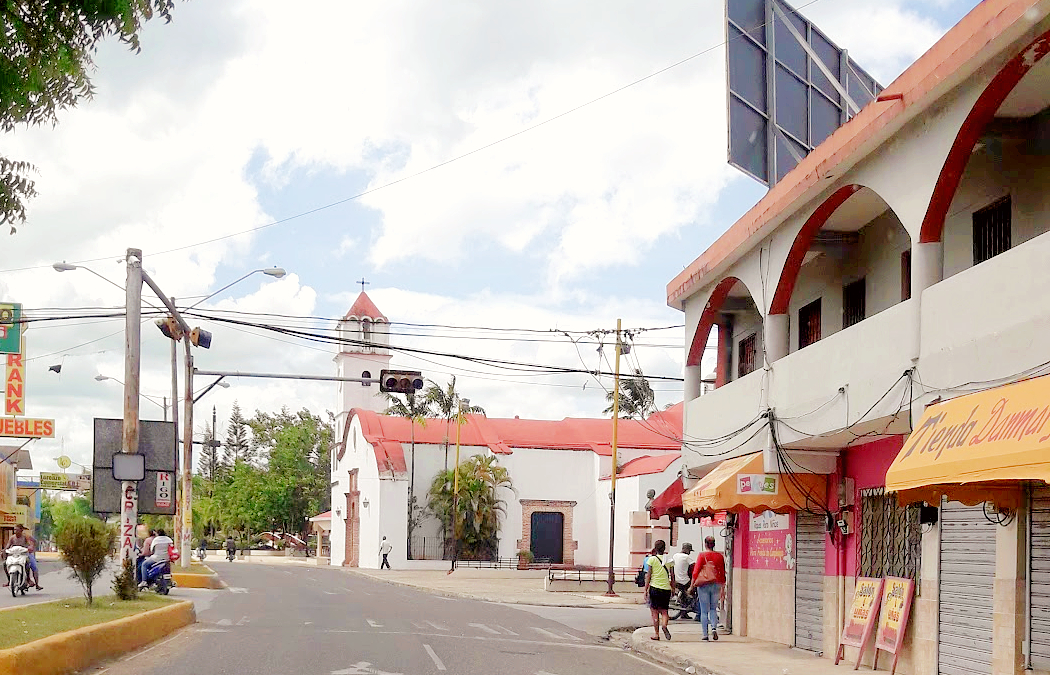
Geography and urban character
El Seibo lies in the eastern lowlands of the greater Caribbean island and is part of the historic landscape of Hispaniola, an island shared by two countries. The town has a traditional Spanish-colonial layout with a central plaza, municipal buildings and several churches, surrounded by agricultural areas and ranchland. Local streets, markets and civic spaces reflect both historical patterns and present-day provincial life.
History and name
The community dates to the early period of European colonization and is recognized as one of the older settlements on the island. Its full name, Santa Cruz del Seibo, combines the Spanish dedication to the Holy Cross with "Seibo," a term likely derived from an indigenous Taíno place-name or natural feature. The town developed through colonial administration and later republican periods, leaving traces of that layered history in its built environment and institutions. References to colonial origins appear in local records and in the enduring pattern of town planning typical of that era; the settlement also adapted over centuries to the changing political and economic contexts of the country.
Economy, culture and daily life
El Seibo serves as a local center for agriculture, livestock raising and small-scale commerce that supports nearby rural communities. Markets and fairs bring together merchants, producers and artisans from the province. Cultural life combines religious feasts, civic commemorations and traditional music and dance; local festivals and patronal celebrations mark the town calendar and contribute to regional identity.
Administration and connections
As the provincial seat, the city contains municipal offices, basic services and educational institutions that serve the wider territory of the province. Transport links are primarily by road to neighboring towns and larger urban centers; these connections sustain trade, mobility and administrative functions. Contemporary municipal planning balances preservation of historic areas with the needs of residents for housing, services and infrastructure.
Notable aspects
- One of the island's long-established colonial-era towns, with characteristic plaza-centered urban form.
- Name that combines Spanish religious toponymy and a likely indigenous element, reflecting layered histories.
- Functions as both an administrative hub and a marketplace for surrounding agricultural zones.
- Often referenced in regional studies of eastern Dominican history and local cultural traditions linked to its colonial past.
Questions and answers
Q: What is Santa Cruz del Seibo, and what is it also known as?
A: Santa Cruz del Seibo is a Dominican city and the head municipality of the El Seibo province. It is also known as El Seybo.
Q: Where is Santa Cruz del Seibo located?
A: Santa Cruz del Seibo is located in the eastern part of the Dominican Republic.
Q: How old is Santa Cruz del Seibo?
A: Santa Cruz del Seibo is one of the oldest cities on the Hispaniola island and was founded during colonial times.
Q: What is the significance of Santa Cruz del Seibo being a head municipality?
A: As the head municipality of the El Seibo province, Santa Cruz del Seibo is responsible for governing the other municipalities within the province.
Q: What is the population of Santa Cruz del Seibo?
A: There is no information provided about the population of Santa Cruz del Seibo.
Q: What are some of the notable landmarks or attractions in Santa Cruz del Seibo?
A: There is no information provided about notable landmarks or attractions in Santa Cruz del Seibo.
Q: What is the climate like in Santa Cruz del Seibo?
A: There is no information provided about the climate in Santa Cruz del Seibo.
Related articles
Author
AlegsaOnline.com Santa Cruz del Seibo (El Seibo) — city in the Dominican Republic Leandro Alegsa
URL: https://en.alegsaonline.com/art/87117
Sources
- censo2010.one.gob.do : "IX Censo Nacional de Población y Vivienda. Informe Básico"
- one.gob.do : "Expansión Urbana de las ciudades capitales de R.D. 1988-2010. Informe Básico"
- el-seybo.climatemps.com : "El Seybo Climate & Temperature"