
Sangha: The Buddhist Community — Meaning, Forms, and Role
Sangha denotes the Buddhist community — especially the ordained monastic order and the community of awakened disciples. This article explains its meanings, history, functions and modern expressions.
Overview
The term sangha is a Pali and Sanskrit word often translated as "assembly" or "community." In the context of Buddhism it names one of the Three Jewels or Triple Gem: the Buddha, the Dharma and the Sangha. Taking refuge in these three is a common declaration of commitment for many Buddhists and frames personal practice and communal life.
Image gallery
5 Images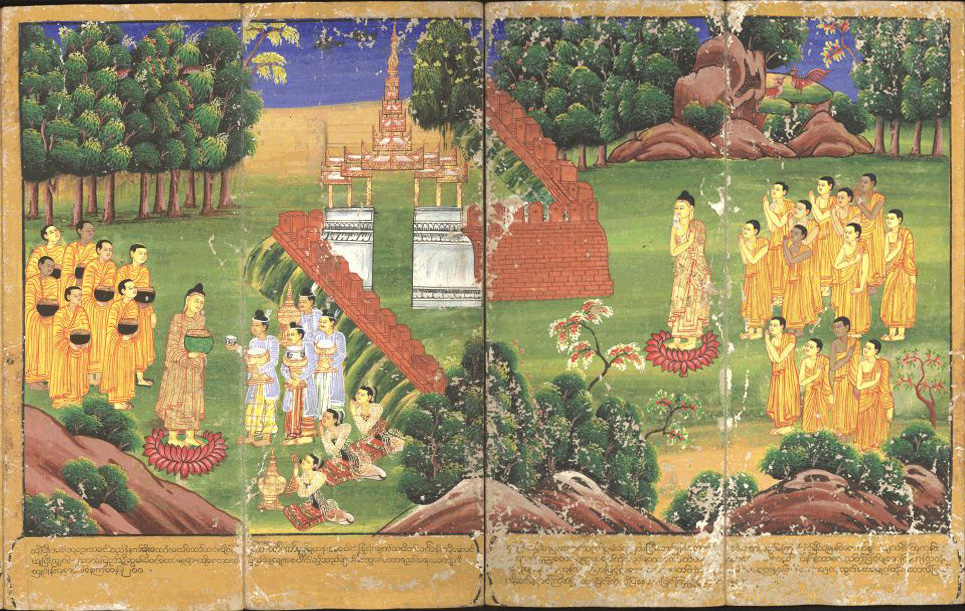


Primary senses and composition
Classical texts use the term in two principal ways. One sense denotes the ordained monastic community of monks and nuns who live under a formal code (Vinaya) and perform teaching, ritual and communal duties. The other sense refers to the community of noble or awakened disciples — those who have gained insight or attained stages of liberation (the Noble Sangha). Both senses are respected in devotional practice, but they have different roles and criteria.
Origins and institutional development
The sangha originated in the historical period of the Buddha, when groups of renunciants gathered to hear teachings, meditate and observe a common ethical discipline. Over centuries the sangha became an organized institution responsible for preserving texts, commentaries and practices. Distinct Buddhist traditions — for example Theravada, Mahayana and Vajrayana — developed different monastic codes, curricula and organizational structures while retaining the idea of a communal body dedicated to the path.
Vinaya, ordination and leadership
Monastic sanghas are governed by codes of discipline that regulate behavior, ordination and communal procedures. Ordination marks formal entry into the monastic life and creates a lineage of teachers and pupils. Senior monastics often have roles in training, adjudicating disputes and maintaining doctrinal standards, while lay supporters sustain the community materially and socially.
Roles, practices and lay relations
Functionally, the sangha serves as a custodian of teachings, a center for education, and a model of ethical discipline. Typical activities include communal chanting, scriptural study, meditation, ordination ceremonies and rites marking life events. Laypeople support monastics with offerings and in turn receive teaching, guidance and merit through shared practice. The reciprocal lay–monastic relationship is central to many Buddhist societies.
Variations and contemporary expressions
- Theravada contexts emphasize ordination, monastic discipline and scriptural study in Pali traditions.
- Mahayana contexts often include broader clerical roles and an emphasis on bodhisattva ideals.
- Vajrayana communities combine monastic and tantric lineages with teacher-centered transmission.
Modern sanghas include lay communities, meditation centers and virtual sanghas that provide opportunities for practice outside traditional monasteries. Engaged sangha movements combine social action with contemplative practice, while debates about ordaining women, legal status and lay participation continue in many regions.
Ethos and significance
Careful doctrinal texts distinguish between a merely numerical assembly and the noble sangha of those who have realized insight. In ritual and everyday devotion the sangha is venerated alongside the Buddha and the Dharma. For introductions to related subjects see resources on monastics (monks, nuns), the community of realized practitioners (noble disciples), the life of the Buddha and the body of teaching known as the Dharma.
Related articles
Author
AlegsaOnline.com Sangha: The Buddhist Community — Meaning, Forms, and Role Leandro Alegsa
URL: https://en.alegsaonline.com/art/87032
Sources
- accesstoinsight.org : accesstoinsight.org/ptf/sangha.html
- dsal.uchicago.edu : dsal.uchicago.edu/dictionaries/pali/
- accesstoinsight.org : accesstoinsight.org/tipitaka/an/an11/an11.012.than.html
- awakeningthedragon.com : American Buddhist Sangha