
Gautama Buddha (Siddhartha Gautama): Life, Teachings, and Legacy
Siddhartha Gautama, called the Buddha, was an ancient spiritual teacher whose awakening founded Buddhism. His life story, core teachings and the monastic community he established shaped Asian religions and global thought.
Gautama Buddha — born Siddhartha Gautama and often called Shakyamuni or the Tathāgata — is the historical figure traditionally credited with founding the religion Buddhism. The title "Buddha" means "the Awakened One" or "Fully Enlightened One." He was born into the Śākyan clan in the region around Lumbini and lived in the northern Indian subcontinent in the later first millennium BCE; precise dates are uncertain and are treated cautiously by scholars.
Image gallery
10 Images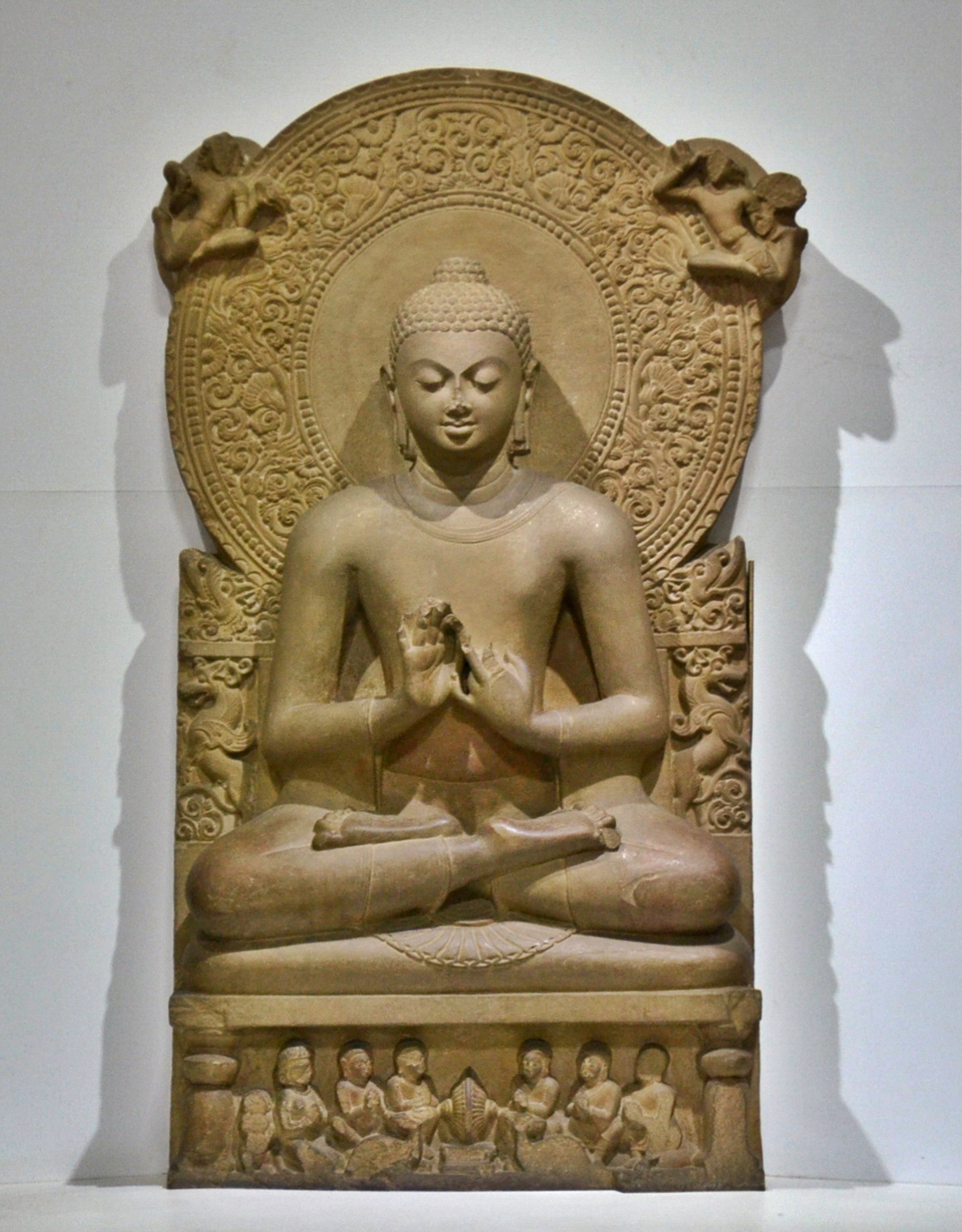
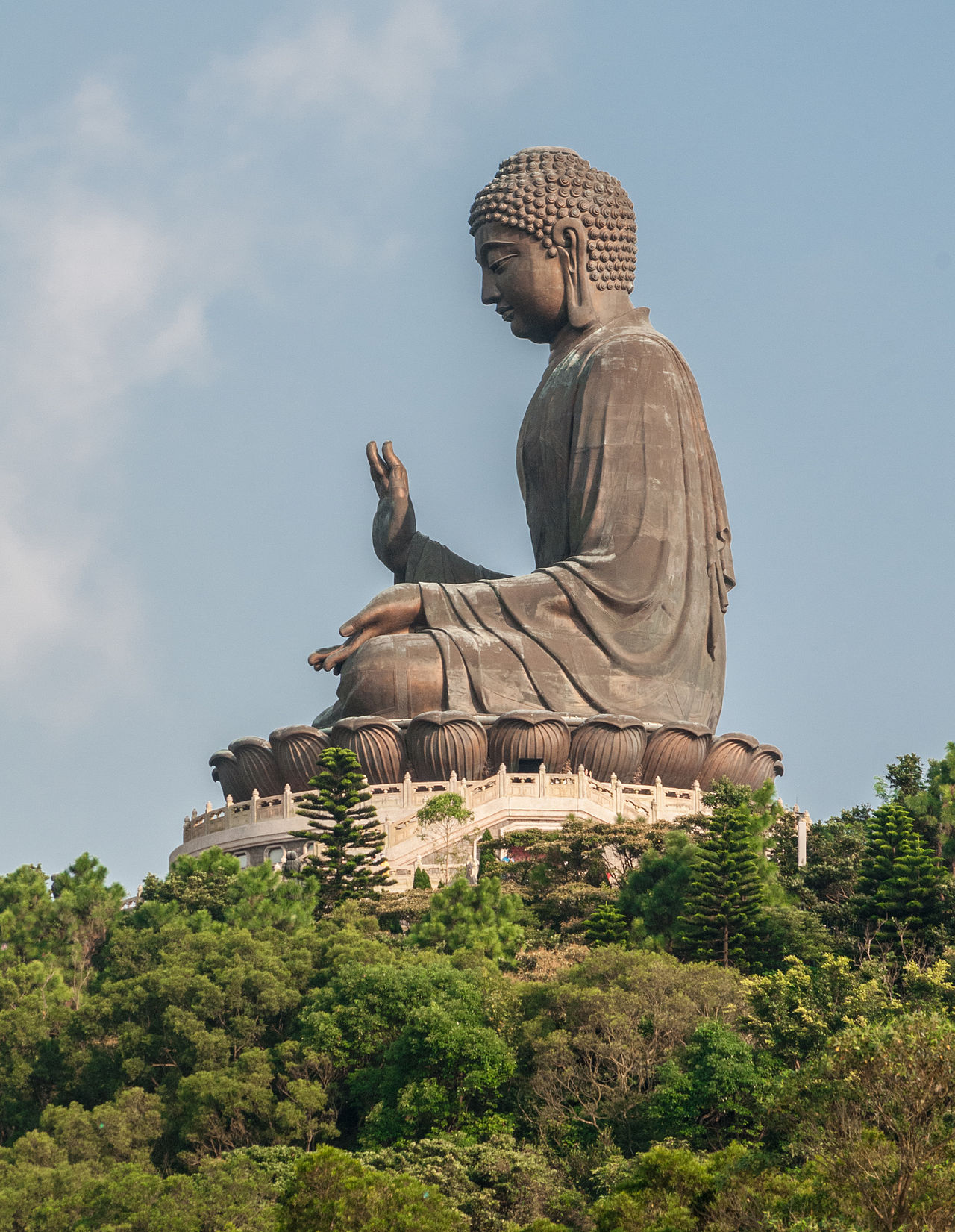


Life and enlightenment
According to traditional accounts, Siddhartha was raised as a prince and sheltered from suffering until he encountered the "four sights": an old person, a sick person, a corpse, and an ascetic. Disturbed by human suffering, he renounced palace life and pursued spiritual practice. After years of study and austere discipline he abandoned extreme asceticism and attained awakening while meditating beneath the Bodhi tree at Bodh Gaya. From that moment he taught a path intended to end suffering.
Core teachings
The Buddha’s teachings focus on practical insights into the nature of suffering and liberation. Central formulations include the Four Noble Truths and the Noble Eightfold Path, which outline diagnosis of suffering and a way of ethical living, mental cultivation, and wisdom. He emphasized impermanence, non-self, and dependent origination as analyses of experience.
- Four Noble Truths: existence of suffering, its cause, its cessation, and the path leading to cessation.
- Noble Eightfold Path: ethical conduct, mental discipline, and wisdom.
- Practice: meditation (including mindfulness), moral precepts, and monastic discipline (Vinaya).
Community and later life
The Buddha organized a community of monks and nuns (the Sangha) that preserved and transmitted his teachings. He traveled and taught in the Gangetic plain, drawing lay followers and establishing monasteries. Traditional accounts say he entered final passing (parinirvana) at Kusinagara; relics, stupas and pilgrimage sites such as Lumbini and Bodh Gaya remain important.
Legacy and distinctions
Over centuries his teachings developed into diverse traditions, notably Theravada, Mahayana and Vajrayana, each interpreting practice and doctrine differently. While venerated as a supremely enlightened being, the Buddha is generally portrayed in early texts as a human who discovered a path rather than a creator deity. Modern interest in his ethical and psychological insights continues worldwide and informs both religious practice and secular mindfulness movements. For introductions to the religion and to the Buddha’s recorded teachings see Buddhist teachings.
Questions and answers
Q: Who was Gautama Buddha?
A: Gautama Buddha was a man named Siddharth Gautama who created the religion of Buddhism.
Q: What does the title "Buddha" mean?
A: The title "Buddha" means "Fully Awakened One."
Q: Where was Gautama Buddha born?
A: Gautama Buddha was born in a region of what is now known as Nepal in the Shakya Kingdom in Lumbini.
Q: When did Gautama Buddha live?
A: Gautama Buddha lived from about 563 BC to about 483 BC.
Q: Why is Gautama Buddha also called Shakyamuni Buddha?
A: Gautama Buddha is also called Shakyamuni Buddha because he was a member of the Śākyan clan, which was the ruling class of an aristocratic republic in Lumbini during that time.
Q: What was the ruling class of Lumbini during Gautama Buddha's time?
A: The ruling class of Lumbini during Gautama Buddha's time was the Śākyan clan, an aristocratic republic.
Q: What religion did Gautama Buddha create?
A: Gautama Buddha created the religion of Buddhism.
Related articles
Author
AlegsaOnline.com Gautama Buddha (Siddhartha Gautama): Life, Teachings, and Legacy Leandro Alegsa
URL: https://en.alegsaonline.com/art/37756
Sources
- history.com : "Buddhists celebrate birth of Gautama Buddha"
- britannica.com : "Yashodhara (wife of Buddha)"
- buddhanet.net : "Rahula -— The Son of the Enlightened One"