
Sasamuta-jinja (Sasamuta Shrine) — Ōita, Kyushu
Sasamuta-jinja is a Shinto shrine in Ōita city on Kyushu. This article outlines its location, typical shrine features, cultural role, festivals, architecture, and visitor guidance.
Sasamuta-jinja is a Shinto shrine located in the city of Ōita on the island of Kyushu, Japan. As a local place of worship it serves religious, cultural, and social functions for nearby residents and visitors. The shrine is part of the living network of Shinto sites that mark sacred space across Japan.
Image gallery
9 Images




Overview and significance
Like many community shrines, Sasamuta-jinja acts as a focal point for rites of passage, seasonal observances and communal gatherings. Shrines such as this embody traditional Japanese practices of purification, gratitude and respect for kami (sacred beings or spirits) and are frequently visited for prayers, offerings and festivals.
Architecture and layout
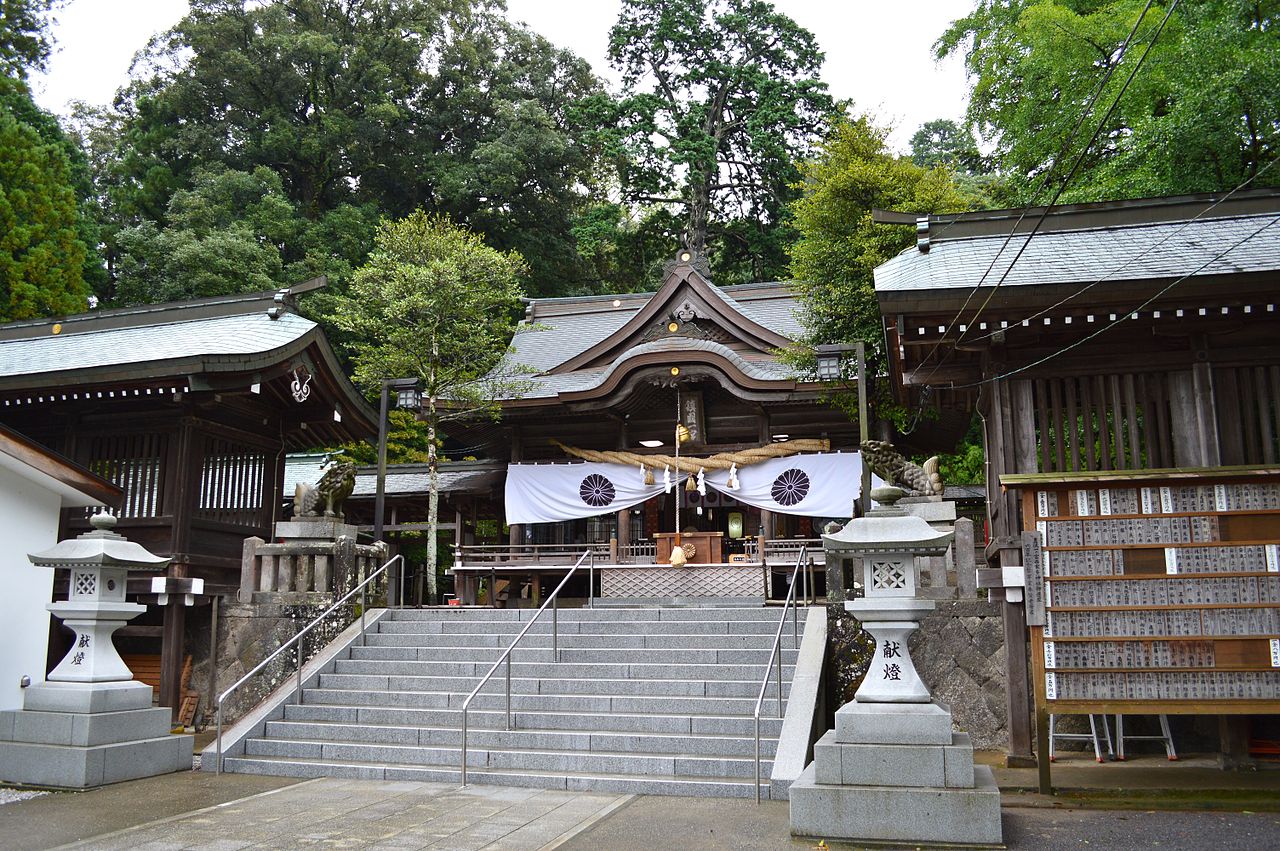
Typical architectural elements found at Sasamuta-jinja include a torii gate marking the boundary to the sacred precinct, a honden (main hall) where the shrine's spirit is venerated, and a haiden (worship hall) where visitors make offerings. The precinct often contains purification troughs, stone lanterns and a shimenawa rope indicating sacred objects or trees.
Rituals, festivals and community life
Throughout the year the shrine hosts customary observances such as New Year visits (hatsumode), seasonal festivals (matsuri), and community rituals tied to agricultural and local calendars. Offerings, prayer plaques (ema), and fortune slips (omikuji) are common practices for worshippers seeking blessings or giving thanks.
History and preservation
Local records and oral tradition typically trace such shrines back many centuries, though structures are often rebuilt or repaired over time because of climate, fire or renovation. Sasamuta-jinja is maintained by local caretakers and volunteers who oversee upkeep, festival organization and the transmission of ritual knowledge to future generations.
Visiting and practical information
- Respect shrine etiquette: bow at the torii, purify hands and mouth at the temizuya, and approach the haiden quietly.
- Photographing buildings and ceremonies is often allowed in the precinct but check for restrictions around sacred objects and ongoing rituals.
- Local guides or information boards may provide additional context about the shrine's place in Ōita's cultural landscape.
Sasamuta-jinja exemplifies the role of smaller shrines in Japan: it preserves religious traditions, anchors community identity and offers visitors a chance to experience living aspects of Japanese cultural and spiritual life.
Related articles
Author
AlegsaOnline.com Sasamuta-jinja (Sasamuta Shrine) — Ōita, Kyushu Leandro Alegsa
URL: https://en.alegsaonline.com/art/87405
Sources
- kotodamaya.com : "Sasamuta Jinja"
- eos.kokugakuin.ac.jp : "Nationwide List of Ichinomiya," p. 3