
Sandy Hook Elementary School shooting (Newtown, 2012)
The Sandy Hook Elementary School shooting in Newtown, Connecticut on December 14, 2012, killed 28 people, mostly children and staff, and spurred national debates on gun policy, school safety, mental health, and misinformation.
Overview
The Sandy Hook Elementary School shooting was a mass shooting that occurred on December 14, 2012, in Newtown, Connecticut. The attack drew national and international attention because the victims included a large number of young children and school personnel. The event is frequently discussed in contexts of public safety, gun policy, mental health, and media coverage. For a concise description of the event see the incident summary and its location in Connecticut within the United States.
Image gallery
7 Images




Incident and victims
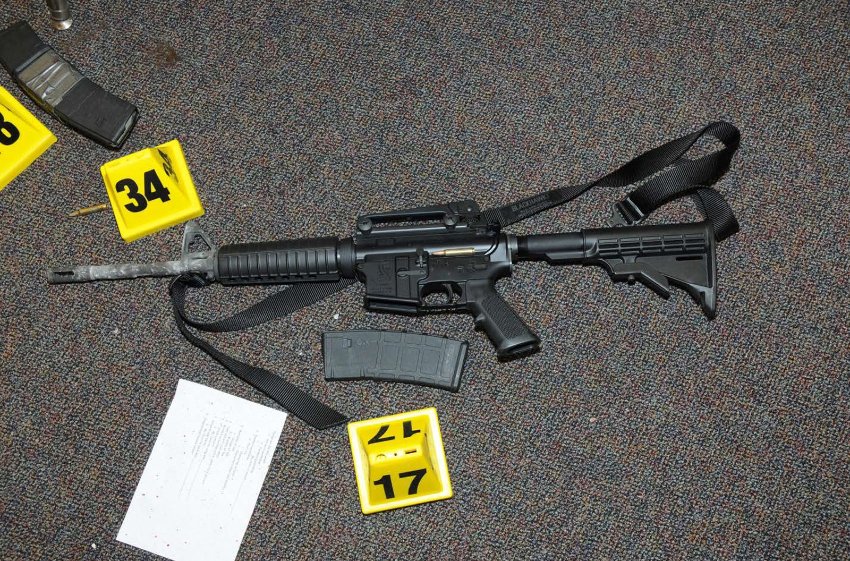
Twenty-eight people died in the attack, including children, teachers and staff at the school, and the perpetrator’s mother, who was killed at her home before the school assault. The deaths at the school included many young elementary-school students and several adult employees. Law enforcement agencies subsequently recovered firearms at crime scenes. The shooter died at the site of the school; authorities concluded the attack ended when the perpetrator was found deceased.
Investigation and emergency response
Local and federal authorities conducted a multiagency investigation into the sequence of events, evidence, and background of the attacker. First responders and emergency medical teams treated survivors and secured the scene; investigators searched homes and reviewed digital and physical records to assemble a timeline. Official reports focused on how the attacker obtained weapons, prior warning signs, and any relevant communications or records.
Aftermath and public response
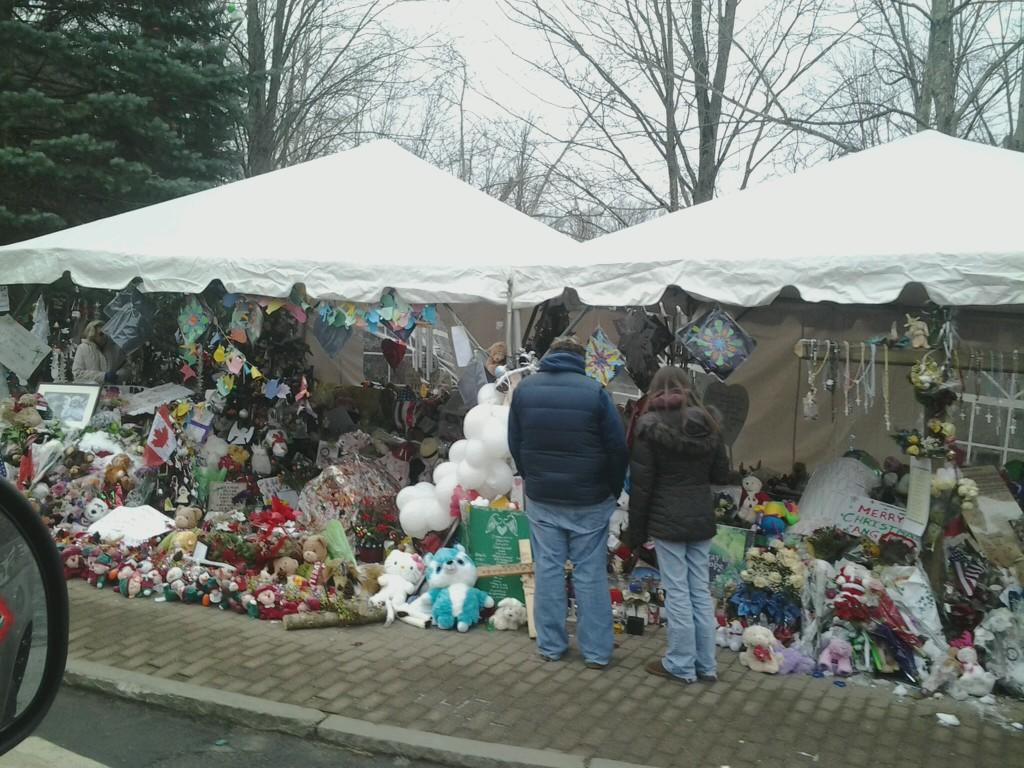
The shooting provoked widespread public grief and national debate. Communities and schools across the country reviewed and tightened safety procedures, emergency drills, and campus access controls. The event intensified calls for changes in firearms regulation, including proposals for expanded background checks and restrictions on certain weapon types, as well as renewed emphasis on mental health services and early-intervention programs.
Legal, political and cultural impacts
The families of victims and advocacy groups pursued legal action and policy campaigns in the years that followed, and litigation involving firearm manufacturers and distributors attracted significant attention. The tragedy influenced legislation at state and federal levels, charity and fundraising efforts, and discussions about media responsibility when reporting on mass violence.
Misinformation, remembrance, and lessons
The event also generated persistent misinformation and baseless conspiracy theories that targeted victims and survivors, prompting efforts to correct false claims and support affected families. Memorials, scholarship funds, and local commemorations have been established to remember those who were killed. The shooting remains a reference point in debates about balancing safety, civil liberties, and public health approaches to violence prevention.
- Key themes: school safety protocols, gun policy debate, mental health services, legal accountability.
- Long-term effects: legislative proposals, litigation, memorials, and changes in emergency preparedness.
Related articles
Author
AlegsaOnline.com Sandy Hook Elementary School shooting (Newtown, 2012) Leandro Alegsa
URL: https://en.alegsaonline.com/art/87012
Sources
- nytimes.com : "Nation Reels After Gunman Massacres 20 Children at School in Connecticut"
- usnews.nbcnews.com : "Authorities ID gunman who killed 27 in elementary school massacre"