
San Juan Province, Argentina
An overview of San Juan Province in western Argentina: geography, climate, economy (wine, olives, mining, oil), paleontology, history, and tourism highlights.
Overview
San Juan is a province in western Argentina that stretches from high Andean ranges to arid valleys. Often described as a region of strong sun, clear skies and dramatic landscapes, the province combines agricultural oases built around irrigation with significant mineral and energy resources. The administrative and cultural center is the city commonly known as San Juan; the provincial identity is shaped by viticulture, mining and an important record of ancient life.
Image gallery
10 Images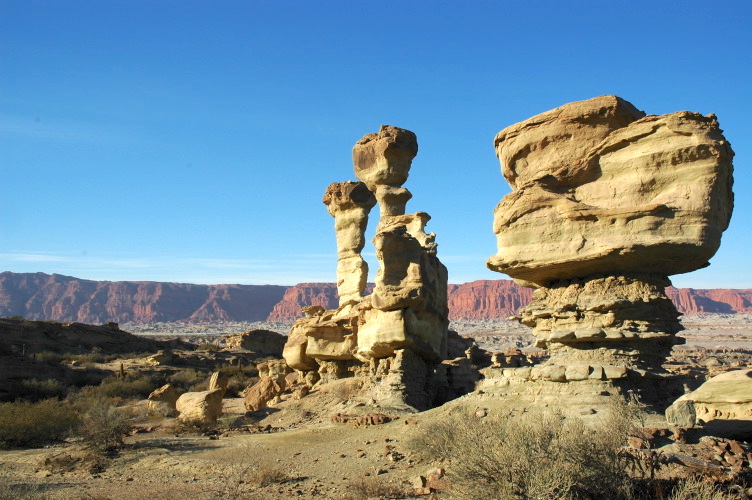



Geography and climate
San Juan lies along the eastern slopes of the Andes and shares a long border with Chile. Elevations range from low, irrigated river valleys to high mountain peaks and plateaus. The climate is generally arid to semi-arid with hot summers and cool winters; water for agriculture depends on rivers, reservoirs and snowmelt from the mountains. Soils and microclimates in the valleys are well suited to fruit trees and vineyards when combined with irrigation.
History, paleontology and natural heritage
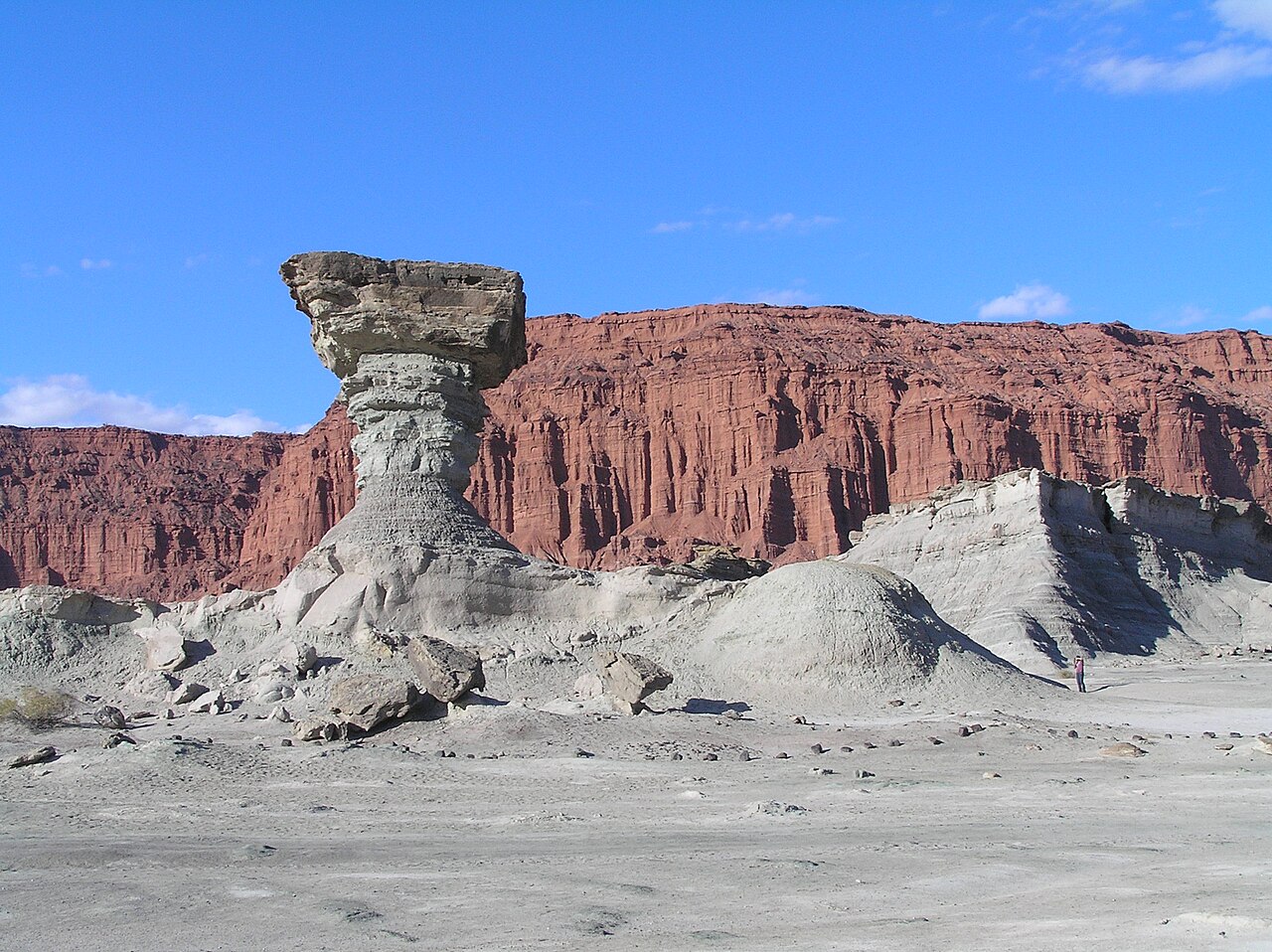
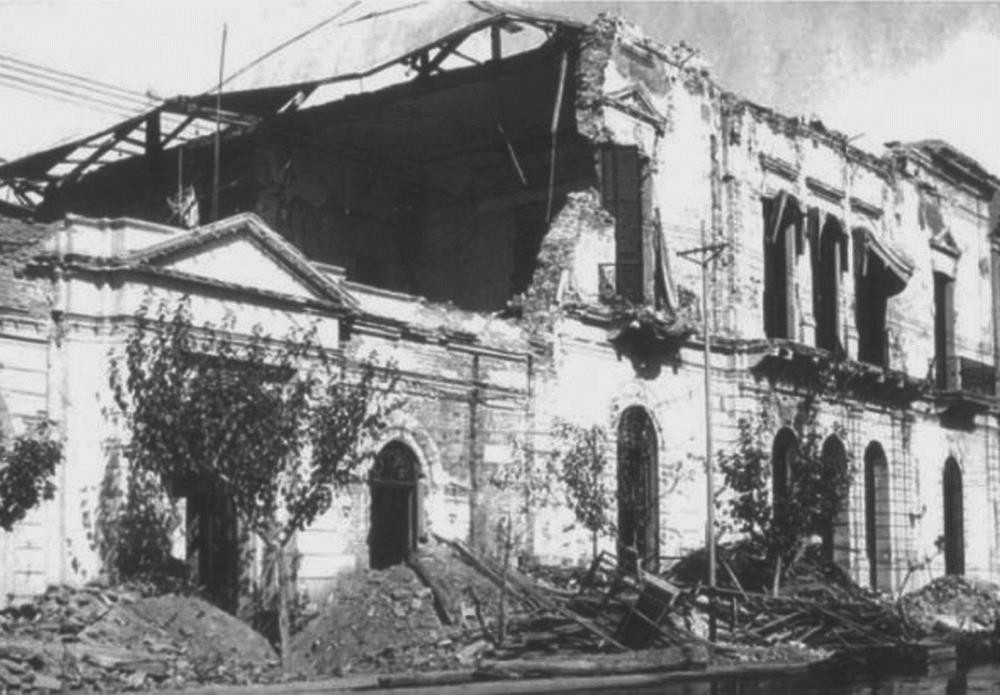
The province has a long human history and a geological record that attracts scientific interest. Several fossil-rich sites preserve Triassic and later strata, making San Juan a notable area for paleontological study and public geology. One of the best-known landscapes is the valley known for its moonlike rock formations and fossil beds. Earthquakes have also influenced the province’s development and architecture over time.
Economy and land use
Agriculture is a central economic activity, with irrigated vineyards and olive groves producing wine and olive oil for domestic use and export. Wine production in particular is a major specialization of the province and part of a broader Argentine wine industry; olives and other fruit crops are important in valley agriculture. Mineral extraction and hydrocarbon activities are also significant: the province hosts mining operations and oil and gas production that supply regional and national markets.
Culture, tourism and notable facts
Cultural life reflects a mix of rural traditions, urban amenities and events linked to the grape harvest and regional identity. Tourists visit for wine routes, scenic Andean approaches, and for visits to protected geological areas with visible fossil beds. The province’s combination of agriculture, mining and paleontological sites makes it distinctive among Argentina’s provinces.
Key sectors and resources
- Wine production and associated viticulture industries.
- Olive oil and other irrigated orchard crops.
- Mining for metallic and industrial minerals.
- Oil and gas extraction and processing.
- Scientific and tourist interest in paleontological sites.
For administrative and general reference information see an official page on the province and broader national resources about Argentina. Specialist visitors may consult regional guides and scientific publications for sites along the Chilean frontier and for the province’s geological heritage (Chile border regions are often referenced in those works).
Related articles
Author
AlegsaOnline.com San Juan Province, Argentina Leandro Alegsa
URL: https://en.alegsaonline.com/art/86859
Sources
- 200.51.91.231 : 200.51.91.231/censo2010/