
San Luis Potosí (city)
Capital and largest city of the state of San Luis Potosí in central Mexico, known for its colonial architecture, mining origins, elevated plateau location, and growing industrial and cultural importance.
San Luis Potosí is the capital and largest city of the state of San Luis Potosí in central Mexico. Situated on the Mexican Plateau at roughly 1,850 metres above sea level, the city serves as the political, economic and cultural center of the region. It combines a compact historic core of colonial-era streets and baroque buildings with expanding modern neighborhoods, industry zones and transportation links.
Image gallery
10 Images




Geography and climate
The city lies in an elevated, semi-arid portion of central Mexico. Its altitude moderates temperatures compared with lower-lying areas, producing a climate often described as temperate with dry seasons. San Luis Potosí functions as a regional crossroads: road and rail corridors connect it with other central Mexican cities and with northern and Gulf coast routes.
History and development
San Luis Potosí began as a mining settlement in the colonial era, established near important silver deposits that shaped the early economy and growth of the town. Over centuries it evolved from a mining and agricultural market center into an administrative capital and later into a diversified urban economy. The historic center preserves many examples of colonial and 19th-century architecture that reflect these successive stages.
Today the city hosts administrative institutions, universities and cultural venues while also serving as a hub for regional manufacturing and logistics. In recent decades the wider metropolitan area has attracted investment in automotive components, metalworking, agroindustry and other manufacturing, contributing to steady urban growth and migration from nearby rural areas.
Culture, landmarks and significance
San Luis Potosí is known for a lively historic core and civic plazas, with notable landmarks and cultural attractions such as:
- Cathedral and Plaza de Armas: a focal point of the downtown with significant colonial-era architecture;
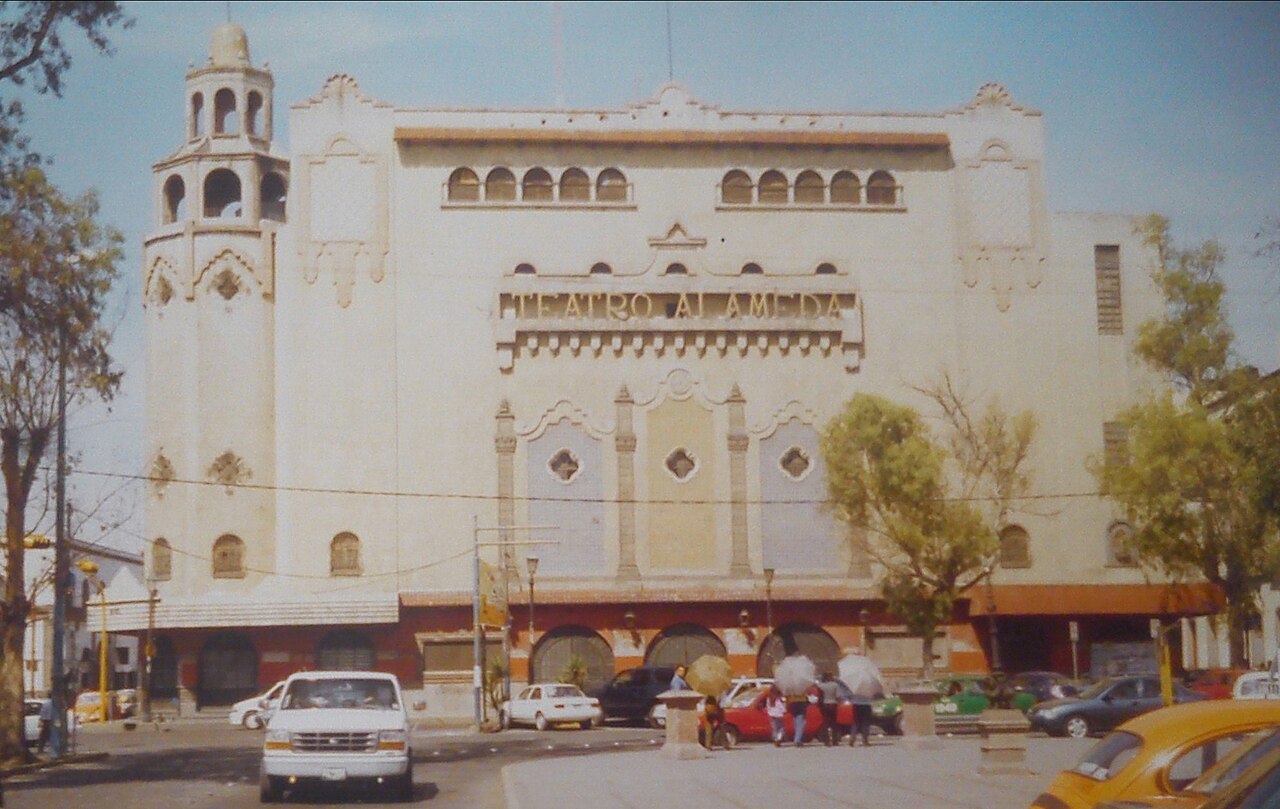
- Museums and theaters that present regional history, arts and traditional festivals;
- Nearby natural attractions and former mining towns that illustrate the area's extractive past.
As a state capital the city plays an important role in politics and education for the region. Its blend of historic character and modern industry makes it a representative example of many medium-sized Mexican cities that balance heritage tourism with contemporary economic activity.
Related articles
Author
AlegsaOnline.com San Luis Potosí (city) Leandro Alegsa
URL: https://en.alegsaonline.com/art/86874