
San Fernando del Valle de Catamarca
Capital and principal city of Catamarca Province, Argentina, located in a fertile Andean foothill valley; regional center for culture, pilgrimage, agriculture and mining-related services.

San Fernando del Valle de Catamarca, commonly shortened to Catamarca, is the administrative and cultural capital of Catamarca Province in northwestern Argentina. Set in a valley at the eastern edge of the Andes, the city serves as the main urban center for a wide rural region. According to the 2010 national census it had roughly 159,139 inhabitants, and it functions as the province’s political, commercial and service hub.
Image gallery
10 Images


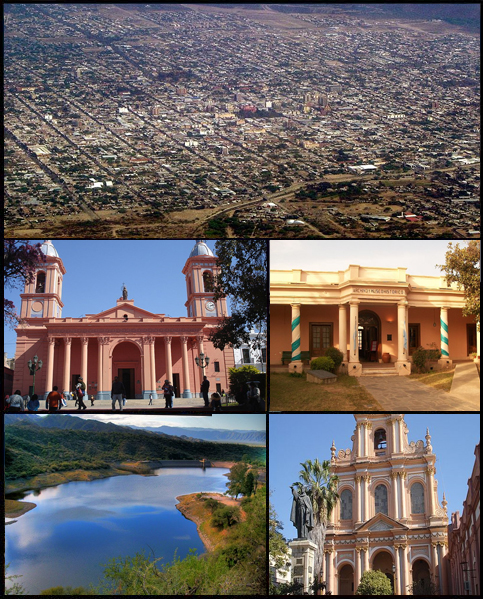




Geography and climate

The city occupies a fertile plain bounded by surrounding hills and low mountains. Its location provides a transition between high Andean landscapes to the west and lower plains to the east, with seasonal streams and irrigated agriculture in the valley. The climate is generally dry to semi-arid, with hot summers, cooler winters and most precipitation falling in the warmer months. Vegetation and land use reflect irrigation, with orchards, vineyards and olive groves found in nearby fields.
History and development
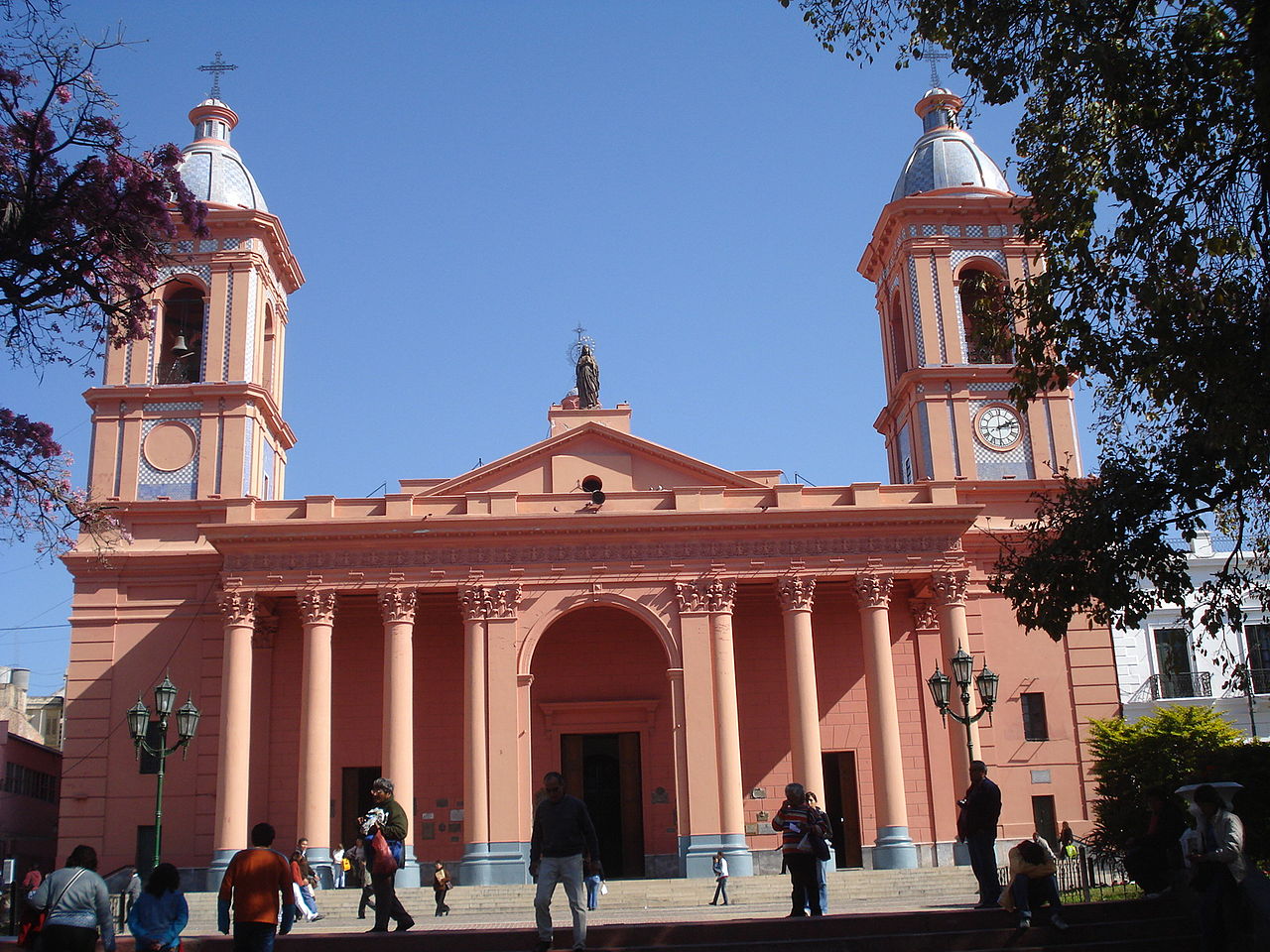
Catamarca grew from a colonial settlement into the provincial capital over the centuries. The town’s foundation is traditionally dated to 1683 under Spanish colonial authority, and it developed as a regional administrative and ecclesiastical center. Its urban fabric mixes colonial-era and later republican architecture, with public squares and religious buildings that have long been focal points for civic life and pilgrimage.
Economy, culture and services
The local economy combines public administration, commerce, tourism and agricultural production tied to valley irrigation. Viticulture, olives and fruit orchards are important around the city, while mineral resources in the wider province support exploration and extractive activities that provide jobs and services in Catamarca. The city hosts museums, cultural institutions and a notable Marian shrine that draws religious pilgrims, especially during annual festivals.
Typical civic amenities include regional hospitals, educational centers, and transport links that connect Catamarca with other provincial capitals and national routes. The urban area supplies administrative, retail and professional services to smaller towns and rural districts across the province.
Notable facts and distinctions
Catamarca is best known locally as the seat of provincial government and as a pilgrimage destination for devotees of the Virgin associated with the city’s basilica. Its valley setting makes it both a gateway to Andean landscapes and a center for agricultural production adapted to semi-arid conditions. Visitors often combine cultural sightseeing with excursions into nearby natural areas and mountain routes.
- Regional capital and largest city in the province
- Historic religious and civic architecture
- Agriculture and services oriented to a broad rural hinterland
- Connection to provincial mining activity and mountain tourism
For further civic and travel information see the municipal and provincial pages: municipal site and province overview.
Related articles
Author
AlegsaOnline.com San Fernando del Valle de Catamarca Leandro Alegsa
URL: https://en.alegsaonline.com/art/86810