
Sambucus (Elder, Elderberry): overview, characteristics, uses and history
Sambucus, commonly called elder or elderberry, is a genus of shrubs and small trees in Adoxaceae. This article covers its traits, notable species, traditional uses, modern research, cultivation and safety considerations.
Overview
Sambucus is a genus of deciduous shrubs and small trees in the family Adoxaceae, commonly known as elder or elderberry. Species of Sambucus occur across temperate and subtropical regions of the Northern Hemisphere and in parts of the Southern Hemisphere, often occupying moist ground such as stream banks, hedgerows and wetlands. Plants in this genus are valued for their showy clusters of flowers, dark berries, and roles in wildlife habitat.
Image gallery
7 Images




Key characteristics
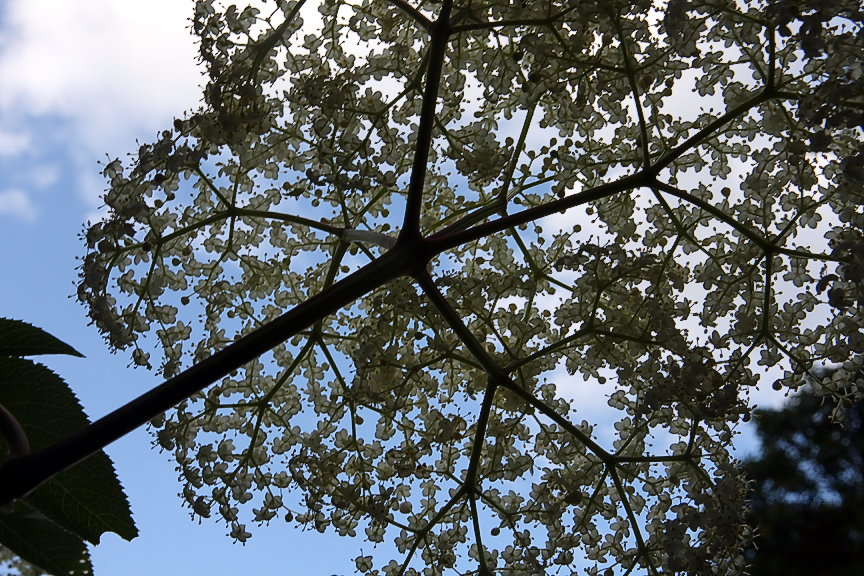
Sambucus species share a set of recognizable features: pinnate leaves with several toothed leaflets, inflorescences in flat-topped clusters (umbels or cymes), and berries that develop from those flowers. Flowers are typically small, white or cream-colored, and appear in spring or early summer. Fruit colors vary by species and can be deep purple-black, red or sometimes yellow. Growth habit ranges from multi-stemmed shrubs to small trees, with mature heights that commonly fall between 1 and 7 meters depending on the species and site conditions.
Taxonomy and notable species
The genus Sambucus includes several widely known taxa. Among them:
- Sambucus nigra (black elder or European elder) — a well-known species used for food and traditional remedies in Europe.
- Sambucus canadensis (American elder) — native to North America and similar in many uses to S. nigra.
- Sambucus racemosa (red elder) — produces red berries and is common in cooler, montane zones.
Historically, elders were placed in Caprifoliaceae or other groupings; modern treatments place Sambucus within Adoxaceae based on morphological and genetic evidence. For summaries of species lists and formal treatments, see resources linked below.
History, cultural significance and traditional uses
Elder has a long history in human culture. Archaeological and historical records indicate use of elder for food, cordage and remedies in ancient and medieval Europe and elsewhere. Traditional medicine systems attributed a wide range of uses to elderflowers, berries, bark and leaves, including relief from colds, fevers and minor aches. Folk uses and folklore around elder are widespread; some writers from the early modern period praised its many practical applications.
Modern uses, constituents and research
Today, elderflowers and cooked elderberries are used in syrups, jams, wines and flavorings, prized for their floral aroma and fruity color. Black elderberry (Sambucus nigra) is a common ingredient in commercially sold syrups and supplements. Berries contain pigments called anthocyanins and other flavonoids and phenolic compounds that contribute to color and antioxidant activity in laboratory assays. A number of laboratory and clinical studies have explored elderberry extracts for effects on respiratory viruses and symptom duration; some report modest benefits while others call for larger, well-controlled trials. Regulatory authorities do not consider elderberry extracts to be proven cures, and medical guidance recommends standard preventive and treatment measures for serious infections.
Preparation, culinary uses and safety
Raw parts of some elder species contain small amounts of naturally occurring toxic compounds (for example, cyanogenic glycosides) concentrated in leaves, seeds and unripe berries. Proper processing—thorough cooking or drying—reduces these compounds and makes the ripe berries safe for jams, syrups, pies and fermented beverages. Gardeners often cultivate elders for their rapid growth, ornamental flower clusters and berries that attract birds. Always follow food-safety guidance and consult healthcare professionals before using herbal preparations for medical purposes.
Ecology, cultivation and notable distinctions
Elders are ecologically valuable as early-flowering shrubs that provide nectar for pollinators and fruit for birds and mammals. They regenerate readily from seed and suckers, which makes some species useful for hedging but also capable of spreading in favorable conditions. Distinguishing species relies on flower and fruit color, leaflet number and growth habit; regional floras and identification keys provide reliable diagnostics for gardeners and botanists.
Further information and species treatments are available through botanical and horticultural sources: taxonomy and species lists, family and classification notes, cultivation and care guides, and medicinal and safety summaries.
Related articles
Author
AlegsaOnline.com Sambucus (Elder, Elderberry): overview, characteristics, uses and history Leandro Alegsa
URL: https://en.alegsaonline.com/art/86661