
Charleroi, Belgium
Charleroi is an industrial city and municipality in Wallonia, Hainaut province, known for its coal-and-steel heritage, museums like Bois du Cazier, and Brussels South Charleroi Airport.

Overview
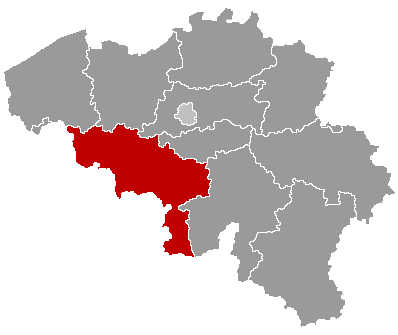
Charleroi is a city and municipality in the French-speaking region of Wallonia, in the province of Hainaut, Belgium. It lies roughly 50°24′N 4°26′E, on the Sambre river. Historically an industrial centre, Charleroi developed rapidly in the 19th and early 20th centuries around coal mining, glassmaking and steelworks. Its urban area hosts around two hundred thousand inhabitants, with population figures varying by municipal boundaries and date of estimate.
Image gallery
10 Images


History and economic development
From a small riverside settlement Charleroi expanded during the Industrial Revolution into one of Belgium's principal heavy-industry centres. Coal extraction and metallurgy drove growth, shaping neighbourhoods, workers' housing and transport links. Like many industrial cities, Charleroi experienced economic decline in the late 20th century when mines and factories closed; recent decades have seen efforts at economic diversification and urban renewal.
Culture, landmarks and heritage
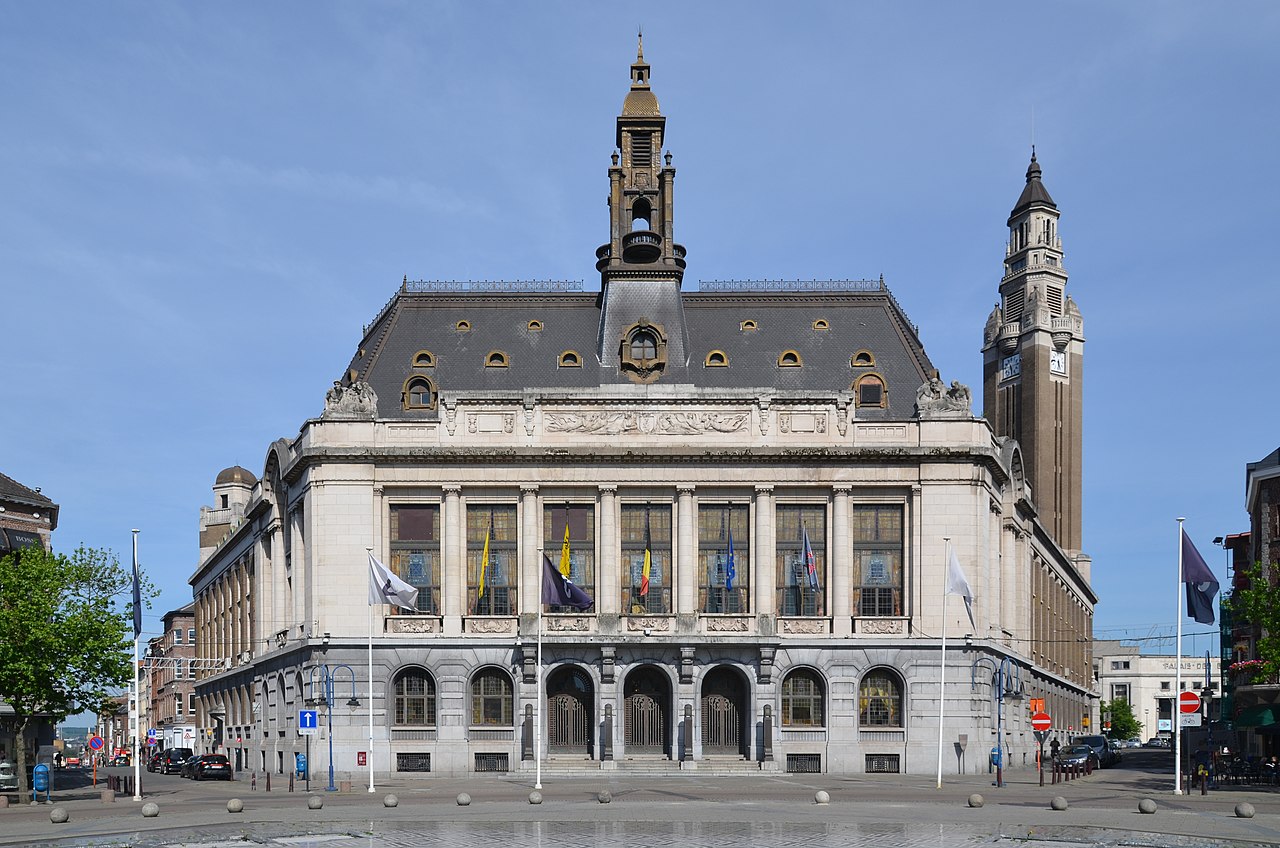
Charleroi preserves significant industrial heritage sites that attract visitors and researchers. Notable examples include the former coal mine complex Bois du Cazier, museums dedicated to photography and industrial history, civic architecture, and public art. The city supports theatres, cultural centres and annual events that reflect its working-class past and contemporary creative scene.

Transport and administration
- Transport: Charleroi is served by Brussels South Charleroi Airport (a regional airport with low-cost carriers) and several rail and road connections to Brussels and other Belgian cities.
- Local transit: a light-rail/tram network and bus services connect municipal districts and suburbs.
- Administration: the municipal government manages services for a diverse urban population and oversees ongoing regeneration projects.
Today Charleroi is often described as a city in transition: retaining visible reminders of its industrial past while investing in culture, heritage tourism and service-sector opportunities. The mix of industrial monuments, civic institutions and community initiatives illustrates both the challenges and resilience of post-industrial European cities.
Related articles
Author
AlegsaOnline.com Charleroi, Belgium Leandro Alegsa
URL: https://en.alegsaonline.com/art/18681
Sources
- statbel.fgov.be : Werkelijke bevolking per gemeente op 1 januari 2007 / Population de droit par commune au 1 janvier 2007 (.xls)
- statbel.fgov.be : Geografische coördinaten van de gemeenten (.xls)
- commons.wikimedia.org : Charleroi