
Namur (city) — capital of Wallonia and the province of Namur
Namur is the capital of Wallonia and the province of Namur in southern Belgium, at the confluence of the Sambre and Meuse rivers. Known for its citadel, riverfront, university and regional administration.

Overview
Namur (Walloon: Nameûr, Dutch: Namen) is a city in Belgium that serves as both the capital of the province of Namur and the regional capital of Wallonia. It lies where the Sambre flows into the Meuse and occupies a strategic position in southern Belgium. The city is in the French-speaking part of the country and is commonly referenced simply as Namur in international contexts. In 2012 the municipality had about 112,246 inhabitants.
Image gallery
10 Images




Geography and layout
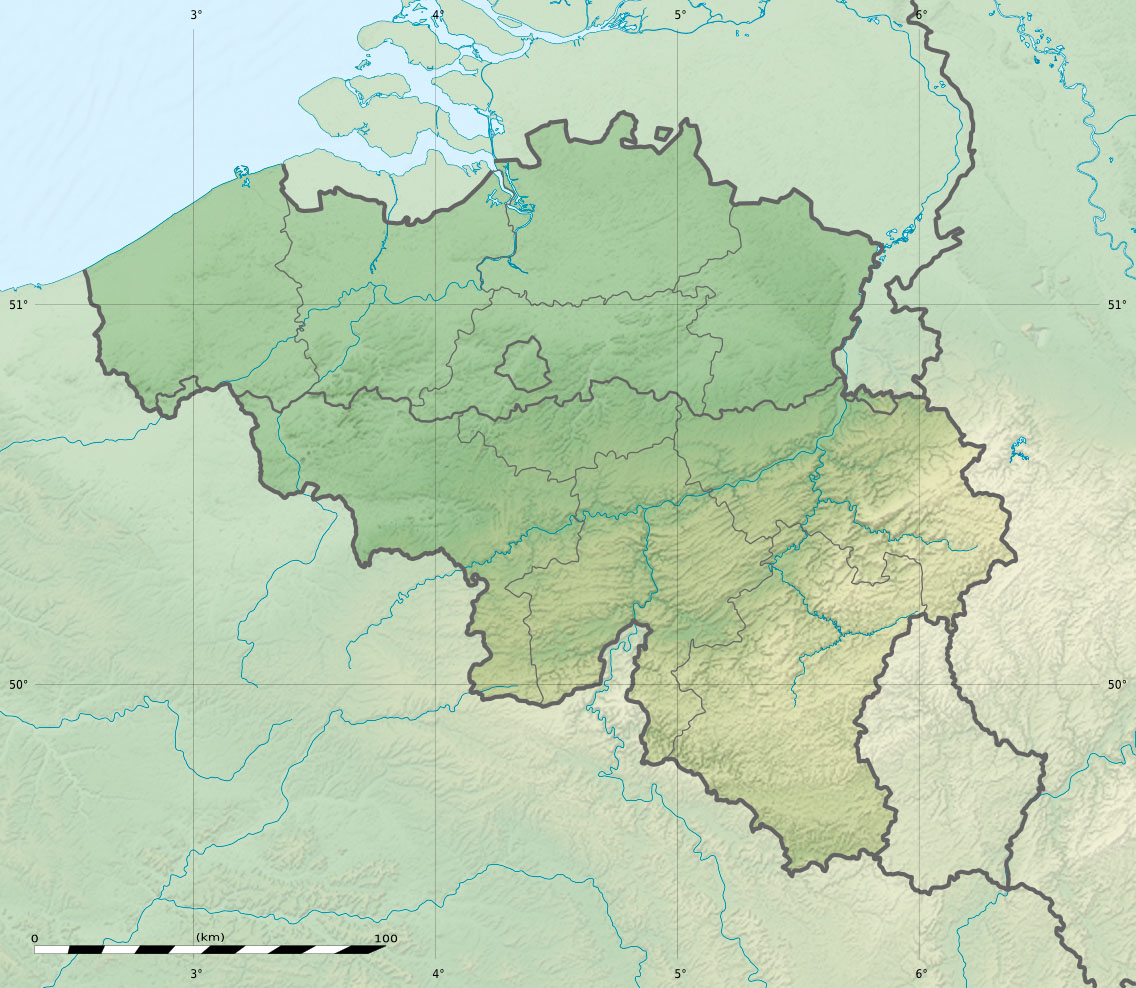
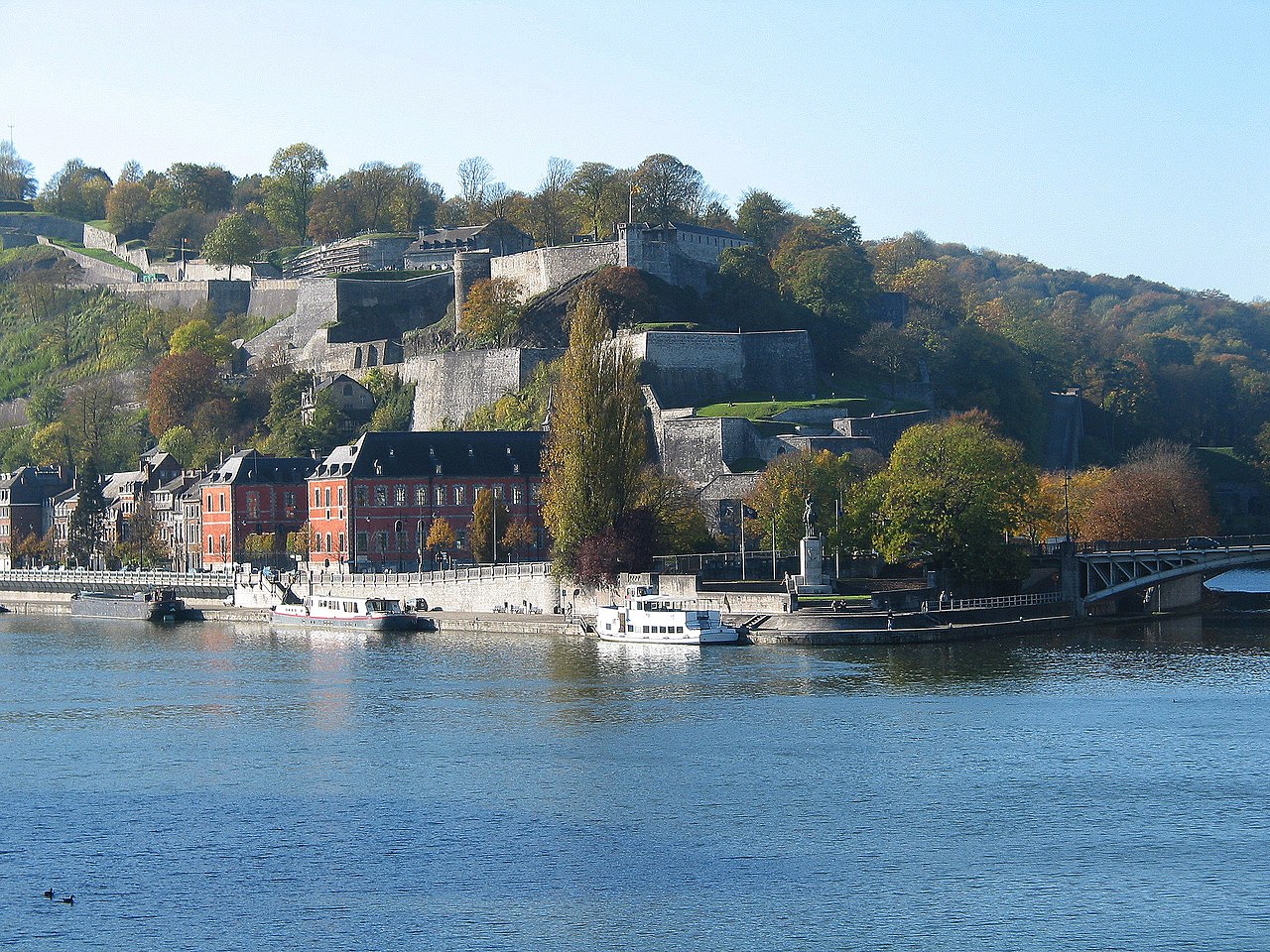
Namur's historic core sits on a promontory overlooking the rivers, with the old town clustered around the quays and main squares. The urban area combines medieval streets, 19th- and 20th-century neighborhoods, and suburban residential zones. Its location at approximately 50°27′N, 4°51′E made it a traditional river port and a crossroads for road and rail connections across Belgium.

History and development
The site has been occupied since ancient times and developed through the Middle Ages as a fortified town. Control of Namur was important for regional trade and military strategy because of its rivers and natural high ground. Over centuries its citadel was expanded and rebuilt by various powers. In the modern era, Namur evolved into an administrative and service center while preserving much of its historical fabric.
Economy, education and culture
Today Namur's economy combines public administration, education, small industry and services. It hosts the University of Namur and several research and cultural institutions. Museums, galleries and annual festivals contribute to the city's cultural life, and local heritage includes churches, civic buildings and museums such as those dedicated to regional artists.
Notable features and transport
Key attractions include the elevated citadel with panoramic views, the compact old town, riverside promenades and cultural venues. Transport links are good: regional rail services connect Namur to Brussels and other Belgian cities, while the Meuse remains a corridor for freight and leisure navigation. Typical visitor activities include walking the historic streets, visiting the citadel and enjoying riverfront cafés.
Practical distinctions
- Administrative role: capital of both a province and a region.
- Language: predominately French-speaking, with Walloon and Dutch historical names.
- Landscape: notable confluence of the Sambre and Meuse rivers.
For further reading and official information, consult regional resources and municipal publications linked through authoritative portals and guides.
Related articles
Author
AlegsaOnline.com Namur (city) — capital of Wallonia and the province of Namur Leandro Alegsa
URL: https://en.alegsaonline.com/art/68208
Sources
- statbel.fgov.be : Geografische coördinaten van de gemeenten (.xls)
- commons.wikimedia.org : Namur