
Bălţi: Northern Moldova’s regional centre and historical city
Overview of Bălţi, a major northern city of Moldova: geography, history, economy, culture, transport and notable distinctions.
Overview
Bălţi is a principal urban centre in the north of modern Moldova, widely regarded as the country's third-largest city. It lies roughly 135 kilometres north of the capital and developed as a regional hub for trade, light industry and education. The city is often referenced in historical documents under alternate spellings; its contemporary Romanian spelling is Bălţi, while older sources in other languages use different forms.
Image gallery
10 Images




Geography and urban character
Bălţi stands on a series of gentle hills along the small Răut River, a tributary of the larger Dniester. The terrain was once densely forested during the medieval period before much of the woodland was cleared over centuries for agriculture and settlement. The city's layout combines a historic core with Soviet-era apartment districts and more recent commercial developments.
History and names
The settlement became prominent under changing states and administrations. In the 19th century and into the 20th it experienced influences from the Russian Imperial administration and later the Soviet system; those periods affected local administration, language use and place names. Many historical accounts and maps use alternate transliterations of the name, reflecting administrative languages of various eras.
Economy, culture and institutions
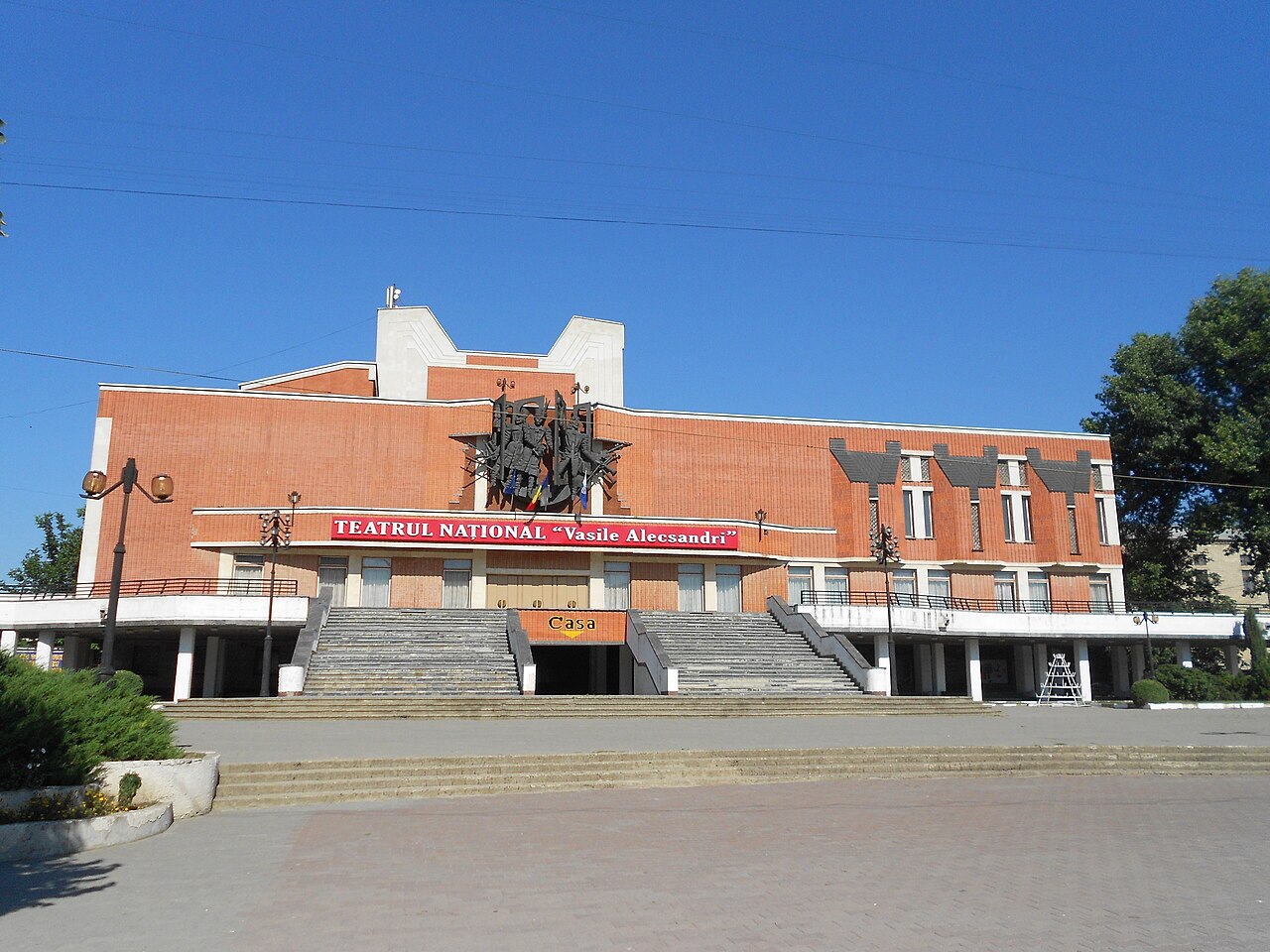
As a northern regional capital, Bălţi has long hosted light industry, food processing and transport services, alongside cultural institutions such as theatres, museums and higher education facilities. The city functions as a service and market centre for surrounding rural districts and plays a significant role in regional cultural life.
Transport, connectivity and examples
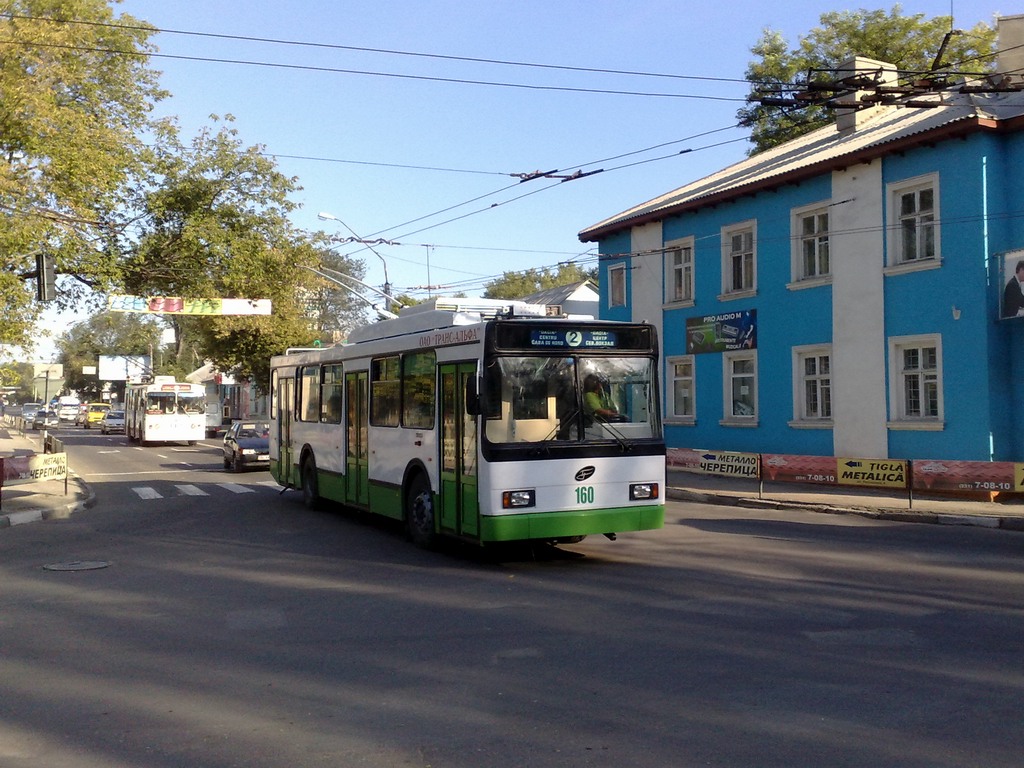
Road and rail links connect Bălţi with other Moldovan cities and neighbouring regions. Its position on the Răut basin and proximity to major east–west routes have made it an important node for movement of goods and people. Local public transport, regional bus lines and railway services form the backbone of daily mobility.
Notable distinctions and further reading
Key aspects often noted by visitors and researchers include the city’s layered history, the transformation of its landscape from medieval forest to cultivated land, and the legacy of different administrative periods. For concise reference and additional context, consult regional summaries and historical overviews linked below:
- General city profile
- Country context
- Moldova overview
- Russian Imperial period
- Dniester basin
- Landscape and relief
- Regional geography
- Medieval background
- Environmental change and forests
Note: This summary is intended as an accessible introduction to Bălţi. For detailed demographic, economic or architectural data consult specialized studies and official municipal sources.
Related articles
Author
AlegsaOnline.com Bălţi: Northern Moldova’s regional centre and historical city Leandro Alegsa
URL: https://en.alegsaonline.com/art/8594