
Pyrénées-Atlantiques
A department in southwestern France spanning the Pyrenees mountains to the Atlantic coast, home to Béarn and the French Basque Country with diverse landscapes, languages, and tourist attractions.
Overview
Pyrénées-Atlantiques is a department in southwestern France that stretches from the Pyrenees mountain range to the Atlantic Ocean. Its name reflects this contrast of high peaks and coastal plain. The territory lies within the larger administrative area of Nouvelle-Aquitaine and is one of France's departments (administrative divisions) within the national state of France. Local languages and traditions include Gascon and Basque: the Gascon form is often cited alongside Basque variants (Basque names).
Image gallery
10 Images




Geography and main places
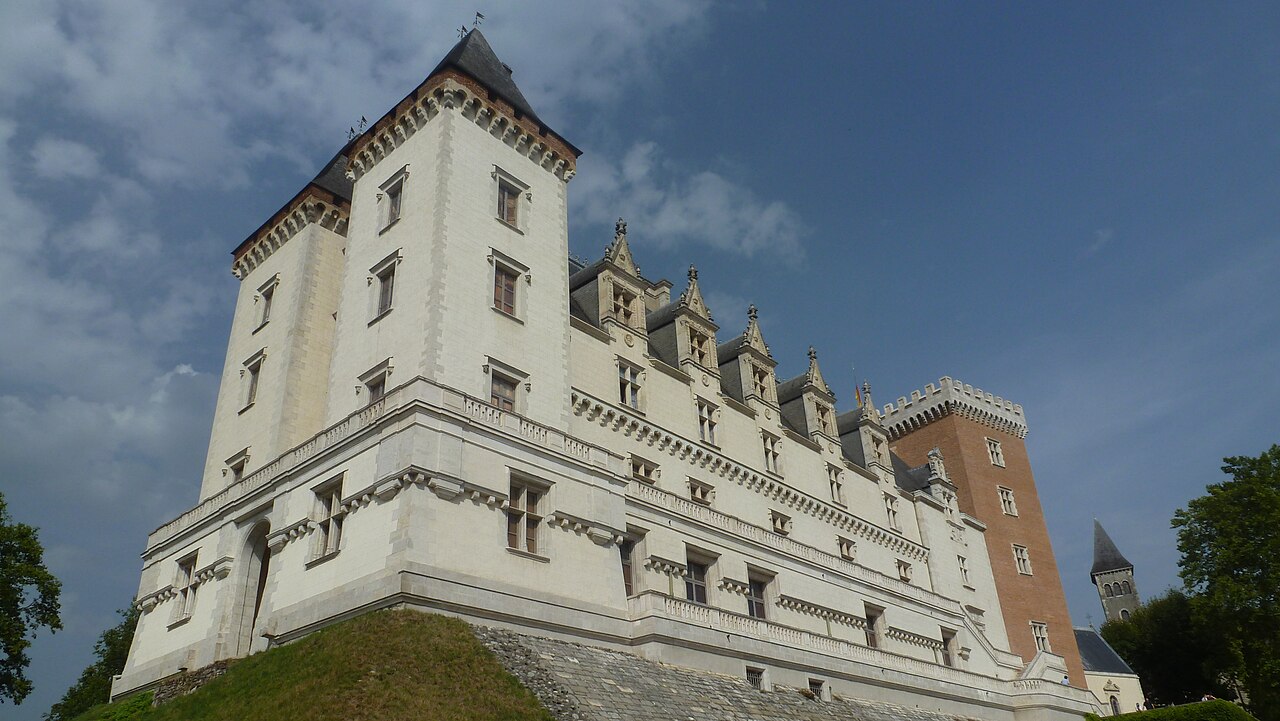
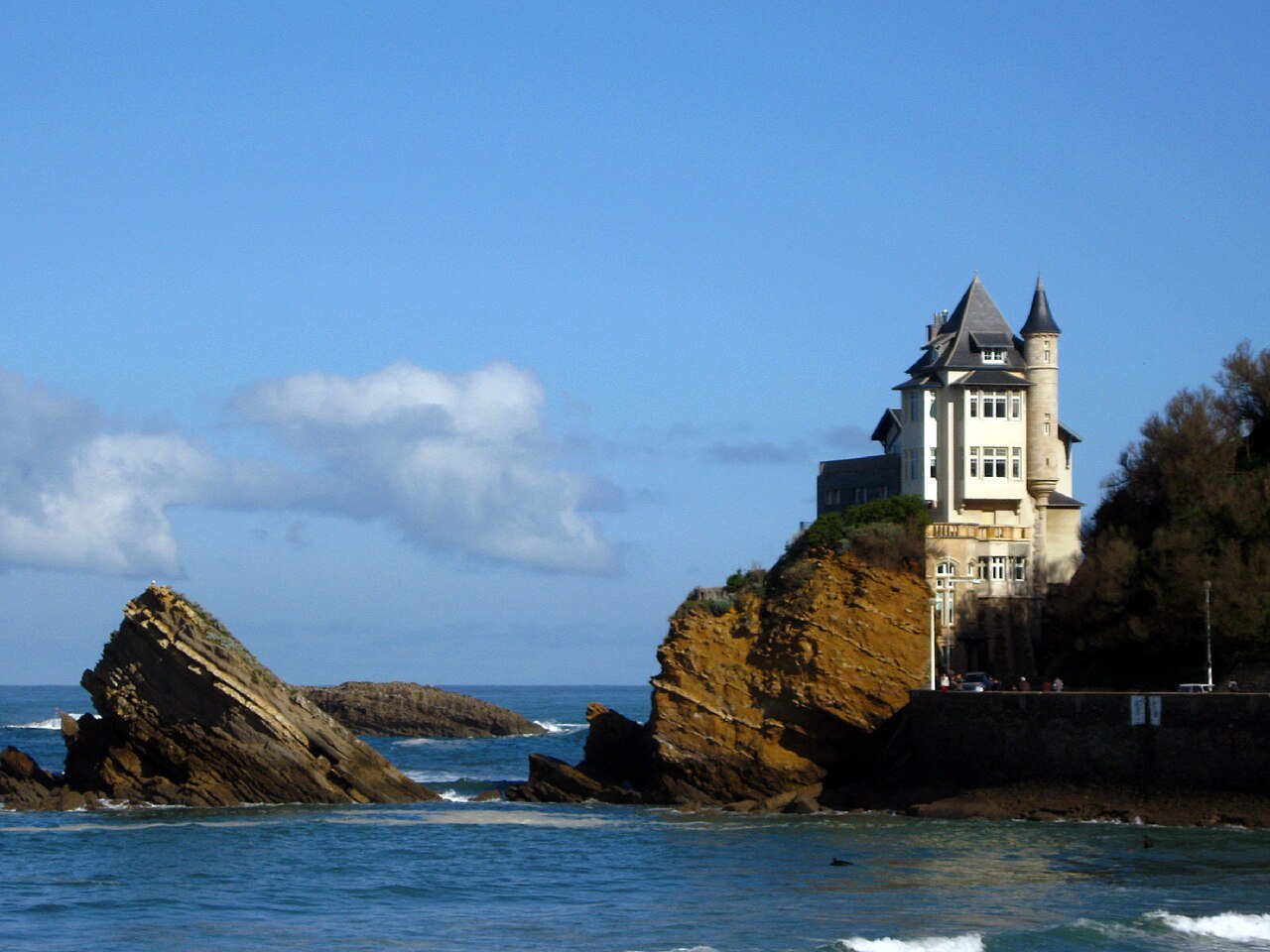
The landscape ranges from sandy beaches and surf-friendly bays on the Atlantic coast to steep, glaciated valleys in the Pyrenees. Important urban centers and seaside resorts serve as cultural and economic hubs, and smaller mountain towns anchor inland life. Typical places of interest include:
- Pau and other historic towns on the foothills
- Coastal towns and resorts that face the Atlantic Ocean
- Highland valleys and passes that lead toward the Pyrenees
History and identity
The department's territory brings together two historic provinces: Béarn and the French Basque Country. Its modern administrative form dates from the reorganization of France during the late 18th century, while older cultural identities have evolved over centuries. Bilingual signs, place names and regional customs reflect this layered past.
Economy, culture and tourism
The local economy combines agriculture, small industry, and a significant tourism sector. Coastal resorts attract sea bathing and surfing; mountain areas draw hikers, climbers and winter sports enthusiasts. Gastronomy and traditional crafts are important to cultural tourism, and regional products circulate in domestic and international markets.
Distinctive features and mobility
Pyrénées-Atlantiques is notable for its cultural duality and varied environments in a compact territory. Transport links connect the coastal corridor, the interior plains and the mountain passes; these connections support seasonal tourism and longer-standing trade routes. Visitors and residents alike often consult regional resources for practical information and events via official and local portals (see regional services, mountain guides, coastal resources, and cultural directories such as Basque cultural sites or departmental services). Additional background and travel guidance are available through broader regional pages (national context).
Questions and answers
Q: What is Pyrénées-Atlantiques?
A: Pyrénées-Atlantiques is a department located in the Nouvelle-Aquitaine region of France.
Q: What language is spoken in Pyrénées-Atlantiques?
A: The Gascon and Basque languages are spoken in Pyrénées-Atlantiques.
Q: What is the origin of the name Pyrénées-Atlantiques?
A: Pyrénées-Atlantiques takes its name from the Pyrenees mountains and the Atlantic Ocean.
Q: In which region of France is Pyrénées-Atlantiques located?
A: Pyrénées-Atlantiques is located in the Nouvelle-Aquitaine region of France.
Q: What is the geological feature that gave its name to Pyrénées-Atlantiques?
A: The Pyrenees mountains gave its name to Pyrénées-Atlantiques.
Q: What bodies of water are close to Pyrénées-Atlantiques?
A: The Atlantic Ocean is close to Pyrénées-Atlantiques.
Q: What is the meaning of the Basque name for Pyrénées-Atlantiques?
A: The Basque name for Pyrénées-Atlantiques can be translated to "Pyrénées-Atlantiennes" or "Pyrénées-Atlantiques" in French.
Related articles
Author
AlegsaOnline.com Pyrénées-Atlantiques Leandro Alegsa
URL: https://en.alegsaonline.com/art/80237
Sources
- le64.fr : "Le président, Jean-Jacques Lasserre"
- insee.fr : "Département des Pyrénées-Atlantiques (64) - Résumé statistique"
- insee.fr : "Populations légales 2014: Recensement de la population - Régions, départements, arrondissements, cantons et communes"
- splaf.free.fr : "Historique des Pyrénées-Atlantiques"
- peakbagger.com : "Pic Palas, France/Spain"
- weatherbase.com : "Uzein, France - Köppen Climate Classification"
- insee.fr : "Département des Pyrénées-Atlantiques (64)"
- insee.fr : "Régions, départements, arrondissements, cantons et communes"
- insee.fr : "Département des Pyrénées-Atlantiques (64)"
- legifrance.gouv.fr : "Décret n° 2014-248 du 25 février 2014 portant délimitation des cantons dans le département des Pyrénées-Atlantiques"
- habitants.fr : "Pyrénées-Atlantiques (64)"