
Sabbath in Christianity: Origins, Practices, and Variations
Overview of how Christians understand and observe the Sabbath (Lord’s Day), its biblical roots, historical development, denominational differences, and common practices.
The Christian understanding of the Sabbath centers on a day set aside for worship, rest, and devotion to God. Its roots lie in the Hebrew Shabbat and in the Creation account in Genesis, where God rests on the seventh day. Over centuries Christianity developed the concept of the Lord's Day, commonly observed on Sunday, while a minority of groups continue to keep Saturday as the weekly day of rest.
Image gallery
5 Images


Core meanings and practices
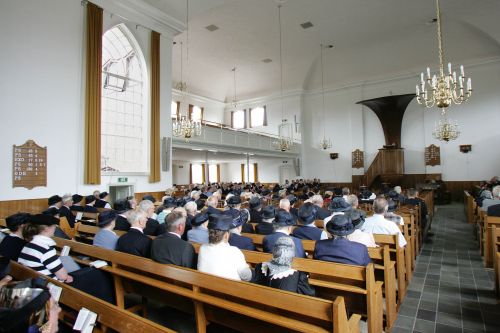
For many Christians the Sabbath (often called the Lord's Day) is primarily a time for communal worship, scripture reading, prayer, and acts of charity. Practices vary widely: some churches emphasize public liturgy and Eucharist, others encourage family worship and deliberate rest from paid work. Theological emphases range from strict prohibition of weekday labors to a more flexible approach that highlights spiritual rest and renewal.
Historical development
In the first centuries of the church the earliest Christians, emerging from Jewish backgrounds, met on the first day of the week to commemorate the resurrection of Jesus. Over time this practice became normative in most Christian communities. Legal and social reinforcement—most notably in the Roman Empire—helped enshrine Sunday as a day of rest, while theological reflection considered the Sabbath’s meaning in light of Christ’s work and the New Testament emphasis on freedom from the Mosaic ceremonial law.
Denominational differences
- Most Western and Eastern churches: observe Sunday as the primary day for worship and rest.
- Seventh-day communities: such as Seventh-day Adventists and some Baptists, observe Saturday as the Sabbath.
- Sabbatarian movements: within Protestantism stress Sunday observance as a moral obligation and often restrict secular activities.
- Other perspectives: many contemporary Christians treat Sabbath principles as guiding rhythms—regular rest and worship—rather than strict legal requirements.
Significance and modern relevance
The Sabbath remains important as a mark of religious identity, a source of spiritual replenishment, and a social rhythm that counters nonstop work. Modern discussions also connect Sabbath observance to issues of mental health, family life, and economic justice. Theological debates continue about how the commandment relates to Christian liberty, with some seeing a fulfilled rest in Christ and others urging concrete practices of weekly cessation from commerce and labor.
For further reading on practices and historical detail see resources on Jewish origins and Christian development of the Sabbath and denominational statements on worship and rest, including summaries by major church denominations.
References to scriptural passages and liturgical traditions are often cited in discussions of the Sabbath: consult primary texts and denominational catechisms for precise doctrinal positions and pastoral guidance.
Questions and answers
Q: What is Sabbath in Christianity?
A: Sabbath in Christianity is the day of rest and service to God.
Q: Where does the idea of the Sabbath in Christianity come from?
A: The idea of the Sabbath in Christianity comes directly from the idea of the Sabbath (or Shabbat) in Judaism.
Q: What does the word "Sabbath" mean?
A: The word "Sabbath" itself comes from the Hebrew word Shabbat.
Q: What story does it come from?
A: Like the Jewish Sabbath (Shabbat), the Sabbath in Christianity comes from the Genesis story of Creation.
Q: On which day do most Christians observe their Sabbath?
A: Most Christians have their Sabbath on Sunday, not Saturday.
Q: How do Christians typically observe their Sabbaths differently than Jews?
A: While both groups rest, they do so differently according to church denomination.
Q: Does every Christian denomination celebrate their Sabbaths similarly?
A: No, each denomination celebrates their Sabbaths differently depending on its own beliefs and practices.
Related articles
Author
AlegsaOnline.com Sabbath in Christianity: Origins, Practices, and Variations Leandro Alegsa
URL: https://en.alegsaonline.com/art/85093
Sources
- tools.wmflabs.org : Genesis 2:1–3
- tools.wmflabs.org : 2 Corinthians 5:17
- tools.wmflabs.org : Luke 14:5
- tools.wmflabs.org : Exodus 20:8–11
- tools.wmflabs.org : Exodus 16:23,29–30
- tools.wmflabs.org : Matthew 5:17–19
- tools.wmflabs.org : Exodus 31:16
- newadvent.org : "Website of the New Adventist Church"