
Sacrament of Marriage (Catholic Church)
An overview of the Catholic sacrament of marriage: its meaning, essential elements, canonical and civil context, pastoral practice, history, and key distinctions.
Overview
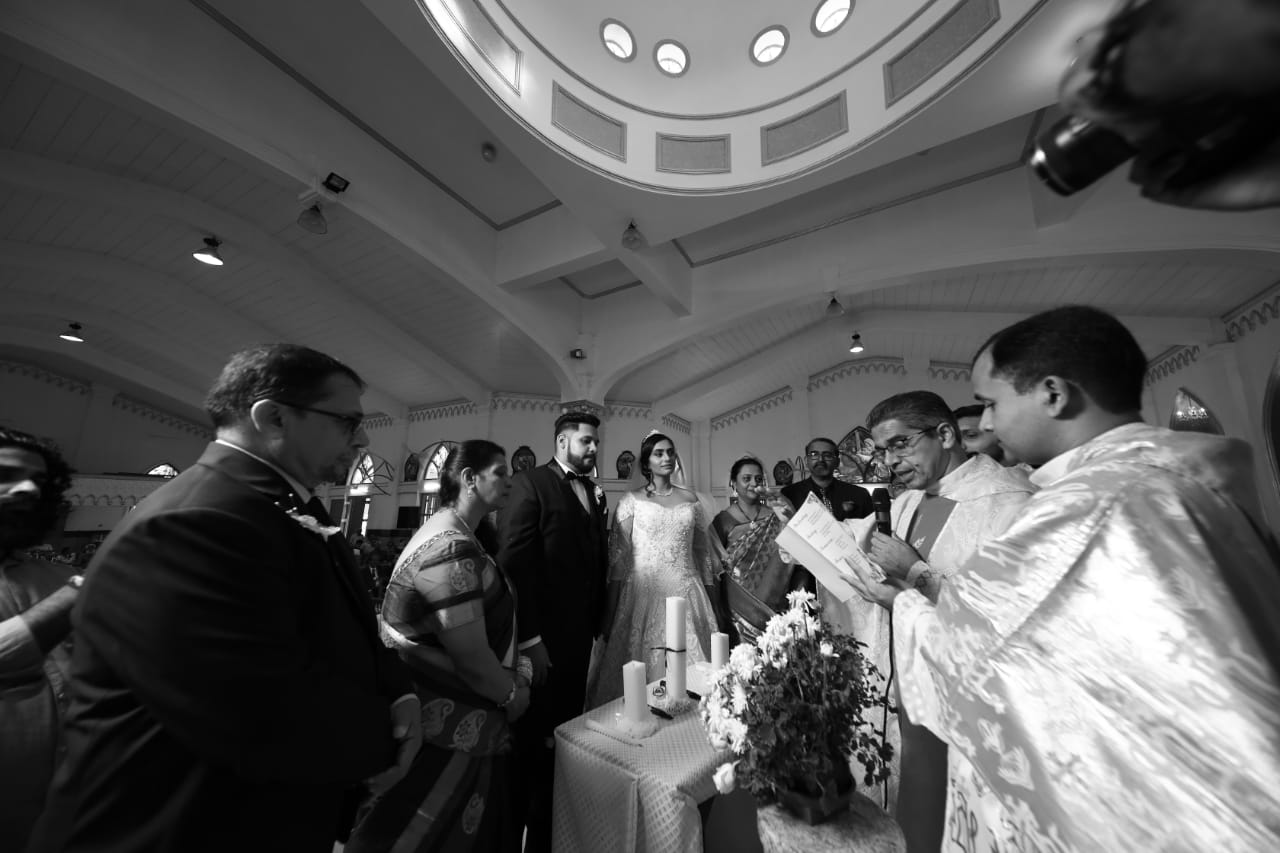
The sacrament of marriage in the Catholic Church is the lifelong covenant by which a baptized man and a baptized woman establish a partnership ordered to the good of the spouses and the procreation and education of offspring. In Catholic theology marriage is both a natural institution and, between baptized partners, a sacrament that confers grace to live the married vocation. The Church speaks of marital consent as the essential act that makes the union; spouses themselves are the ministers of that consent.
Image gallery
10 Images





Characteristics and essential elements
For a marriage to be recognized as a valid Catholic sacrament several conditions are typically required: mutual free consent, sufficient capacity to marry, absence of impediments, and observance of canonical form or a lawful dispensation. Important elements include:
- Consent: the free and informed exchange of vows by the two parties.
- Capacity: legal and psychological ability to assume marital obligations.
- Openness to children: the marital union is ordered to procreation and family life.
- Canonical form: celebration according to Church norms unless dispensed.
These aspects are often discussed alongside terms such as marriage contract and the requirement that the parties be baptized when speaking of sacramental marriage. In Catholic doctrine marriage is understood as a union of a man and a woman (opposite sex).
Historical development
The Church’s understanding of marriage developed from Jewish and Greco‑Roman customs through reflection by the early Church Fathers and later theological synthesis. Over centuries, ecclesiastical legislation and pastoral practice shaped distinctive norms—defining marriage as a sacrament between baptized Christians, clarifying impediments, and setting form requirements. These norms were later codified in the Church’s law and pastoral guidelines.
Pastoral practice, civil law, and legal interaction
Pastoral preparation frequently includes premarital instruction (often called "pre‑Cana") and canonical paperwork to establish freedom to marry. The Church’s regulation of marriage operates alongside secular systems: many countries require civil registration and the Church recognizes that marriage may have both sacramental and civil dimensions. The sacrament is thus governed by divine and canonical law and interacts with civil law in areas such as registration, property, and parental rights.
Effects, distinctions and notable points
Key spiritual effects include a special grace to live marital duties, fidelity, and the indissoluble bond that ends only at the death of one spouse. When a marriage is judged never to have been validly contracted, the Church may issue a declaration of nullity (commonly called an annulment), which is a statement about the original validity, not a civil divorce. The Roman Catholic Church does not perform or recognize same‑sex marriages, a position that distinguishes its sacramental discipline from civil laws in some countries and from practices of other Christian communities. Other religions and Christian traditions have different teachings and pastoral approaches to marriage.
For further reading on canonical norms and pastoral resources consult official diocesan guidelines and recognized catechetical materials: many local churches publish instructions and links to formation programs.
Questions and answers
Q: What is the sacrament of marriage in the Catholic Church?
A: The sacrament of marriage in the Catholic Church is the marriage contract between two baptized persons of the opposite sex.
Q: What is the purpose of the sacrament of marriage in the Catholic Church?
A: The purpose of the sacrament of marriage in the Catholic Church is to provide each person with an irrevocable and exclusive right over the body of the other for the purposes of procreation.
Q: When does marriage end according to the Catholic Church?
A: Marriage ends with the death of either person.
Q: What laws regulate the sacrament of marriage in the Catholic Church?
A: The sacrament of marriage is regulated by divine law, church law, and civil law.
Q: Does the Roman Catholic Church recognize same-sex marriages?
A: No, the Roman Catholic Church does not perform or recognize same-sex marriages.
Q: Do other religions have different regulations and customs governing marriage?
A: Yes, religions other than Roman Catholicism have different regulations and customs governing marriage.
Q: Is the right acquired under the sacrament of marriage in the Catholic Church temporary or irrevocable?
A: The right acquired under the sacrament of marriage in the Catholic Church is irrevocable.
Related articles
Author
AlegsaOnline.com Sacrament of Marriage (Catholic Church) Leandro Alegsa
URL: https://en.alegsaonline.com/art/85146