
Ballarat, Victoria — major inland city in central Australia
Ballarat is a regional city in central Victoria, Australia, known for its Gold Rush history, Victorian architecture, museums and as the largest non‑coastal city in the state, about 105 km northwest of Melbourne.
Overview
Ballarat is a regional city in central Victoria, Australia, often noted for its 19th‑century Gold Rush heritage. It lies about 105 km (65 mi) north‑west of Melbourne and covers an urban area of roughly 7,500 hectares (18,533 acres). With a population of around 90,000 residents, it is the third largest city in Victoria after Melbourne and Geelong, and the largest city in the state that is not on the coast. See general information at Ballarat.
Image gallery
10 Images


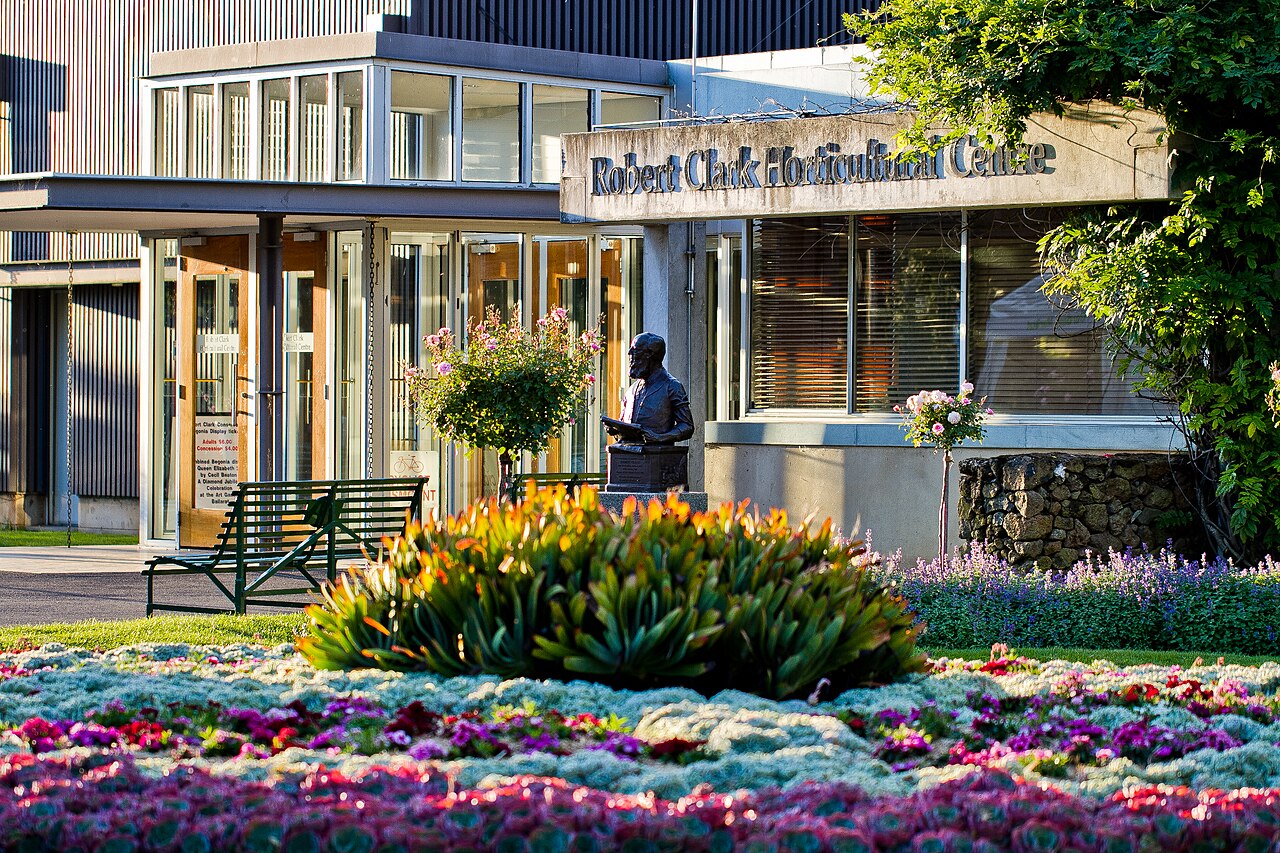


Geography and climate
Ballarat sits on gently undulating plains in the Central Highlands of Victoria. The region experiences a temperate, oceanic‑influenced climate: cool winters, mild summers and relatively even rainfall through the year. Parks and tree‑lined streets are characteristic of the city, which expanded from a compact historic centre into surrounding suburbs and semi‑rural land.
History and development
Ballarat rose to prominence during the Victorian Gold Rush of the 1850s, when alluvial and reef gold discoveries attracted thousands of prospectors. The period left a dense legacy of Victorian architecture and infrastructure. The 1854 Eureka Stockade, a miners’ protest considered a key event in Australia’s democratic development, is strongly associated with Ballarat. Historical interpretations and re‑enactments are among the city’s defining visitor experiences.
Economy, institutions and transport
The local economy blends tourism, education, health services, light manufacturing and agriculture in the surrounding district. Major institutions include campuses of regional universities and a range of public and private hospitals. Ballarat is linked to Melbourne and other regional centres by rail and highway, making it both a commuter centre for some and a destination for cultural and heritage tourism.
Culture and attractions
Ballarat hosts museums, galleries and preserved historic precincts. Notable sites and activities include:
- Sovereign Hill and open‑air gold town reconstructions, illustrating life in the 1850s.
- Heritage architecture across the city centre, including civic buildings and churches.
- Contemporary arts venues, festivals and community events that reflect regional culture.
Governance and notable facts
Ballarat is administered by a municipal council responsible for local planning and services. Its identity combines mining‑era history with modern regional functions: education, healthcare and cultural tourism. As Victoria’s principal inland city, Ballarat plays an important role in the state’s regional network and attracts visitors interested in Australian history, architecture and regional life.
Questions and answers
Q: Where is Ballarat located?
A: Ballarat is located in central Victoria, Australia.
Q: How many people live in Ballarat?
A: Approximately 90,200 people live in Ballarat.
Q: What is the population rank of Ballarat among cities in Victoria?
A: Ballarat is the third biggest city in Victoria, after Melbourne and Geelong.
Q: Is Ballarat a coastal city?
A: No, it is not. It is the biggest city that is not on the coast in Victoria.
Q: How far away from Melbourne is Ballarat?
A: It is about 105 km (65 mi) north-west of Melbourne.
Q: What area does the city cover?
A: The city area covers about 7,500 ha (18,533 acres).
Related articles
Author
AlegsaOnline.com Ballarat, Victoria — major inland city in central Australia Leandro Alegsa
URL: https://en.alegsaonline.com/art/8526
Sources
- commons.wikimedia.org : Ballarat, Victoria
- censusdata.abs.gov.au : "2016 Census Community Profiles: Ballarat"
- ballaratgenealogy.org.au : ballaratgenealogy.org.au
- premierpostal.com : Post Office List
- railgeelong.com : "Rail Geelong - Geelong Line Guide"
- wendoureewest.com : "Wendouree West"
- damascus.vic.edu.au : "Life @ Damascus - Curriculum Overview"