
Russian Academy of Sciences: history, structure and role in research
The Russian Academy of Sciences (RAN) is a nationwide network of research institutes, libraries and publishers founded in 1724; it recognizes leading scientists and coordinates basic and applied research across Russia.
Overview
The Russian Academy of Sciences (RAN; Russian: Российская академия наук, РАН) is a nationwide network of scientific research institutes, scholarly bodies and support units across the Russian Federation. Founded in 1724 as the St. Petersburg Academy of Sciences, the institution has long combined the functions of a learned academy — awarding membership as an academic distinction — with those of an operator and coordinator of research institutes, observatories, libraries and publishing houses. The Academy's historic headquarters and main campus information are often referenced in official sources and coordinates are available for reference here.
Image gallery
8 Images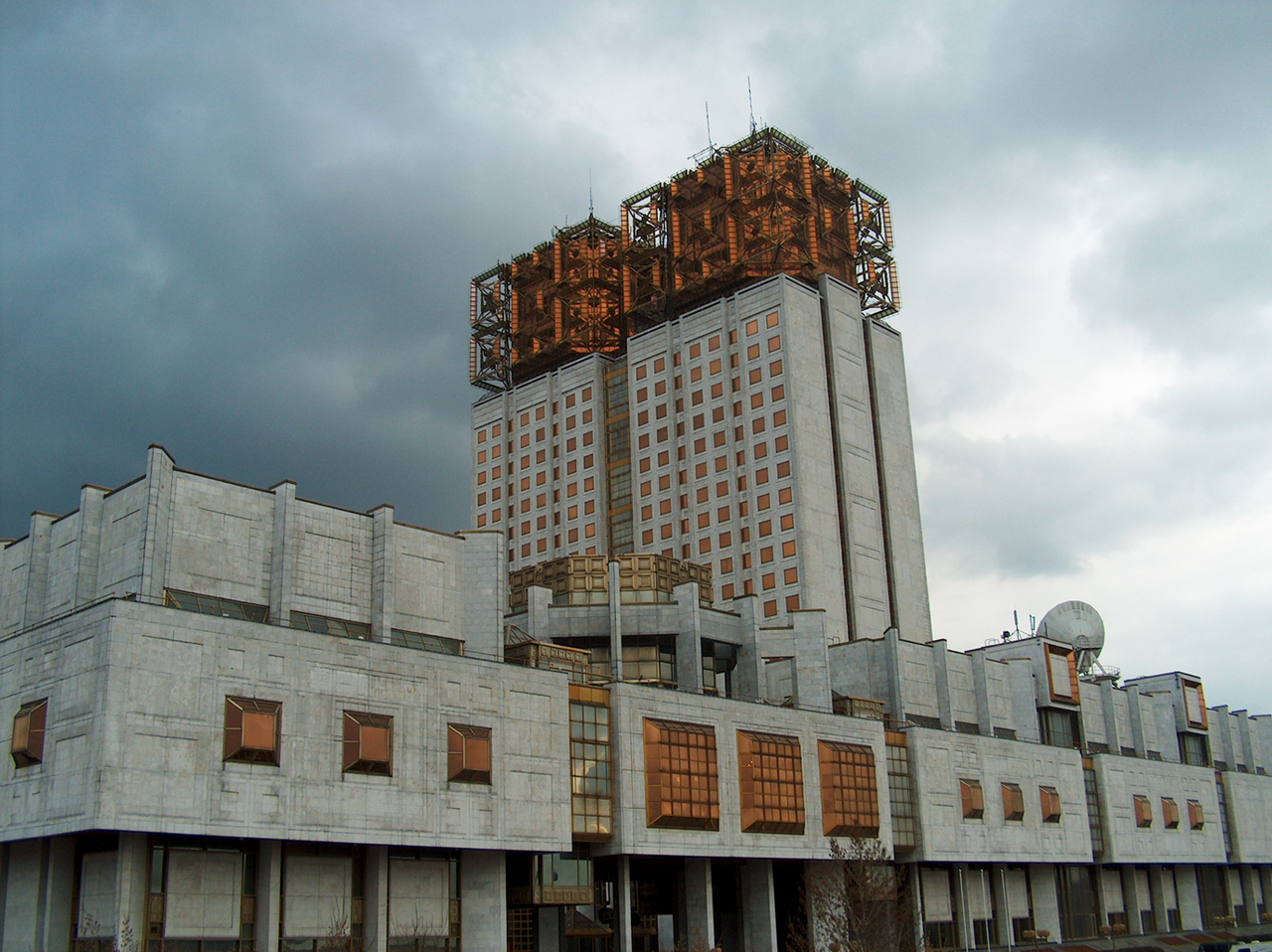




History
The Academy was established in the early 18th century by imperial decree to promote science, translation and the study of natural history and geography. Over two centuries it evolved through periods of reform and expansion, becoming the chief national scientific institution in Imperial Russia and later in the Soviet Union. Following the political changes of the late 20th century, the Academy retained its scholarly mission while adjusting to new administrative and funding arrangements in the post‑Soviet period. For background on institutional developments and continuity, see historical summaries on the academy's history.
Organization and membership
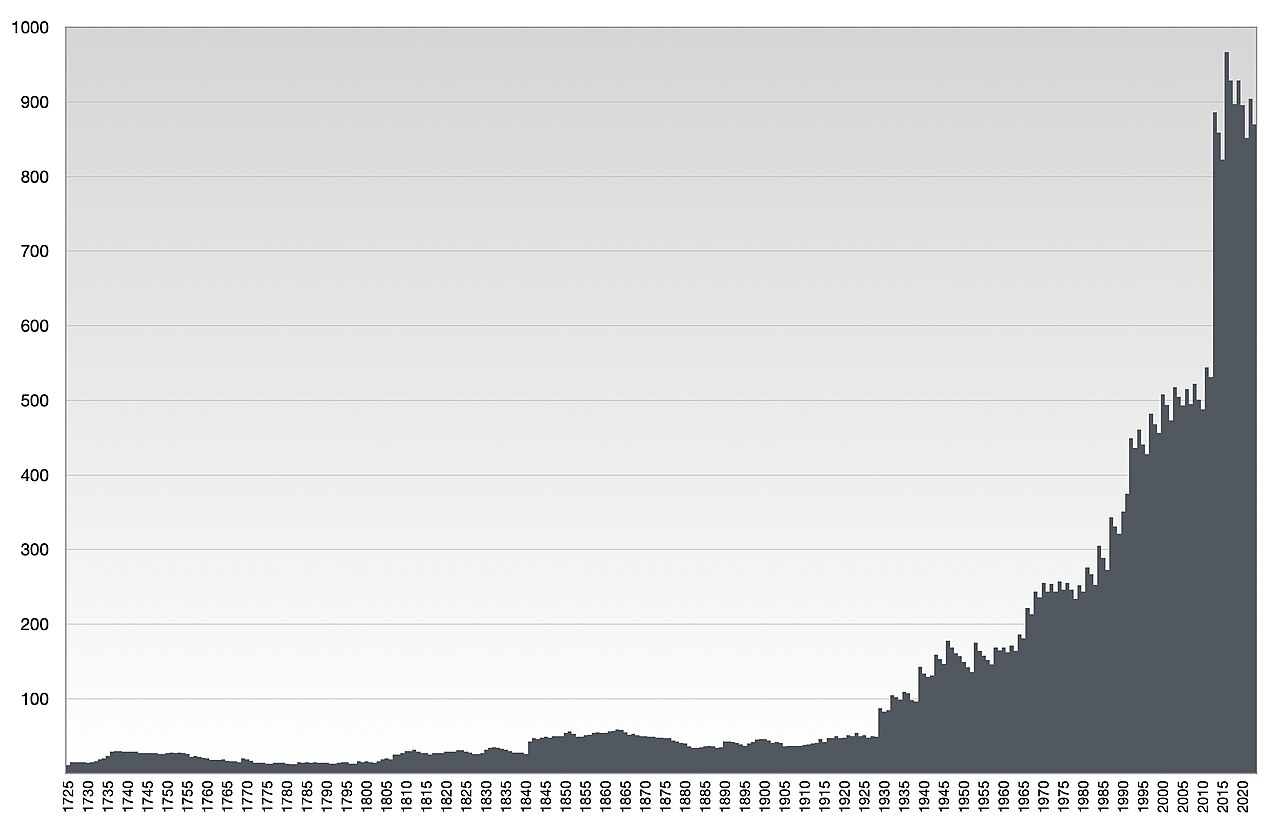
RAN operates through a central presidium and a system of disciplinary and regional branches that coordinate a large number of institutes and laboratories. The Academy recognizes scientific achievement through a tiered membership system. The principal categories are academicians (full members), corresponding members and RAN professors. According to recent published membership rolls, there are several hundred academicians and more than a thousand corresponding members; RAN professors form an additional professional category. Election to these ranks is an honor that marks a researcher's standing in the Russian scientific community; the Academy holds periodic elections and maintains procedures for nomination and review describing professorships and elections.
Research disciplines and facilities
The Academy spans a broad range of disciplines: mathematics and physics; chemistry and materials science; biology and medicine; earth and environmental sciences; engineering and technology; and social sciences and the humanities. Its institutes carry out long‑term basic research, support advanced experimental facilities, maintain scientific collections and operate national research infrastructure such as observatories, botanical and zoological collections, and specialized laboratories. The institutional network also includes academic presses and scientific libraries that support publishing and archival work on libraries and publishing units.
Activities, advisory role and public engagement
Beyond research, RAN contributes to national science policy by providing expert assessments, participating in peer review of major projects, and delivering policy advice to governmental and non‑governmental bodies. Its members and institutes engage in education and training, international collaborations and the dissemination of scientific results through journals, conferences and public outreach. The Academy also maintains clinical and medical research facilities associated with biomedical institutes that support healthcare research.
Comparative perspective and contemporary relevance
Compared with some national learned societies, the Russian Academy of Sciences is notable for supervising a large, distributed institutional network in addition to functioning as an honorific academy. It has long been a repository of national scientific collections, historical archives and research infrastructure. The Academy collaborates with foreign counterparts and participates in international research programs; comparative resources and cooperation links are available for similar national academies and for international partnerships.
Resources and further reading
- Official coordinates and campus information
- Russian name and official terminology
- Detailed history of the academy
- Overview of the network of research institutes
- Catalogues and lists of affiliated laboratories
- Libraries and archival collections
- Publishing units, journals and academic presses
- Clinical and medical research facilities
- Soviet-era institutions and transformations
- Comparative national academies
- International collaborations and partnerships
- RAN professorships and election procedures
The Academy remains an influential scholarly institution in Russia, continuing to support basic research and to recognize scientific achievement across a wide range of fields. For contemporary membership statistics, governance details and official announcements, refer to the Academy's published rolls and press releases.
Related articles
Author
AlegsaOnline.com Russian Academy of Sciences: history, structure and role in research Leandro Alegsa
URL: https://en.alegsaonline.com/art/84823