
The Royal Society: Britain's Academy for the Natural Sciences
The Royal Society is the United Kingdom's independent scientific academy, founded in 1660 to promote natural knowledge through fellowship, publication, awards and advice to government.
Overview
The Royal Society is a learned academy and fellowship for the natural sciences in the United Kingdom. Established in the 17th century, it supports scientific excellence, fosters international collaboration and communicates research to the public and policymakers. Often described as the oldest continuously active scientific academy, it plays a central role in shaping scientific culture and standards.
Image gallery
10 Images



History and origins
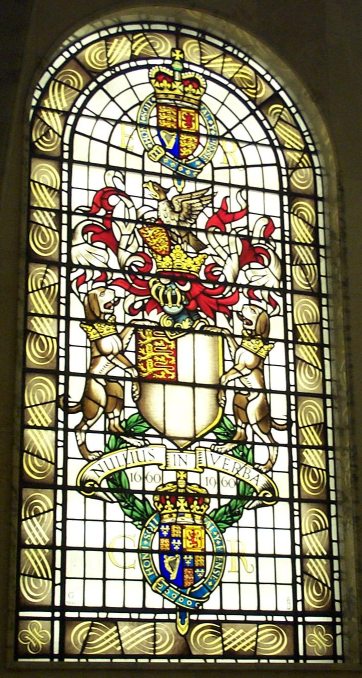
The Society began as an informal club of natural philosophers and experimenters who met to compare observations and carry out experiments after the English Restoration. It received royal endorsement in its early years and grew into a formal institution for science. Over the centuries it has been associated with many prominent figures in the history of science and with landmark developments in experimental methods and scientific communication.
Structure and membership
Membership is by election and includes leading scientists from a broad range of disciplines. Fellows contribute to the Society's governance and activities. The organisation maintains committees, awards and programmes that support careers, international partnerships and interdisciplinary work.
Activities and publications
The Royal Society publishes peer-reviewed journals and reports that disseminate research and review scientific evidence. It awards medals and fellowships to recognise achievement and provides independent scientific advice to government and other bodies. It also runs outreach and education programmes designed to improve public understanding of science.
Notable functions and impact
- Publishing influential journals that have helped establish modern scientific communication — a longstanding example of organized peer review.
- Awards and prizes that recognise research excellence and encourage new work.
- Policy reports and expert committees that inform public decisions on health, environment and technology.
For further information about current fellowship, publications and history, see the Society's main pages: The Royal Society, resources on scientific publishing and outreach, and historical context tied to its early royal patronage under Charles II.
The Royal Society remains a reference point for the values of empirical inquiry and collective evaluation of evidence, continuing to adapt its role as science and society evolve.
Related articles
Author
AlegsaOnline.com The Royal Society: Britain's Academy for the Natural Sciences Leandro Alegsa
URL: https://en.alegsaonline.com/art/98763
Sources
- royalsociety.org : "Prince of Wales opens Royal Society's refurbished building"
- royalsociety.org : "'Nullius in verba'"
- tls.timesonline.co.uk : "The world's problem"
- royalsociety.org : The Royal Society website
- royalsociety.org : "Homes of the Society - Gresham College and Arundel House (1660-1710)"
- royalsociety.org : "Brief history of the Society"