
Burundi: overview, people, history, and economy
Concise encyclopedia overview of Burundi: location, geography, people and languages, historical background, economy, and notable facts about this small East African republic.
Overview: Burundi is a small, landlocked republic in the African Great Lakes region. It lies between Rwanda to the north, Tanzania to the east and south, and the Democratic Republic of the Congo across Lake Tanganyika to the west. The country occupies a compact area of highlands and lakeshore and is one of Africa's more densely populated states. For a quick reference to its placement on the continent see location and its regional setting in East Africa.
Image gallery
10 Images





Geography and climate
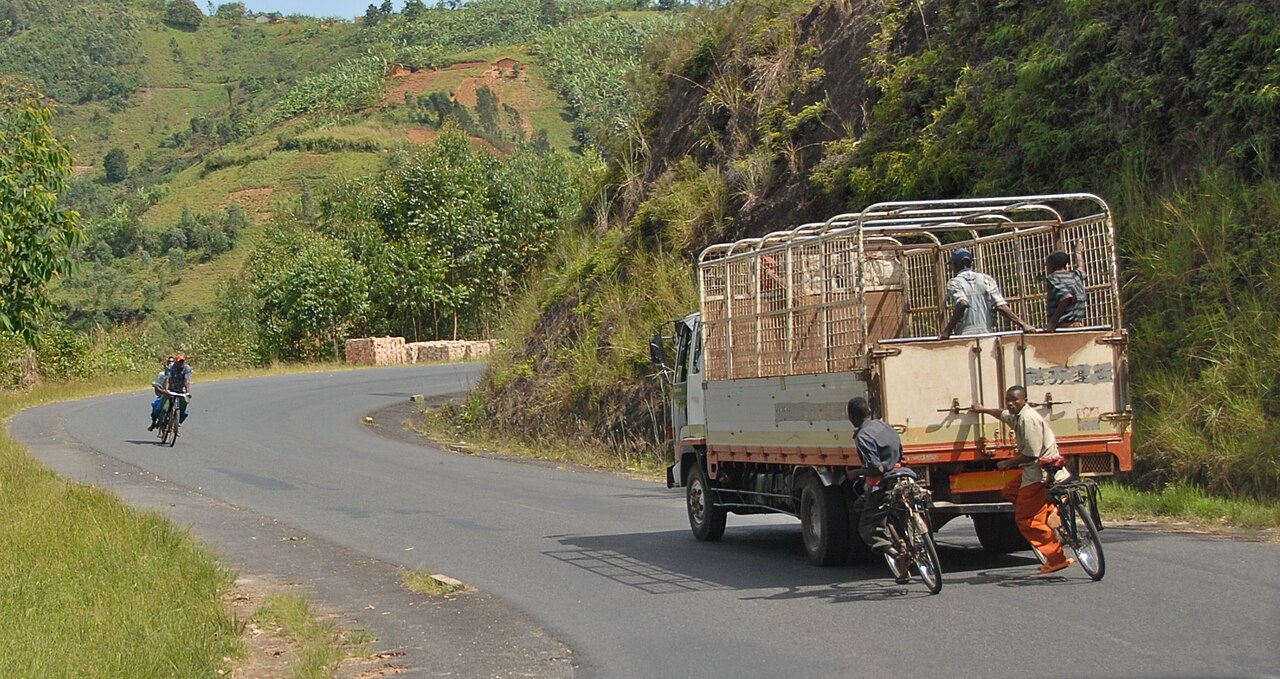
Burundi's landscape is dominated by undulating plateaus and a series of hills and valleys; elevations fall toward Lake Tanganyika on the western border. The climate is generally tropical but moderated by altitude, with distinct rainy and dry seasons. Fertile soils in some regions support agriculture, while steep slopes make land management and erosion control ongoing concerns.
People and languages
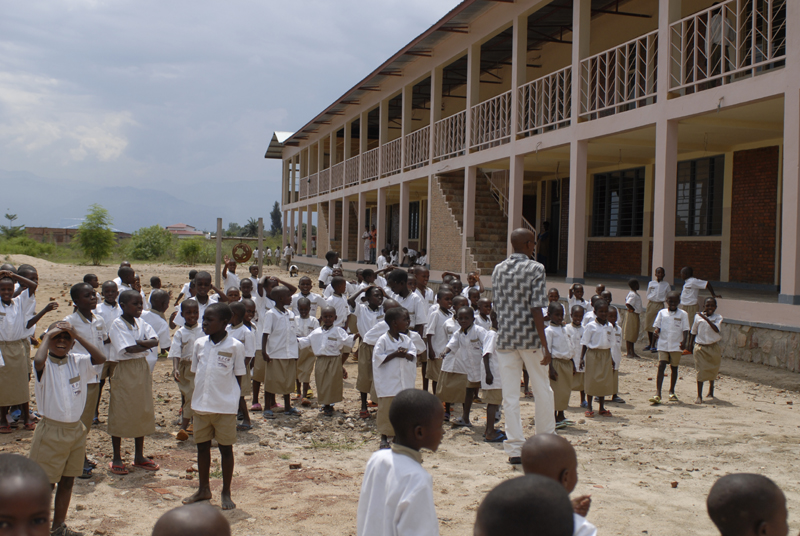
The population is concentrated in rural areas and depends heavily on subsistence farming. Ethnically the population includes Hutu, Tutsi and Twa communities; their relationships have shaped the country's modern history. The national language that unites most citizens is Kirundi. The constitution and public life also recognize other official or widely used tongues; see general notes on languages, and the roles of French and English in education and diplomacy.
History and politics
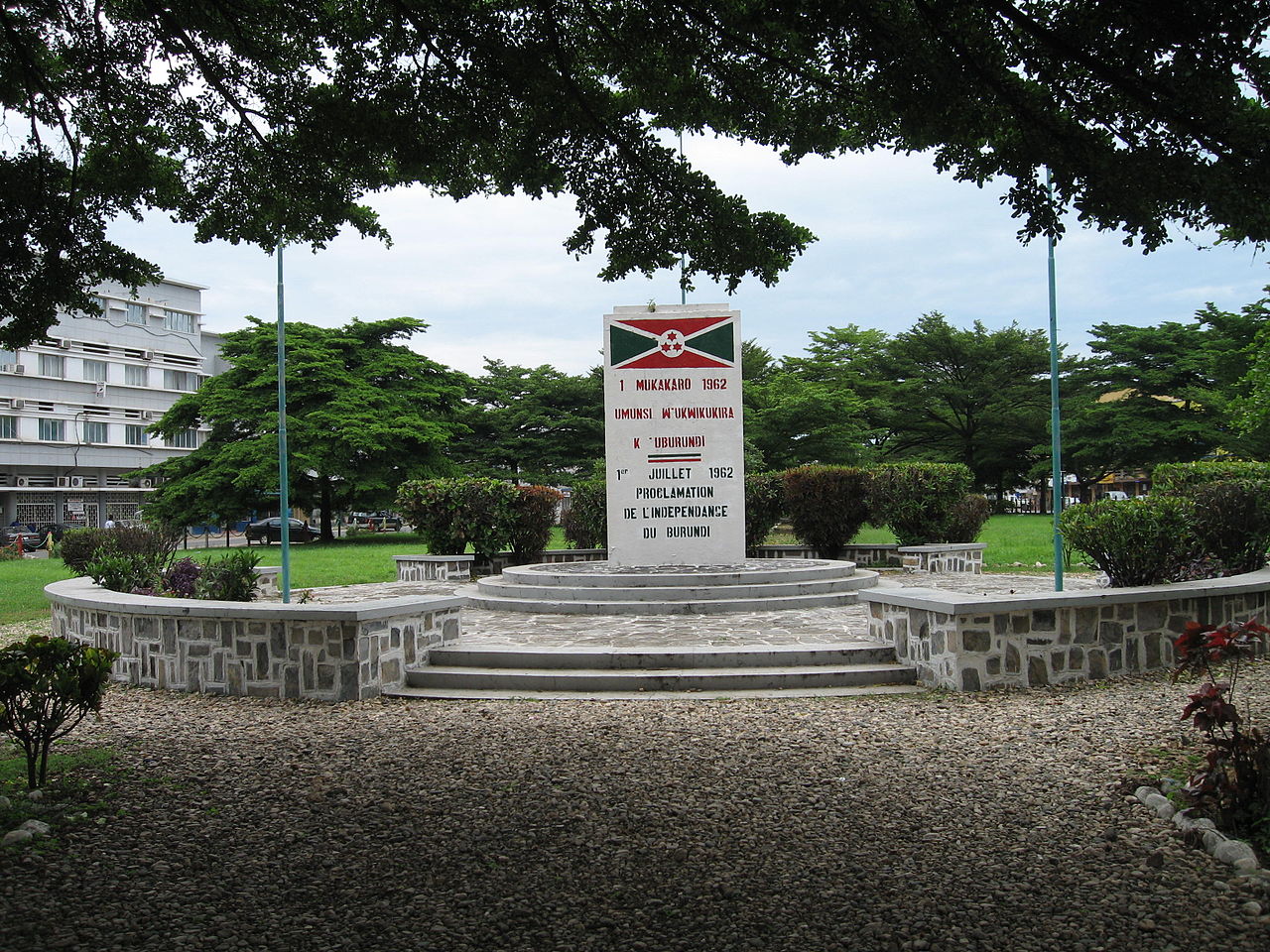
Burundi experienced precolonial kingdoms, then periods of German and Belgian colonial administration, before achieving independence in 1962. The post‑independence era has been marked by political instability and episodes of communal violence and civil war; power-sharing agreements and elections in the 21st century have aimed to stabilize governance. In 2019 the political capital was moved from Bujumbura to Gitega, which serves as the center for national institutions while Bujumbura remains an important economic hub.
Economy, society and environment
Burundi's economy is largely agrarian: coffee and tea are the main export crops, while most households rely on subsistence farming of maize, beans and bananas. The country faces significant development challenges including limited infrastructure, food insecurity, public health needs and constrained public revenues. At the same time, Burundi has rich cultural traditions, community resilience and initiatives aimed at conservation around lakes and forested slopes.
Quick facts and notable features
- Landlocked country on the eastern side of central Africa with Lake Tanganyika on its western edge.
- High population density relative to its size and a youthful demographic profile.
- Important natural and cultural heritage, alongside persistent development challenges.
The entries above offer a concise orientation to Burundi's geography, people, historical trajectory and contemporary concerns. For further general resources see links to maps, regional information on East Africa, details about the capital Gitega, and language references at languages, French and English.
Related articles
Author
AlegsaOnline.com Burundi: overview, people, history, and economy Leandro Alegsa
URL: https://en.alegsaonline.com/art/15555
Sources
- bbc.com : "Burundi profile"
- cia.gov : CIA – The World Factbook – Burundi
- presidence.bi : 3rd general census (2008)
- imf.org : "Burundi"
- cia.gov : "Distribution of family income – Gini index"
- gateway.nlm.nih.gov : Empowerment of people living with HIV/AIDS in Gitega Province, Burundi
- fao.org : Lake Victoria: A Case in International Cooperation