
Russian Orthodox Church Outside Russia (ROCOR)
An autonomous body of the Russian Orthodox tradition formed by émigrés after 1917, with parishes worldwide. Known for preserving pre‑revolutionary practice and maintaining ties with the Moscow Patriarchate.
Overview
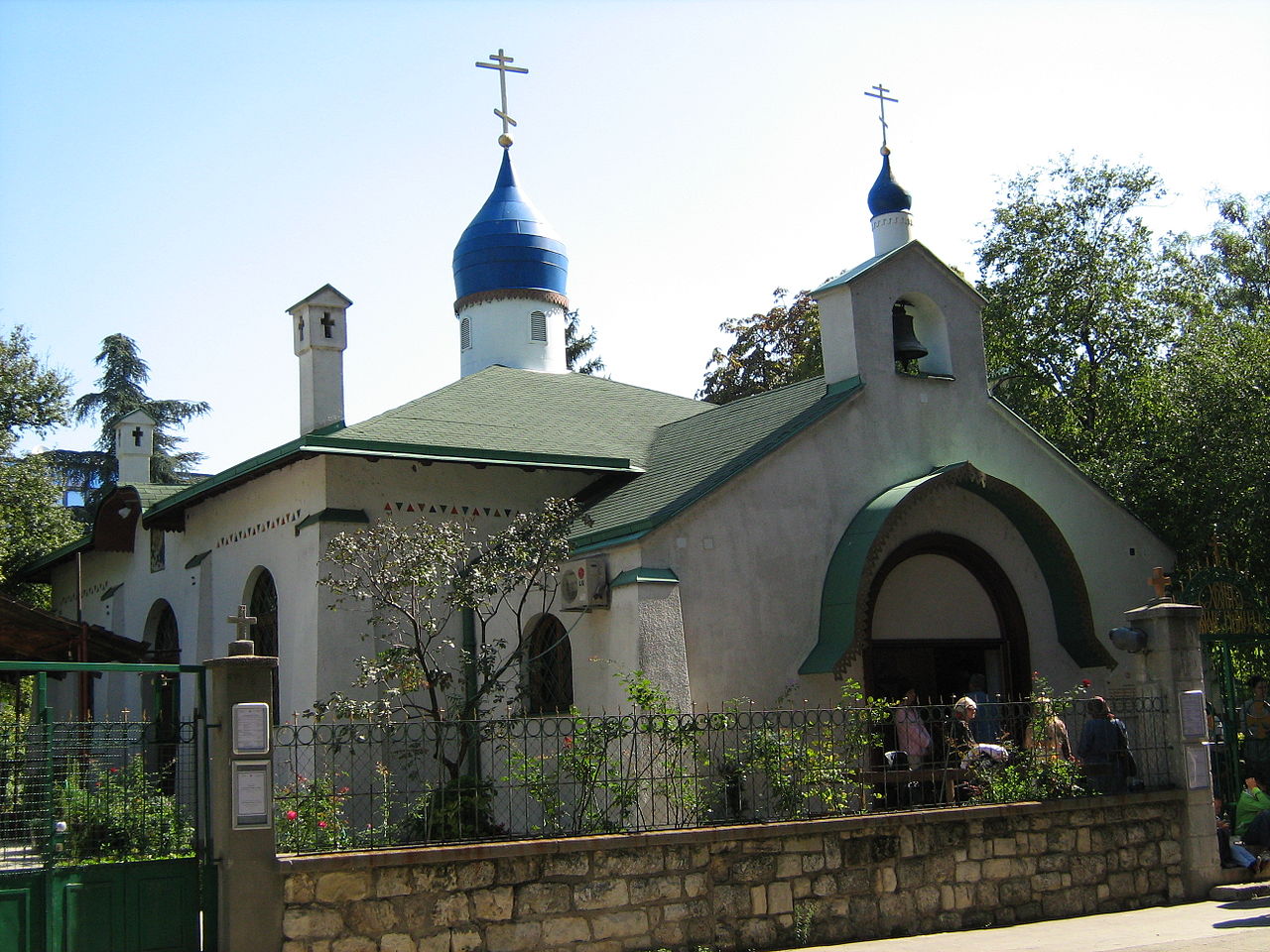
The Russian Orthodox Church Outside Russia, commonly abbreviated ROCOR and sometimes called the Russian Orthodox Church Abroad, is an ecclesiastical body of the Russian Orthodox tradition established among émigré communities after the upheavals of the early 20th century. Its Russian name is Ру́сская Правосла́вная Це́рковь Заграни́цей. ROCOR has maintained parishes, monasteries and institutions across North America, Europe, Australia and elsewhere, and is reported to have over 400 parishes with an estimated membership of more than 400,000 people.
Image gallery
5 Images


Organization and practices
ROCOR is governed by a Synod of Bishops and a First Hierarch; it preserves the hierarchical structure, sacramental life and liturgical calendar of the Russian Orthodox tradition. Typical components include dioceses and local parishes, monastic communities, seminary education and publishing activity. Communities affiliated with ROCOR place emphasis on traditional liturgical forms, the use of Church Slavonic in many services, and continuity with pre‑revolutionary Russian devotional and musical practices.
History and development
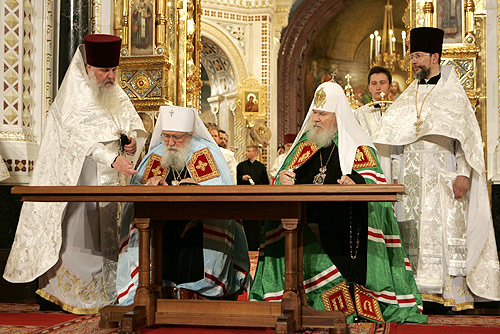
ROCOR emerged in the aftermath of the 1917 Russian revolutions and the ensuing civil war, when bishops, clergy and laity who had left Russia organized ecclesiastical structures abroad. For much of the 20th century it functioned independently of the church authorities remaining in Soviet Russia, citing concern about state interference. After decades of separate existence, formal relations with the Moscow Patriarchate evolved, and in the early 21st century ROCOR and the Russian Orthodox Church reached an agreement to restore canonical communion while retaining ROCOR's internal administration.
Role, activities and significance
Beyond parish worship, ROCOR is active in pastoral care for diaspora communities, theological education, publishing of liturgical texts and icons, and charitable programs. It operates seminaries and monastic centers that serve both local faithful and students from abroad. These institutions have played a part in preserving Russian liturgical music, iconographic styles and pastoral customs among emigrant generations.
Distinctive features and contemporary issues
- Distinctive identity rooted in émigré history and commitment to traditional practice.
- Global presence concentrated where Russian and Slavic émigré populations settled.
- Complex canonical relationship with the Moscow Patriarchate, formalized in recent decades; the arrangement has been welcomed by many but questioned by some who preferred continued separation.
For general context about the wider church to which ROCOR relates, see the entry on the Russian Orthodox Church.
Related articles
Author
AlegsaOnline.com Russian Orthodox Church Outside Russia (ROCOR) Leandro Alegsa
URL: https://en.alegsaonline.com/art/84838
Sources
- chron.com : "Russian Orthodox Church ends 80-year split"