
Roman Shukhevych — Ukrainian Insurgent Army leader and controversial historical figure
Biography of Roman Shukhevych, commander in the Ukrainian Insurgent Army, his roles in WWII and the postwar insurgency, and the debates over collaboration, responsibility for wartime violence, and his legacy.
Overview
Roman-Taras Yosypovych Shukhevych (30 June 1907 – 5 March 1950) was a Ukrainian military and political leader best known as a commander of the Ukrainian Insurgent Army (UPA). He was an active member of the Organization of Ukrainian Nationalists (OUN) and served in various commands during World War II and the postwar anti-Soviet resistance. His life and legacy remain strongly debated inside and outside Ukraine.
Image gallery
8 Images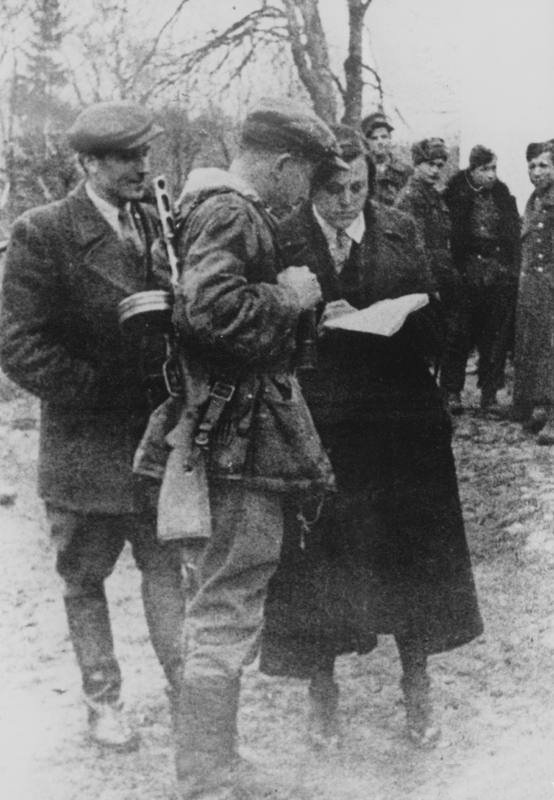


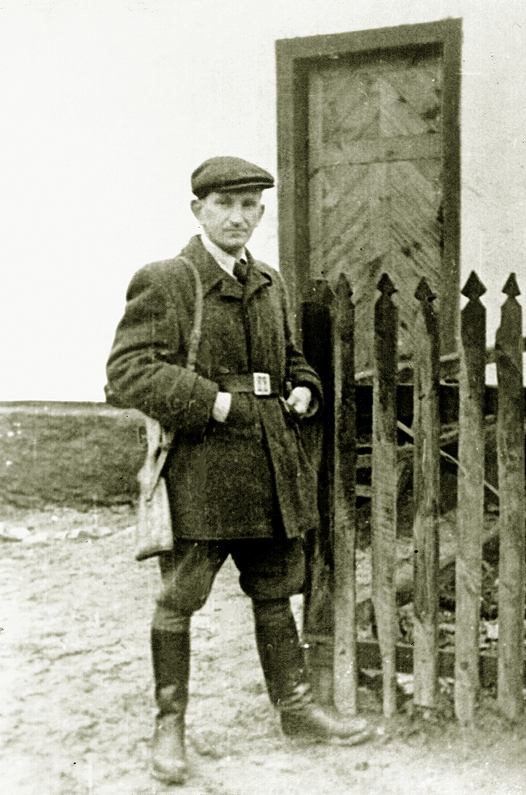
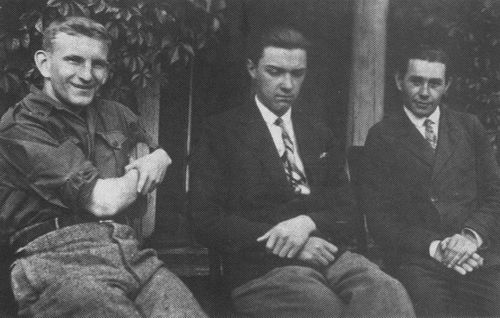

Early life and military career
Born in the Austro-Hungarian region that later became part of Poland and then Ukraine, Shukhevych trained in military and paramilitary organizations associated with Ukrainian nationalist movements. During the early phase of World War II he became connected with formations that cooperated, temporarily and controversially, with German forces. He is recorded as the Ukrainian-side commander of the Nachtigall Battalion (1941–1942), a unit that operated under German command during the invasion of the Soviet Union.
Leadership of the UPA and the Ukrainian Supreme Liberation Council
After reorganizations within Ukrainian nationalist ranks, Shukhevych rose to senior leadership of the UPA, the armed wing created to fight for Ukrainian independence against Soviet and, in practice, other occupying powers. From 1943 until his death in 1950 he held prominent positions within the movement, including chairing the General Secretariat of the Ukrainian Supreme Liberation Council (UHVR). During this period the UPA carried out guerrilla warfare against Soviet authorities and also clashed with Polish units and other local groups.
Controversies and historical debate
Shukhevych's role is contested. Many historians and several governments have held the UPA and some of its commanders responsible for attacks on civilians, particularly Polish communities in Volhynia and Eastern Galicia during 1943–1944. Critics argue that he bears command responsibility for actions that amounted to ethnic cleansing. Supporters emphasize his goal of Ukrainian independence, the chaotic wartime context, and point to his later fight against Soviet rule. There are also allegations and debates about collaboration with Nazi German forces in the war's early years; assessments differ on motives and degree of cooperation.
Death and official recognition
In March 1950 Shukhevych was killed during a Soviet security operation in Lviv. Decades later he became a symbol for some Ukrainian nationalists. In 2007 President Viktor Yushchenko posthumously awarded him the title Hero of Ukraine, a decision that provoked protests and criticism from Poland, Jewish organizations, and others who viewed the move as overlooking or minimizing wartime crimes. The award, and broader commemoration of figures connected to the OUN-UPA, continue to stir debate about memory, responsibility, and national identity.
Key facts
- Full name: Roman-Taras Yosypovych Shukhevych; Ukrainian-language name often cited as Роман Йосипович Шухевич.
- Also known by the nom de guerre Taras Chuprynka.
- Associated organizations include the Ukrainian Insurgent Army and the Organization of Ukrainian Nationalists.
- Posthumous recognition: awarded the title Hero of Ukraine by President Yushchenko; see reactions and controversy linked to that decision.
Because of the contested nature of many wartime events, readers are encouraged to consult multiple scholarly sources and archival materials when researching Shukhevych's life and the broader history of the region during World War II and its aftermath.
Questions and answers
Q: Who was Roman Shukhevych?
A: Roman-Taras Yosypovych Shukhevych was a Ukrainian politician, military leader, and general of the Ukrainian Insurgent Army (UPA).
Q: Was he a member of any political group?
A: Yes. He was a member of the Organization of Ukrainian Nationalists.
Q: What was his role during World War II?
A: Shukhevych was the commander of the Nachtigall Battalion from the Ukrainian side during the war.
Q: Did he hold any official position in the Ukrainian Supreme Liberation Council?
A: Yes. He was the Chairman of the General Secretariat from 1943 to 1950.
Q: When was Shukhevych born and when did he die?
A: He was born on June 30, 1907, and died on March 5, 1950.
Q: Was Shukhevych given any posthumous recognition?
A: Yes. He was posthumously awarded the title of Hero of Ukraine by President Viktor Yushchenko.
Q: Did Roman Shukhevych have any other name by which he was known?
A: Yes. He was also known by his pseudonym Taras Chuprynka.
Related articles
Author
AlegsaOnline.com Roman Shukhevych — Ukrainian Insurgent Army leader and controversial historical figure Leandro Alegsa
URL: https://en.alegsaonline.com/art/83869
Sources
- kyivpost.com : Roman Shukhevych honored as a national hero on anniversary