
Romanos IV Diogenes — Byzantine emperor (1068–1071)
Romanos IV Diogenes was a Byzantine military aristocrat who became emperor by marriage, campaigned against the Seljuk Turks and suffered a decisive defeat at the Battle of Manzikert, after which he was deposed and blinded.
Romanos IV Diogenes rose from the empire's Anatolian military elite to occupy the imperial throne in the late 11th century. His brief reign is most often remembered for efforts to restore the combat power of the Byzantine field armies and for the campaign that culminated in the catastrophic defeat at Manzikert. He ruled in a period marked by military pressure on the eastern frontier and intense domestic factionalism at Constantinople.
Background and character: Romanos belonged to the landed military aristocracy that provided many of the empire's provincial commanders. As emperor he was energetic and personally involved in military affairs, seeking to revitalize frontier garrisons, reassert control over Anatolia and reorganize forces reduced by earlier neglect. His resources were limited by the empire's fiscal strains and by powerful noble families who opposed strong centralized control.
Accession and policies: He became emperor through marriage to the widowed empress Eudokia Makrembolitissa, who had been acting as regent after the death of her husband. That union gave him an instant claim to rule but also obliged him to work within an unstable court environment dominated by rival aristocratic interests. Romanos concentrated on the military threat from the east, recruiting troops, employing mercenaries, and campaigning to check incursions by various Turkish groups operating in Anatolia.
Campaigns and Manzikert: In the face of growing incursions by Seljuk and other Turkish forces, Romanos led a major field army into eastern Anatolia in an attempt to reassert imperial authority. His operations brought him into contact with Sultan Alp Arslan. The campaign ended in a confrontation that is known as the Battle of Manzikert, where Romanos's forces were defeated and the emperor himself taken prisoner. The clash exposed weaknesses in Byzantine command, logistics and internal cohesion as much as it illustrated the military skill of the Seljuk commanders. Romanos was treated with a measure of courtesy during his captivity and terms were negotiated for his release.
Downfall and death: While Romanos remained a captive, his political opponents at Constantinople moved to depose him and restore the Doukas family to power. After his return to imperial territory he attempted to recover his position but was intercepted, defeated and detained by rival factions. As was common in Byzantine politics, he was blinded to remove him from power and sent into monastic confinement; he soon died from his wounds and the harsh conditions of his imprisonment.
Image gallery
5 Images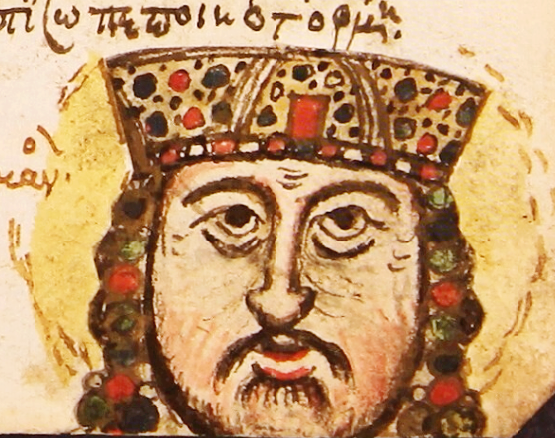


Legacy and significance
Romanos IV is a pivotal figure because the defeat that ended his reign opened the way for accelerated Turkish penetration of Anatolia and prompted major shifts in Byzantine military and political strategy. His efforts illustrate the limits faced by field emperors who depended on both provincial armies and fragile court coalitions. Historians continue to debate his military competence versus the structural problems of the empire that made recovery difficult.
Key events
- Accession by marriage to Empress Eudokia and assumption of imperial duties.
- Military attempts to restore order in Anatolia and resist Turkish forces.
- Defeat and capture at Manzikert, followed by negotiated release.
- Deposition, blinding and death after being overtaken by rival aristocratic factions.
Romanos's career highlights the intertwined nature of military command and court politics in the Byzantine world, and the consequences that battlefield outcomes could have for the political future of the empire.
Related articles
Author
AlegsaOnline.com Romanos IV Diogenes — Byzantine emperor (1068–1071) Leandro Alegsa
URL: https://en.alegsaonline.com/art/83917